Homeowner Says Her Neighbor Turned the Backyard Into a Growing Mountain of Household Junk, Then the Garden Became Everyone’s Problem
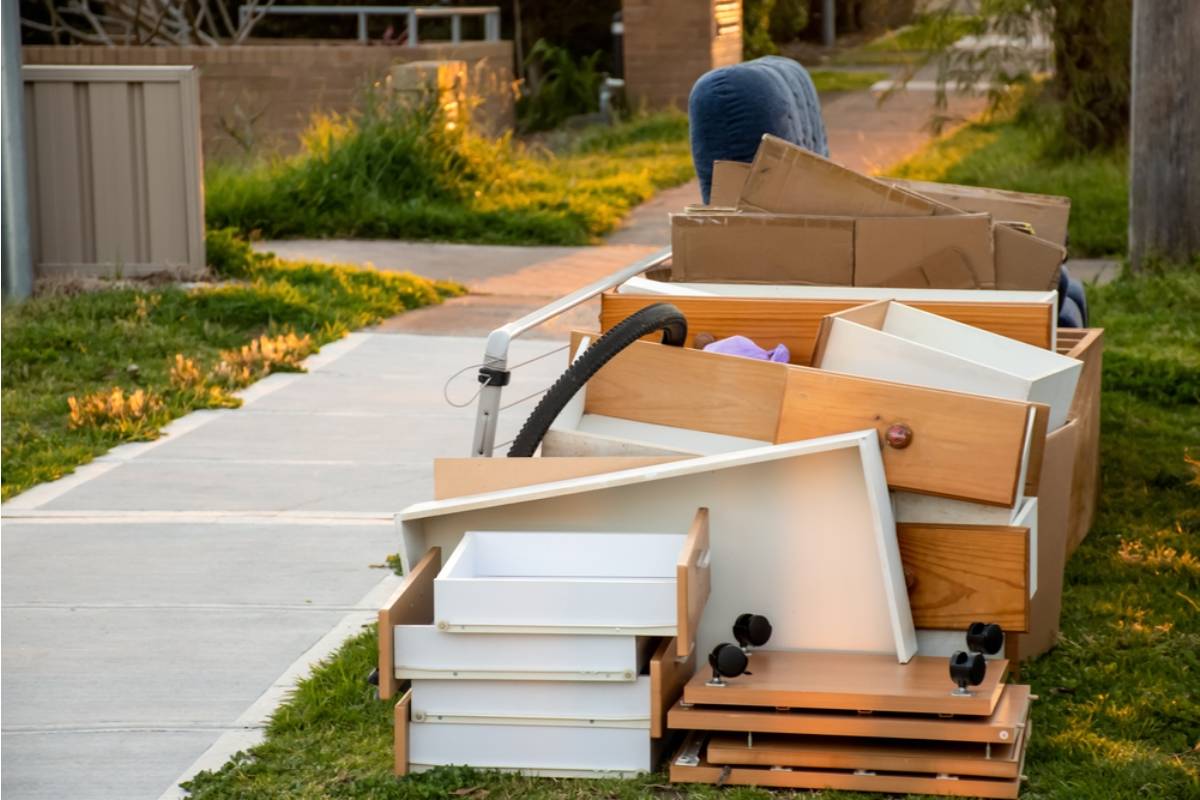
A person shared his story about a neighboring backyard that had gradually stopped looking like a garden at all. What began as a few leftover cardboard boxes and black rubbish bags eventually became a sprawling pile of household belongings, bedframes, and assorted clutter. From the windows overlooking the garden, he could watch the collection grow week after week without seeing much evidence of anything being removed.
At first, the sight was more strange than troublesome. The garden still belonged to the neighbor, and nobody wanted to become the person policing another adult’s yard. But as the months passed, the clutter began to look less like temporary storage and more like a permanent outdoor warehouse.
It Started After a House Clearance
The transformation apparently began after the neighbor carried out a house clearance. Boxes, bags, furniture pieces, and other unwanted household items were moved outside, presumably with the intention of dealing with them later. The problem was that “later” seemed to stretch into an entire season.
A person watching from nearby noticed that the garden did not slowly become emptier as expected. Instead, the piles appeared to gain new layers, almost as though every trip to the house ended with another bag joining the collection. What looked like a short-term mess was quietly turning into a much bigger problem.
The Cardboard Became Part of the Landscape
As winter arrived, the cardboard began to lose its battle with the weather. Rain softened it, wind moved it around, and the neat edges disappeared beneath damp leaves and general garden debris. Instead of looking temporary, the rubbish started becoming part of the landscape itself.
The transformation was strangely complete. A garden that should have contained flowers, shrubs, soil, and perhaps a shed now featured cardboard as one of its most noticeable garden decorations. From the neighboring windows, it was becoming difficult to remember what the yard had looked like before the clutter arrived.
Then the Black Bags Took Over
The cardboard would have been bad enough, but the black rubbish bags made the situation feel much more serious. There were reportedly around twenty bags sitting in the garden, alongside old household items and bedframes. Each bag added another piece to what was beginning to resemble an unofficial dumping ground.
The worrying part was not simply the number of bags. It was the complete lack of movement, because rubbish tends to become more troublesome the longer it stays outside. A pile sitting untouched for days is frustrating, but a pile sitting untouched for months starts inviting a whole collection of different problems.
The Green Bin Raised Eyebrows
Another detail caught the neighbor’s attention when the green waste bin was reportedly filled with food waste. That was an especially unpleasant combination beside bags of household rubbish and damp cardboard. What looked like a garden storage problem suddenly had the potential to become something much more attractive to unwanted visitors.
A garden can recover from neglect surprisingly well, but food waste mixed into an already neglected area changes the picture. The smell, insects, rodents, and general deterioration can turn an ugly garden into a genuine neighborhood nuisance. Suddenly, the issue was no longer just about someone having poor taste in outdoor storage.
Christmas Was Approaching
Then came another concern: Christmas. With the holidays approaching, the neighbor expected even more rubbish to be produced, meaning the existing mountain could become even larger. It was not difficult to imagine wrapping paper, boxes, food packaging, and unwanted gifts joining the growing collection.
That possibility made the timing feel particularly frustrating. The garden had already survived months without clearing, and there was now a major holiday sitting directly on the calendar. A person looking over the fence could almost picture the rubbish pile receiving its own Christmas expansion pack.
Other Neighbors Had Started Noticing
The clutter was no longer something only the immediate neighbor had noticed. Another resident was trying to sell a property nearby, and prospective buyers had apparently seen the neighboring garden while viewing the house. Their reaction was surprisingly blunt because several people asked why the garden appeared to contain what looked like a fly-tipping site.
That detail changed the story because now the messy garden was affecting how outsiders viewed the wider area. A neglected patch behind one property can suddenly become part of the conversation surrounding other homes. The garden had stopped being merely an eyesore and had started creating an awkward reputation for the neighborhood.
There Was Already a History of Friction
The person sharing the story also explained that this was not the first issue involving the neighbor. The two households shared a driveway, and there had previously been complaints involving screws, cigarette butts, and inconsiderate parking. None of those incidents alone seemed serious enough to start a neighborhood war.
There had also been concern about a vehicle allegedly being driven for months without the proper paperwork. Those earlier experiences mattered because they helped explain why the homeowner was reluctant to knock on the door and start another conversation. When someone already feels that repeated problems have been ignored, even a simple chat can feel like opening a very old gardening shed and discovering another surprise inside.
The Direct Conversation Never Happened
Instead of confronting the neighbor again, the homeowner decided to contact the local council. The decision was partly practical because the council had the authority to deal with waste issues, while the neighbor had already demonstrated that the rubbish could remain untouched for a long time. The household waste site was reportedly only a short drive away, making the situation even harder to understand.
A person could reasonably wonder why such a simple task had become such a long-running saga. The rubbish did not need a complicated garden redesign or specialist landscaping team. It simply needed to leave the garden, yet somehow every week seemed to produce another reason for it to remain exactly where it was.
Was Reporting It Too Petty?
That was the question hanging over the entire situation. The homeowner openly wondered whether reporting the garden was petty, especially because the clutter was not causing enormous problems at that exact moment. There is always a strange line between ignoring someone else’s choices and protecting your own home from a problem that could eventually spread.
One response from a person argued that there was no need to feel guilty because some people simply do not care about the condition of their surroundings. From that perspective, contacting the council was not revenge but a way of dealing with a situation that had already been allowed to continue for far too long. The longer the rubbish remained, the harder it became to describe it as temporary.
Some People Suggested a More Dramatic Approach
A different response from a person suggested mentioning rats to the council, especially if rodents had genuinely become a concern. The suggestion was clearly designed to emphasize the potential consequences of leaving household waste and food waste sitting outside for months. It also reflected how quickly a messy-garden story can move from irritating to genuinely unpleasant.
Still, there was an important difference between reporting a real concern and inventing one. A garden full of old bags and organic waste can create reasonable grounds for concern without anyone needing to make up dramatic details. Sometimes the truth is already messy enough, especially when the rubbish has had several months to become thoroughly established.
The Landlord Question Complicated Everything
At one point, there was speculation that the property might be a council home, which would have made the situation easier to address through rental rules. A response from a person explained that council tenants can have obligations concerning garden upkeep and that local authorities may require a neglected area to be cleared. The homeowner then revealed that the property was actually a private rental.
That small detail changed the route forward. Suddenly, the question became less about tenancy rules and more about waste enforcement, environmental concerns, and whatever responsibility might fall on the property owner. The mystery was no longer simply why the neighbor had not cleaned the garden, but how many people might eventually become involved in getting it cleaned.
The Garden Was Becoming More Than an Eyesore
By this stage, the neglected backyard had taken on a life of its own. The cardboard was breaking down, the bags were multiplying, food waste was sitting outside, and bedframes were mixed into the collection. What had started as a house-clearance aftermath now looked like a slow-motion garden transformation nobody had requested.
There was also the growing concern that winter would make everything worse. Wet cardboard becomes heavier, soggier, and far less manageable, while household waste left outside can become increasingly unpleasant. A garden can be forgiven for looking untidy after a storm, but months of accumulated rubbish tell an entirely different story.
The Real Twist Was How Long It Lasted
The strangest part of the story was not that someone had a messy garden. People have busy lives, difficult circumstances, and unfinished projects, and gardens can become chaotic for perfectly ordinary reasons. The twist was that the rubbish apparently remained there for months while continuing to grow rather than shrink.
That persistence turned a temporary problem into a neighborhood mystery. Every passing week created the same question: surely the next week would be the week when the garden finally began to clear. Instead, the piles remained, quietly proving that “I’ll deal with it later” can become surprisingly permanent when later never arrives.
The Neighbor Had Created a Garden Nobody Wanted
For everyone looking from the outside, the garden had become a warning about how quickly neglected clutter can dominate an outdoor space. The original purpose of the yard had been completely swallowed by cardboard, rubbish bags, furniture, and food waste. There was no vegetable bed, flower border, or welcoming patch of lawn capable of competing with the pile.
In the end, the homeowner’s frustration was understandable because the problem was no longer invisible. Other residents had noticed it, prospective buyers had asked about it, and the approaching holiday season threatened to make it even larger. The garden had become the unexpected centerpiece of the neighborhood story, and the biggest surprise was that nobody knew exactly when the cleanup would finally begin.