Homeowner Says Her Neighbors Let Their Grass Grow Wild and Furniture Pile Up, Then a Sudden Mouse Problem Made Her Rethink Staying Out of Their Yard
A person shared his story about a neighboring property that had slowly become the one yard nobody wanted to look at for too long. The grass kept getting taller, broken furniture appeared around the house, and outdoor clutter seemed to multiply instead of disappear. At first, the situation was simply an eyesore, but eventually something happened that made the homeowner wonder whether ignoring the mess was still the peaceful option.
It Started With a Yard That Slowly Got Out of Hand
The neighboring lawn had not always looked neglected, but over time the grass became noticeably taller and the outside of the property began collecting more clutter. Old furniture sat around the deck and exterior of the house, giving the entire place a strangely unfinished appearance. Each week, instead of seeing the yard return to normal, the homeowner saw another reminder that the cleanup was not happening.
The couple did not live under an HOA, so there was no neighborhood rulebook dictating exactly how the property should look. Still, they lived inside city limits, where local rules could apply to overgrown vegetation and outdoor debris. That left them wondering whether this was simply a difference in gardening standards or something that had crossed into a city-maintenance issue.
The Grass Became Impossible to Ignore
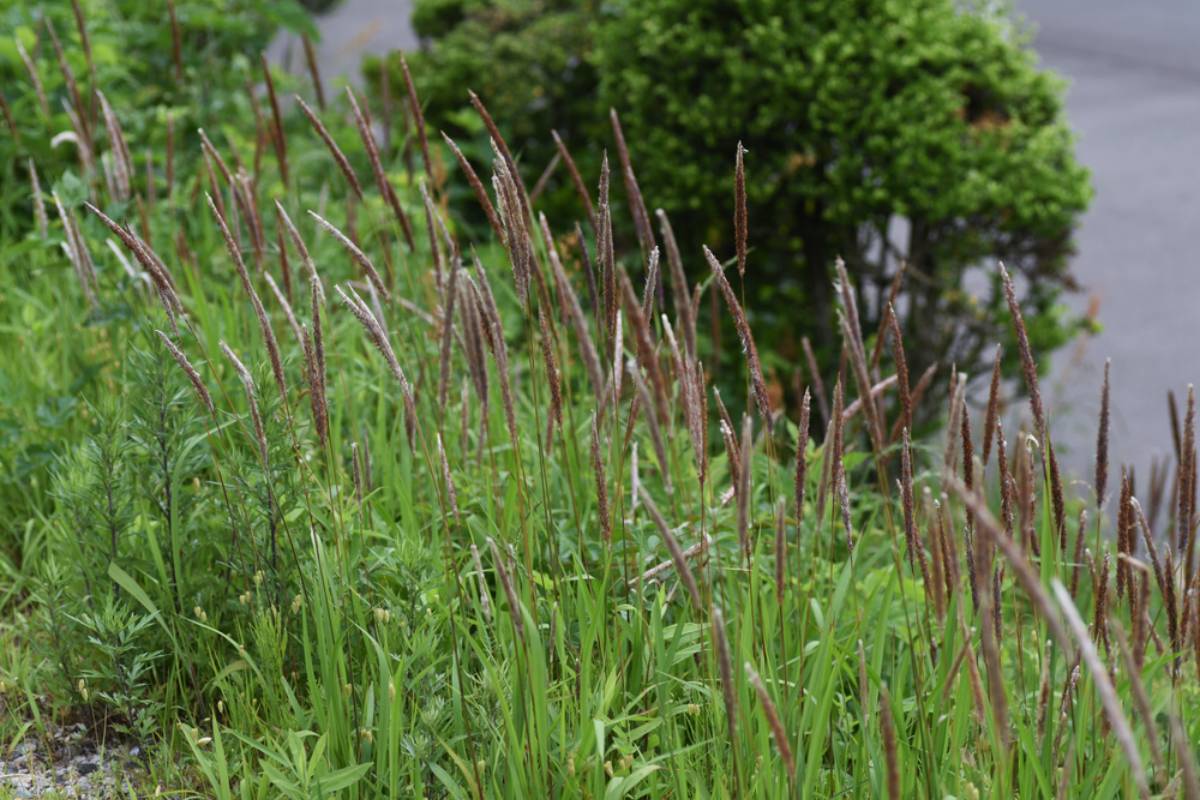
The biggest problem was the lawn itself, which continued growing while neighboring yards were being regularly trimmed. From the homeowner’s perspective, the contrast became increasingly difficult to ignore whenever they looked toward the property line. A neat garden next to an increasingly wild lawn can make even a small amount of neglect seem much more dramatic.
Yet there was another side to the story. One response from a person pointed out that not everyone considers a perfectly mowed lawn desirable, especially when grass, clover, and other plants can provide habitat for pollinators. Suddenly, the question was no longer simply whether the yard looked messy, but whether the homeowner and the neighbors had completely different ideas about what a healthy yard should look like.
The Furniture Added a Whole New Layer
Then there was the furniture. Broken and unwanted pieces had started appearing around the outside of the house, including a couch that remained outside for months. It was the kind of object that made the property look less like a garden and more like someone had temporarily forgotten to finish moving out.
The homeowner was careful about sharing too much about the neighbors’ private space, but the outdoor couch was enough to illustrate the problem. A response from a person even wondered whether the furniture was somehow supposed to be hidden behind another object. Whatever the explanation, nobody seemed to know when it was going to leave.
The Couple Had Already Offered to Help
The situation was not simply a case of neighbors complaining from a distance. The couple had actually offered to help when the yard first became seriously overgrown, including offering to mow the grass. They had also told the neighbors they could use their haul-away service while they were working on their own home.
The neighbors declined and said they would handle the work themselves. The husband was apparently the sort of neighbor who regularly helped others with their yards, so the offer was not made as a passive-aggressive hint. That made the growing mess more frustrating because the door had been opened for an easy solution.
They Had Even Helped Another Neighbor
The couple’s willingness to help was not limited to this particular property. They had also been mowing the lawn of an older neighbor during the hot summer months so she would not have to work outside in the heat. Helping someone who needed assistance was clearly not something they considered a burden.
That made the situation next door feel different. The neighbors appeared able to handle their own yard, had working lawn equipment, and repeatedly declined offers of help. The homeowner was therefore left watching the grass grow while knowing that the simplest solution had already been offered.
Then the Property Started Attracting Attention
Eventually, the homeowner began worrying about more than appearances. There was an increase in mice around the area, and the family already had a crawlspace where rodents could potentially become a serious nuisance. With three dogs at home, the possibility of diseased rodents wandering into the yard added another layer of concern.
That changed the tone of the entire situation. A messy garden can be annoying, but pests crossing property lines are much harder to treat as someone else’s business. Suddenly, the tall grass and piles of outdoor clutter were being viewed through a different lens.
The Mouse Problem Changed the Question
The homeowner had already placed a bait station outside because of the mouse problem, but there was an obvious concern about keeping pets safe. Dogs do not need much encouragement to investigate something interesting in the yard, and a sick or poisoned rodent could create its own danger. The neglected property next door therefore felt less like a visual annoyance and more like a possible source of trouble.
One response from a person suggested considering mechanical traps because of the risks associated with poisoned rodents being eaten by pets or wildlife. The discussion highlighted how quickly a simple lawn dispute can become complicated when animals, pests, and neighboring properties are involved. What began with grass height was now turning into a question about what was actually happening around the two homes.
Not Everyone Thought the Yard Was a Problem
Then came an unexpected twist. A person who saw the situation differently explained that some people deliberately allow parts of their lawns to grow because they want clover and other plants that support pollinators. From that perspective, a yard full of green growth is not necessarily neglected at all.
That idea made the homeowner’s situation harder to categorize. A wild-looking garden can be intentional, accidental, environmentally motivated, or simply overdue for a haircut. Without knowing the neighbors’ intentions, it was impossible to tell exactly which story was unfolding next door.
The Junk Was Harder to Explain
The furniture was another matter entirely. While a lawn can have ecological reasons for looking less manicured, an old couch sitting outside for months is considerably harder to interpret as a gardening choice. It became the part of the property that seemed to raise the most questions.
A response from a person who saw an image of the yard agreed that the furniture was unusual but wondered whether there might be a reason for it. The homeowner did not know either. That uncertainty became part of the frustration because there was no obvious explanation for why something so conspicuous had simply remained there.
The City Became the Next Possible Step
Once the grass and clutter appeared to be continuing indefinitely, the possibility of contacting the city entered the conversation. Some people pointed out that municipalities often have rules concerning excessive grass height and accumulated outdoor debris. Those rules can vary significantly depending on the location, so the existence of a potential violation would need to be checked locally.
Other people suggested staying out of it unless the situation actually caused a problem. Their concern was that involving city officials could turn an ordinary neighbor disagreement into a much larger conflict. The homeowner now had two competing choices: preserve the peace or find out whether the property had crossed a legal maintenance line.
The Property Value Worry Added More Pressure
There was also a financial reason behind the concern. The homeowner and her husband were in the middle of moving a home-equity loan into a mortgage, and she was worried that the condition of the neighboring property could affect the appraisal. That made the messy yard feel more important than it might have under ordinary circumstances.
A response from a person pushed back on that assumption, explaining that appraisals generally rely on comparable properties rather than simply judging a home’s value by the appearance of the neighbor’s lawn. That did not necessarily eliminate the homeowner’s concern, but it introduced an important distinction. What looks terrible from a kitchen window is not automatically something that determines the financial value of the house next door.
Other Neighbors Had Their Own Solutions
People offered plenty of ideas for handling the situation without immediately escalating it. Some suggested simply continuing to maintain the homeowner’s own garden and letting the neighboring yard take care of itself. Others suggested making the homeowner’s own landscaping so attractive that the contrast became obvious without ever criticizing the neighbors.
One particularly playful response suggested proudly showing off a beautiful garden and asking the neighbors for gardening suggestions without ever mentioning their own yard. The idea was to create an almost absurdly polite contrast. Instead of confronting the problem, the homeowner could simply grow flowers, improve the beds, and let the garden tell its own story.
But Some People Had Seen This Before
Several people described similar situations where neglected lawns eventually became serious enough to attract pests, vines, or city enforcement. One person shared a story about vegetation growing into an air-conditioning unit and siding after months of neglect. Eventually, a city complaint led to warnings and apparently encouraged the property owner to start keeping the vegetation under control.
That story offered a possible middle ground. The homeowner did not necessarily have to make a formal complaint simply because the lawn looked bad, but there could be a stronger reason to act if vegetation or pests began affecting her own property. The line between an ugly garden and a genuine neighborhood problem was becoming clearer.
The Biggest Twist Was That Nobody Agreed on What “Neglected” Meant
Perhaps the strangest part of the entire situation was how differently people viewed the same yard. To one person, tall grass and clover could be valuable habitat for pollinators. To another, the exact same patch could look like an abandoned lawn that desperately needed mowing.
The furniture complicated things, but even that had an unknown explanation. The homeowner saw months of clutter and an increasingly untidy property, while outsiders could only guess what was happening behind the scenes. In the end, the yard became a reminder that gardening is often as much about personal priorities as it is about appearance.
The Garden Next Door Became a Lesson in Boundaries
For now, the homeowner had already done something many neighbors never bother to do: she offered help. The neighbors declined, which left the couple with the uncomfortable knowledge that they could not simply fix someone else’s property themselves. Even the husband’s willingness to mow the lawn could not overcome the fact that permission still belonged to the people who lived there.
That left one practical boundary standing between the two gardens. If the tall grass remained an eyesore, it might simply have to remain an eyesore, but if rodents, invasive growth, debris, or actual property damage crossed the line, the situation could become very different. Sometimes the hardest part of gardening next to someone else is accepting that their patch of green belongs to them.
For Now, the Grass Keeps Growing
The homeowner’s dilemma never produced a neat gardening victory where one side suddenly transformed the entire property. Instead, it ended with an uncomfortable question about how much responsibility one person should feel for the yard next door. The couple had offered assistance, helped other neighbors, and tried to keep the peace, but they could not force someone else to care about their garden in the same way.
And that may be the real twist in the story. The overgrown grass was never just about grass, the old couch was never just about furniture, and the mice made the whole situation considerably more complicated. Sometimes a neighborhood gardening dispute begins with an ugly lawn and ends by forcing everyone to decide exactly where their own garden ends and someone else’s begins.