Homeowner Says Her Sister-in-Law Offered to Help Can Vegetables From the Harvest, Then Took Half the Jars Home Without Asking
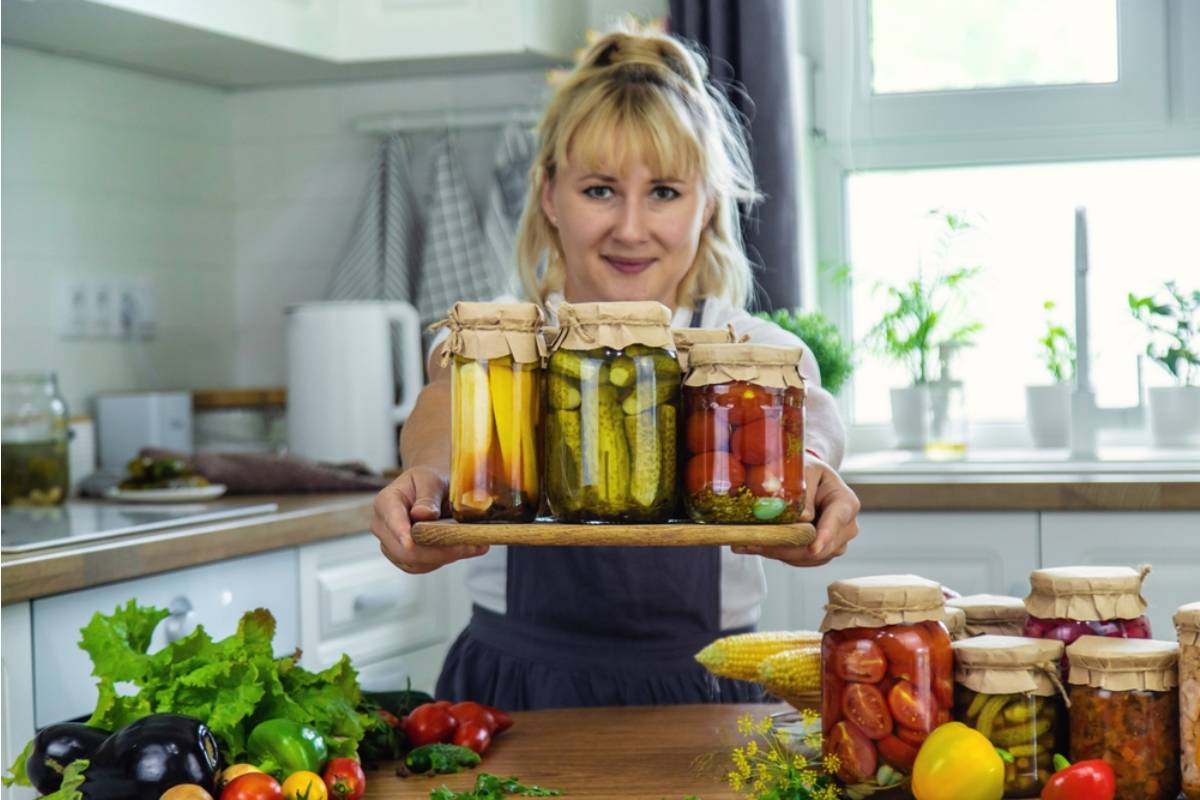
When Laura Bennett’s vegetable garden produced its biggest harvest yet, she spent an entire weekend washing, chopping, boiling, and sealing jars of tomatoes, peppers, green beans, and pickles.
Her sister-in-law, Denise, offered to help with the canning and seemed genuinely grateful to be included. Laura was surprised the next morning to discover that Denise had quietly packed nearly half of the finished jars into boxes and taken them home without asking.
The Garden Had Finally Paid Off
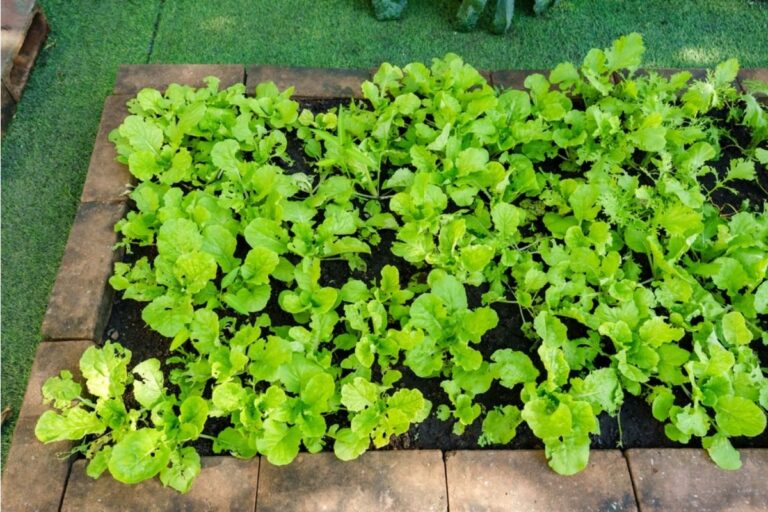
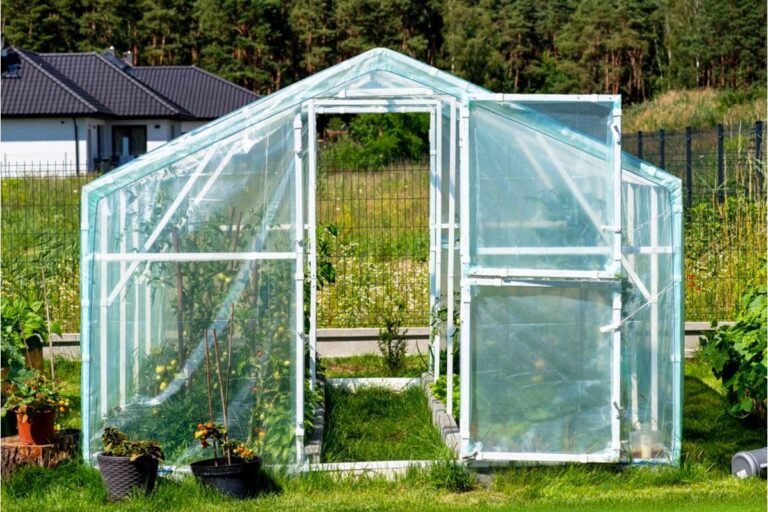
Laura had spent months tending the backyard garden behind her small home in Ohio. She had planted more tomatoes than usual, along with rows of green beans, cucumbers, sweet peppers, and zucchini because she wanted enough produce to preserve for the winter.
Her husband, Eric, joked that the garden had taken over the yard. Laura did not mind because she loved opening the pantry during January and seeing shelves filled with food she had grown herself. By late summer, however, the harvest had become so large that even her neighbors were receiving bags of vegetables.
Denise Offered to Help
Laura’s sister-in-law Denise arrived one Saturday carrying empty jars and a box of canning supplies. She had heard Laura complaining that she was falling behind and said, “I’ll stay as long as you need me.”
Laura was relieved because the tomatoes alone covered the kitchen counters. She explained that she wanted to keep most of the jars for her household but would gladly send Denise home with some vegetables once everything was finished.
The Kitchen Turned Into a Canning Line
The two women worked for hours without stopping for much more than coffee. Laura washed the tomatoes while Denise peeled them, and then they filled sterilized jars together while Eric carried boxes between the kitchen and basement.
By the afternoon, the counters were covered with sealed jars cooling beneath clean towels. Laura began writing labels that included the vegetable, recipe, and date because she had learned the hard way that unlabeled jars became impossible to identify months later.
Denise Started Packing Boxes
Laura noticed Denise moving finished jars toward the dining room. At first, she assumed Denise was simply making room on the kitchen counters, so she did not question it.
Then Denise began putting jars into cardboard boxes and stacking them near the back door. Laura asked what she was doing, and Denise replied, “I’m just organizing everything so we don’t knock them over.”
Laura nodded and went back to washing another batch of peppers.
The Conversation That Never Happened
Later, Denise mentioned that her family loved Laura’s tomato sauce. Laura smiled and said she could give her a few jars after they finished.
Denise responded, “That would be great,” and continued working. Laura understood that phrase as an agreement about a small share, not permission to take whatever she wanted from the pantry.
The Last Batch Was Finished
By evening, the final jars had been processed and left to cool. Laura was exhausted, but she felt satisfied looking at the rows of food covering the counters.
Denise hugged her before leaving and said, “We got a lot done today.” Laura thanked her for the help and began cleaning the kitchen while Denise carried several boxes outside.
The Pantry Looked Different
The next morning, Laura went downstairs to move the jars into their permanent storage area. She immediately noticed that one entire shelf looked strangely empty.
She counted the jars twice.
Nearly half of the tomato sauce was gone, along with several jars of pickled green beans and almost all of the spicy pepper relish. Laura stood in the pantry staring at the empty spaces, trying to remember whether she had moved them somewhere else.
Eric Asked What Happened
Eric came downstairs carrying a laundry basket and noticed Laura standing beside the shelves. She told him that she could not find several dozen jars.
Eric frowned.
“Did Denise take some upstairs?”
Laura nodded.
“I thought she took a few.”
Eric looked toward the empty shelves.
“That looks like more than a few.”
Laura counted again before answering.
“She took almost half.”
Denise Did Not See the Problem
Laura called Denise that afternoon.
“Hey, did you take a lot of the jars yesterday?”
Denise answered casually.
“Yes, I took the ones we put aside.”
Laura was silent.
“I didn’t put those aside for you.”
Denise paused.
“I thought we were splitting what we made.”
Laura felt her stomach tighten.
“I grew the vegetables, bought the jars, and paid for the ingredients.”
Denise replied, “And I spent all day helping you can them.”
The Argument Became Personal
Laura explained that she had never agreed to divide the finished food equally. She reminded Denise that she had specifically said she would give her some jars as a thank-you.
Denise became defensive and said Laura was making the situation sound worse than it was. “You have more food than you can possibly eat,” she said, which made Laura even more upset because the issue was not whether Laura had enough.
It was that Denise had taken something without asking.
Denise Returned With a Box
Two days later, Denise arrived at Laura’s house carrying one cardboard box. She placed it on the porch and said, “I brought some of it back.”
Laura opened the box and found twelve jars inside. She immediately recognized several labels, including tomato basil sauce and sweet pepper relish, but most of the missing jars were still gone.
“Where’s the rest?” Laura asked.
Denise crossed her arms.
“I kept some.”
Laura stared at her.
“You kept them after I told you I didn’t give you permission?”
The Family Heard About It
Eric’s mother heard about the disagreement and called Laura. She did not take sides immediately, but she asked exactly what had happened.
Laura explained that she had expected Denise to take a few jars as a thank-you, not an entire shelf of food. She also explained how much work had gone into growing the vegetables and preparing the jars.
Eric’s mother sighed.
“Denise thought she was being compensated for helping.”
Laura answered, “Then she should have asked what I was willing to give her.”
A Forgotten Text Changed the Situation
While reviewing their messages, Laura found an old text from Denise sent several days before the canning weekend. Denise had written, “I’ll help you get everything canned, and hopefully we’ll both have plenty for winter.”
Laura had interpreted it as a casual comment.
Denise apparently had not.
Laura showed the message to Eric, who admitted that the wording could have been misunderstood. But he also pointed out that nobody had discussed an actual division of the finished jars.
“She assumed,” he said.
Laura nodded.
“And then acted on the assumption.”
Denise Finally Explained Herself
Denise came back that weekend and admitted she had misunderstood the conversation. She said her family had struggled to preserve enough vegetables that year, and seeing all those jars made her think Laura had more than she needed.
“I should have asked,” she said.
Laura appreciated the apology but still wanted the remaining jars returned. Denise said some had already been opened, and Laura told her she could keep those rather than argue over food that had already been consumed.
The rest came back in two boxes.
One Jar Was Missing for Another Reason
While sorting the returned jars, Laura noticed that one particular jar of tomato sauce was missing. It was not expensive or rare, but it contained the last tomatoes from a plant her late father had given her seeds for years earlier.
She asked Denise about it.
Denise looked embarrassed.
“I gave that one to Mom.”
Laura closed her eyes for a moment.
“That was the one jar I really wanted back.”
Denise apologized and offered to retrieve it.
The Jar Came Back With a Note
The next afternoon, Denise returned carrying the missing jar. A folded piece of paper was taped to its lid.
Laura opened it and found a short handwritten message from their mother-in-law. It thanked Laura for the sauce and said she had enjoyed knowing the tomatoes came from the seeds their father had once saved.
Laura looked at Denise.
“You should have told me.”
Denise nodded.
“I know.”
For the first time, the argument seemed to be moving toward something other than blame.
They Changed How They Shared Food
The following harvest season, Laura made one rule for everyone who helped with the garden. Before anyone took vegetables, jars, or anything else home, they would agree on exactly what was being shared.
It sounded overly formal at first, but Laura did not care. She had learned that family members could have completely different assumptions about what generosity meant.
Denise agreed to the arrangement.
She even joked, “I promise not to rob the pantry this year.”
Laura laughed.
“Good, because I’m counting everything.”
Denise Still Helped With the Harvest
Despite the argument, Denise came back the following summer to help process another large harvest. This time, they placed empty boxes on opposite sides of the kitchen before beginning.
One box was labeled Laura.
The other said Denise.
Whenever a batch was finished, they divided it immediately instead of waiting until the end. There was no confusion and no uncomfortable conversation afterward.
The Pantry Became a Family Tradition
Over the years, Laura’s canning weekend became an annual family event. Neighbors brought vegetables, relatives brought jars, and everyone knew exactly what they were taking home.
Denise eventually became one of Laura’s most reliable helpers. She would arrive with her own labels, her own boxes, and a written list of what she had requested before touching anything.
Laura occasionally teased her about the first year.
Denise always groaned.
“Please don’t tell that story again.”
Laura Kept One Jar Separate
Laura continued saving a few jars from every harvest for sentimental reasons. She kept them on a small shelf away from the rest of the pantry.
The tomato sauce made from her father’s seeds always went there.
Denise understood why.
One year, she quietly placed a handwritten label beside one of the jars.
“For Laura, not for me.”
Laura found it and laughed.
Then she hugged her sister-in-law.
“Now you finally understand.”
Denise smiled.
“I understood the first time. I just understood too late.”
The Harvest Became About More Than Food
Looking back, Laura realized that the dispute had changed how the family treated one another. Before that weekend, everyone assumed that because they were relatives, they automatically understood each other’s intentions.
They did not.
The garden had taught Laura that generosity worked best when expectations were spoken aloud. Denise learned that helping someone did not automatically give her ownership of what they had created together.
The Last Jar From That First Harvest
Years later, Laura found one final jar from the harvest that had caused the argument. It had been pushed behind several newer jars and still carried her original handwritten label.
She showed it to Denise during another canning weekend.
“Remember this?”
Denise laughed.
“I remember the entire disaster.”
Laura held up the jar.
“I almost threw this away.”
Denise shook her head.
“Don’t. It’s history.”
Laura smiled and placed it back on the shelf.
It was not just a jar of vegetables anymore.
It reminded her of a family misunderstanding that had nearly created a permanent rift, but ultimately taught everyone to ask before assuming.
The Next Batch Was Divided Before It Cooled
When the final jars of that year’s harvest came out of the canner, Laura and Denise stood together at the counter.
They counted them carefully.
Then they divided them.
No arguments.
No assumptions.
No mysterious boxes disappearing through the back door.
Denise picked up her share and grinned.
“See? We’ve grown.”
Laura laughed.
“Mostly the tomatoes.”
Denise nodded.
“Those too.”
And for the first time, the memory of that difficult weekend felt less like a family betrayal and more like the moment everyone learned that even among people who love each other, permission should never be replaced by assumption.