Homeowner Says His Neighbor Has Been Redirecting Downspout Water Into His Raised Beds for Two Winters, Now the Wood Is Rotting From the Inside
When Eric built his raised garden beds, he expected them to last for many years with only routine maintenance. He chose quality lumber, filled each bed with rich soil, and spent every spring growing vegetables his family looked forward to harvesting. For a long time, everything worked exactly as planned.
Then he began noticing that one corner of the garden stayed unusually wet long after the rest of the yard had dried out. What he eventually discovered turned a simple maintenance problem into an uncomfortable conflict with the neighbor he had trusted for years.
An Odd Patch of Mud Refused to Dry
Late one winter, Eric walked through his backyard to inspect the garden before planting season. Every raised bed looked normal except one along the property line. The ground surrounding it felt soft under his boots, and water pooled against the outside boards. He assumed poor drainage was to blame and decided to keep an eye on it. The problem seemed small enough to solve with a little extra work.
The Lumber Began Showing Warning Signs
As spring approached, Eric noticed the side boards on the affected bed looked darker than the rest. When he pressed gently against one plank, it felt softer than it should have. A corner screw had loosened, even though the bed was only a few years old. Curious, he pushed a screwdriver into the wood and was shocked when it sank much deeper than expected. Something was damaging the boards from the inside.
Digging Revealed an Unexpected Problem
Eric removed a section of soil to inspect the inside wall of the raised bed. The interior surface had become damp and spongy, with signs of decay spreading through the wood. The surrounding soil was saturated even though there had not been any recent rain. He realized moisture was collecting there far more often than anywhere else in the garden. The question was where all that water kept coming from.
A Walk Along the Fence Changed Everything
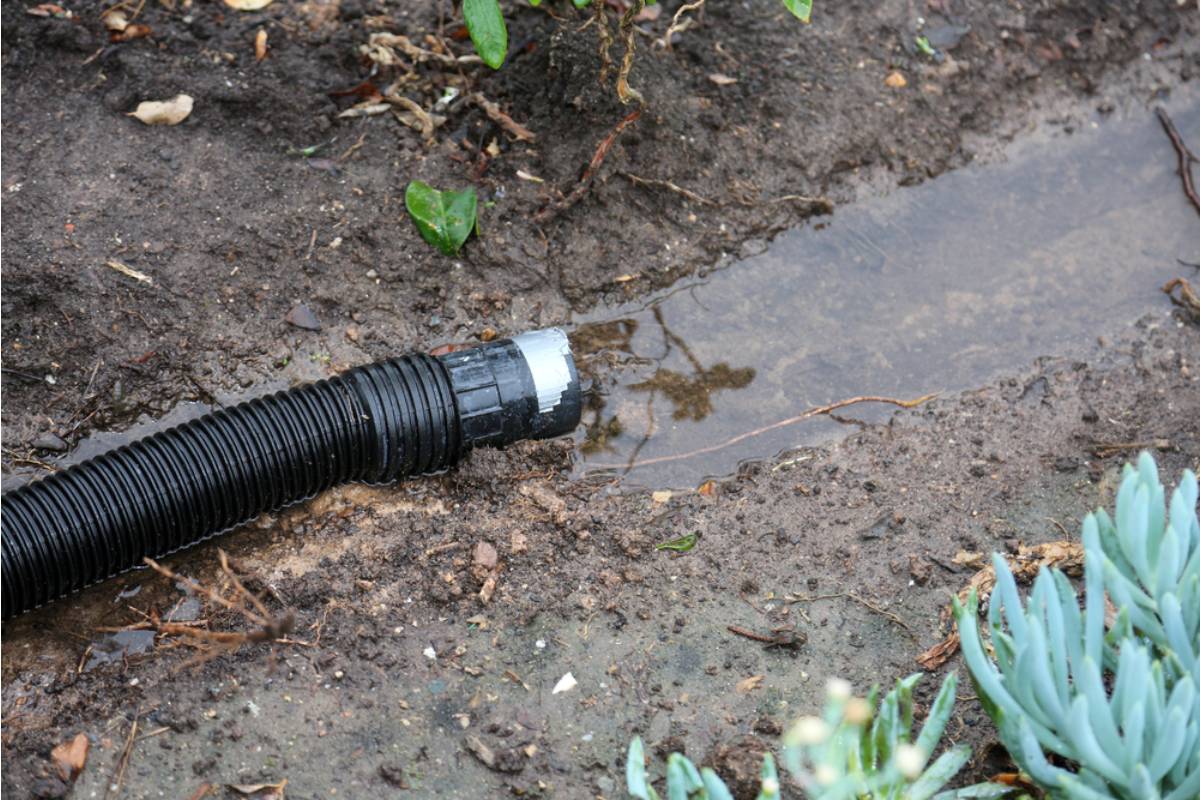
While checking the property line, Eric noticed a flexible drainage extension running from his neighbor’s downspout. It disappeared beneath a row of shrubs before emerging just short of the fence. The end of the extension pointed directly toward the section of his yard where the damaged raised bed stood. Until that moment, he had never realized the pipe had been added. Suddenly the constantly wet soil made perfect sense.
A Calm Conversation Led to an Unexpected Admission
Eric knocked on his neighbor Paul’s door and politely explained what he had found. Paul did not deny moving the downspout. Instead, he said he had redirected the water a couple of winters earlier because it kept freezing near his own walkway. He admitted he assumed the extra moisture would simply soak into Eric’s garden and help the plants. Eric explained that winter runoff was very different from normal watering and had likely caused the wood to stay saturated for months at a time.
The Damage Was Worse Than It Looked
After removing another board, Eric discovered the rot extended far beyond the visible section. Several support posts had weakened below the soil line, making the entire bed unstable. As he carefully dismantled part of the structure, pieces of wood crumbled in his hands. His wife looked at the damage and quietly said, “This wasn’t happening in one season.” The condition suggested the problem had been developing for much longer.
A Contractor Confirmed Their Suspicions
Wanting an objective opinion, Eric invited a local carpenter who specialized in outdoor structures to inspect the raised beds. The carpenter examined the lumber and moisture patterns before explaining that prolonged exposure to concentrated runoff could dramatically shorten the life of wooden garden beds. He pointed to discoloration and decay that matched repeated saturation over multiple seasons. Hearing the explanation from a professional made the situation feel much more serious. Eric now understood the problem had a clear cause.
Other Neighbors Started Asking Questions
While Eric rebuilt part of the damaged bed, nearby neighbors stopped to see what had happened. Several had noticed the drainage extension but assumed Eric knew about it. One neighbor admitted she had wondered why water always flowed toward Eric’s yard after snow melted. Another remembered seeing the extension installed shortly after Paul moved in. Their comments filled in pieces of the story Eric had never witnessed himself.
Paul Finally Saw the Damage Up Close
Eric invited Paul into the garden to look at the dismantled raised bed. He picked up one of the rotted boards and handed it to him without saying a word. The wood broke apart with almost no pressure. Paul’s expression changed immediately as he realized the damage was far more extensive than he had imagined. He quietly admitted he had never considered what constant runoff could do beneath the surface.
Finding a Solution Took Real Cooperation
Rather than continuing to argue, the two neighbors began discussing practical fixes. Paul agreed to reroute his downspout into a proper drainage system that carried water safely away from both properties. He also spent a weekend helping Eric remove damaged lumber and install new materials where needed. Working side by side eased much of the tension that had built between them. They focused on preventing the problem from returning instead of blaming each other.
The New Garden Bed Faced Its First Test
The following winter brought several heavy periods of snowmelt. Eric checked the rebuilt raised bed after each thaw, expecting to see standing water again. Instead, the soil gradually drained as it should, and the lumber remained dry along the outside edges. Even after weeks of changing conditions, no puddles formed against the wood. It was the first time in years the garden looked healthy before spring arrived.
A Fence No Longer Divided the Conversation
When planting season returned, Paul walked over carrying several packets of vegetable seeds. He apologized once more for assuming his drainage solution would not affect anyone else. Eric accepted the gesture because Paul’s actions had matched his words from the moment the problem became clear. As they planted the first seedlings of the season, both neighbors agreed that small changes around a home can have unexpected consequences beyond the property line. The rebuilt raised beds became a reminder that good communication often protects gardens just as much as careful maintenance.