Homeowner Says His Neighbor Insisted His Garden Shed Needed a Permit for Two Years, Then Built an Identical One Without Applying for Anything Once His Complaint Forced an Inspection
When I bought my home, one of the first projects I tackled was building a small garden shed. It was nothing extravagant, just enough space to store lawn equipment, seasonal decorations, and the tools that had been piling up in my garage.
I spent months planning it, making sure everything looked neat and matched the style of the house. I wanted to be the kind of neighbor who followed the rules and respected the community. I never imagined that one simple shed would become the center of a neighborhood dispute that lasted for years.
The First Complaint Arrived Quickly
The shed had barely been finished when my next door neighbor, Greg, walked over carrying a folder tucked under his arm. Without introducing himself, he asked if I had a permit for the structure.
I explained that I had checked the local requirements before starting. Based on the size and placement, I believed it met the exemption guidelines. Greg frowned and told me I should “double check before the city does it for me.” His tone made it clear that this was not friendly advice.
Anonymous Reports Became a Routine
A few weeks later, I received a letter from the city stating that someone had questioned whether my shed complied with local regulations. An inspector visited, measured the structure, and reviewed my paperwork.
Everything checked out.
The inspector smiled before leaving and said, “Looks like you’ve done your homework.” I assumed that would finally put the issue behind us, but it was only the beginning.
Every Small Change Drew New Attention
Whenever I added a flower bed or stacked bags of mulch beside the shed, Greg seemed to notice immediately. He often stood at the property line watching me work.
One afternoon he casually asked if I planned to install electricity inside the shed. When I said no, he replied, “Good. That would probably require another permit.”
It felt less like conversation and more like surveillance.
The Neighborhood Started Asking Questions
Other neighbors eventually noticed the tension.
One family asked why city vehicles had appeared outside my house more than once. Another neighbor quietly admitted that Greg had also questioned him about the height of his fence and the location of his mailbox.
I realized I was not the only person dealing with his constant interest in everyone else’s property.
A Second Inspection Brings More Frustration
Nearly a year later, another complaint triggered a second inspection.
This time the city official recognized my address before stepping out of the truck. After looking over the shed again, he laughed softly and said, “We’ve already been here.”
He completed another inspection anyway because every complaint had to be documented. Once again, nothing violated local regulations.
Greg Never Admitted Making the Reports
Although nobody officially confirmed who submitted the complaints, Greg constantly referenced details that only the reporting person would likely know.
He once told me, “The city usually catches these things eventually.”
I simply answered, “Apparently not this one.”
His expression suggested he did not appreciate my response.
Construction Begins Next Door
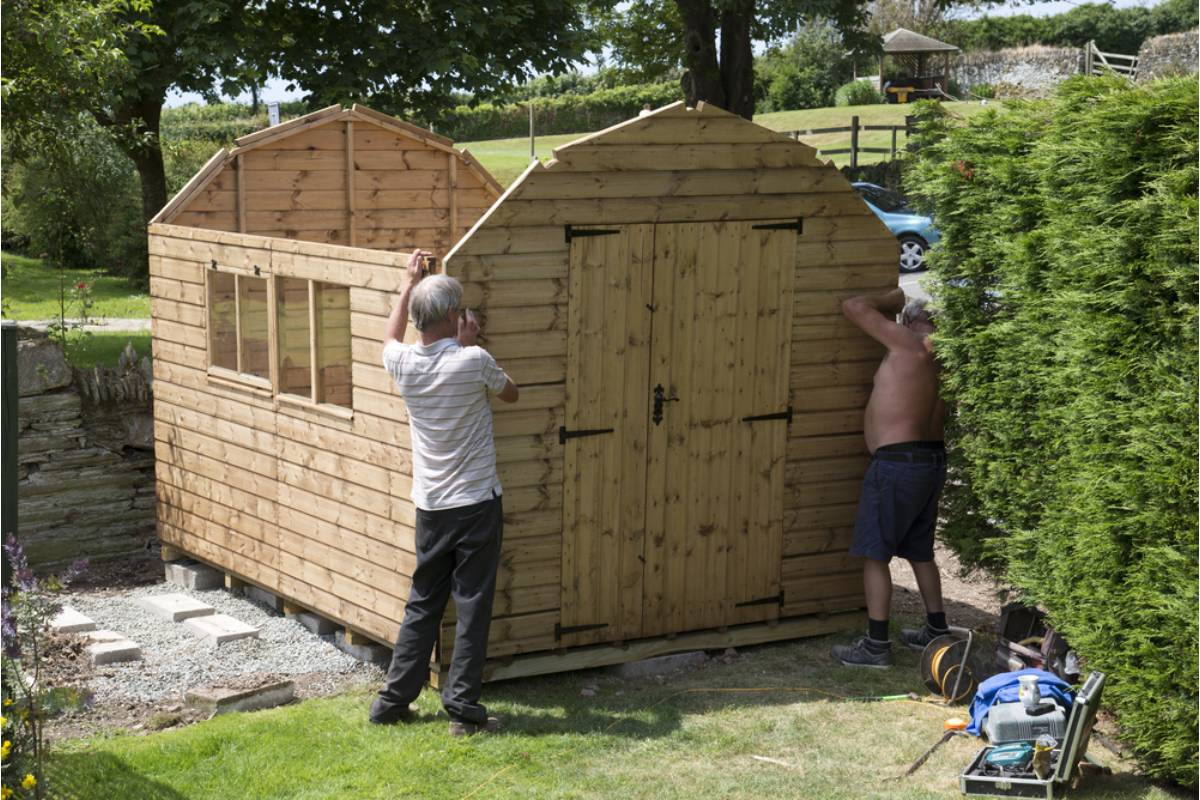
During the second spring after moving in, Greg hired a contractor to build a storage shed behind his own garage.
At first, I barely paid attention. Plenty of people build sheds, and I had no interest in criticizing someone else’s project.
Then I noticed something that made me stop.
The dimensions looked almost identical to mine.
An Awkward Conversation at the Fence
While the framing was going up, I greeted Greg over the fence.
“Looks nice,” I said. “Did you end up getting a permit?”
He answered without hesitation.
“I don’t need one.”
The confidence in his voice surprised me because he had spent two years insisting that everyone else did.
The Inspection He Never Expected
Only a few days after construction finished, a city inspector arrived at Greg’s property.
This time, the visit had nothing to do with me.
Because Greg had repeatedly filed complaints about structures throughout the neighborhood, city staff had begun reviewing nearby projects more carefully whenever reports came in. His newly completed shed naturally drew attention during one of those reviews.
Watching the inspector measure Greg’s building felt strangely familiar.
The Rules Suddenly Sounded Different
Greg tried explaining that the structure was only temporary.
The inspector politely asked several questions before comparing measurements with the local code requirements.
Unlike my shed, Greg’s exceeded the exemption limits. The setback from the property line also appeared much smaller than required.
For the first time, I saw him struggle to answer questions about permits.
Contractors Share an Interesting Detail
A few days later, one of the contractors knocked on my door.
He apologized for bothering me but wanted to ask about my shed because Greg had instructed the crew to build one “just like the neighbor’s.”
The contractor admitted he assumed permits had already been handled because Greg repeatedly described himself as someone who knew the regulations better than anyone else on the street.
That conversation explained a lot.
The Neighborhood Finally Learns the Truth
Word spread quickly after Greg’s project stalled.
Neighbors who had quietly tolerated years of criticism began sharing their own experiences. One family had received complaints about a children’s playset. Another had dealt with repeated questions about landscaping.
People started comparing stories and realized the pattern had gone on much longer than anyone expected.
Instead of creating a more orderly neighborhood, Greg had created unnecessary tension between people who otherwise got along well.
An Unexpected Apology
Several weeks later, Greg walked across the lawn carrying no folder this time.
He looked uncomfortable before saying, “I guess I underestimated how complicated these rules can be.”
It was not a perfect apology, but it was the closest thing to one that anyone had heard from him.
I simply replied, “They seem easier when we apply them the same way to everyone.”
He nodded quietly before walking back home.
A Better Relationship Slowly Develops
The city eventually resolved the permit issue, and Greg modified the shed to meet the required standards. Once everything passed inspection, construction officially wrapped up.
Something changed after that experience.
Greg stopped questioning every improvement people made around the neighborhood. Instead of assuming the worst, he began asking friendly questions about gardening and home repairs. He even complimented my shed one afternoon, admitting it had inspired the design of his own.
Looking back, the situation was never really about a storage building. It was about fairness, consistency, and respecting the same standards we expect others to follow. The neighborhood became noticeably more peaceful once everyone focused less on finding faults and more on being good neighbors. In the end, that lesson proved far more valuable than any permit ever could.