Homeowner Says His Neighbor Keeps Letting Her Grandchildren Pick Flowers From His Front Garden Every Sunday After Church, “She Says It Teaches Them to Appreciate Nature”
For years, I took pride in the flower beds that bordered the front walkway to my house. Every spring I planned the colors carefully so something was always blooming from early April through the first frost.
Neighbors often complimented the display, and I appreciated that people enjoyed looking at it while walking down the street. That changed when I started noticing fresh stems with clean breaks every Sunday afternoon. At first I blamed rabbits or careless children until I finally saw who was responsible.
A Familiar Routine Started Raising Questions
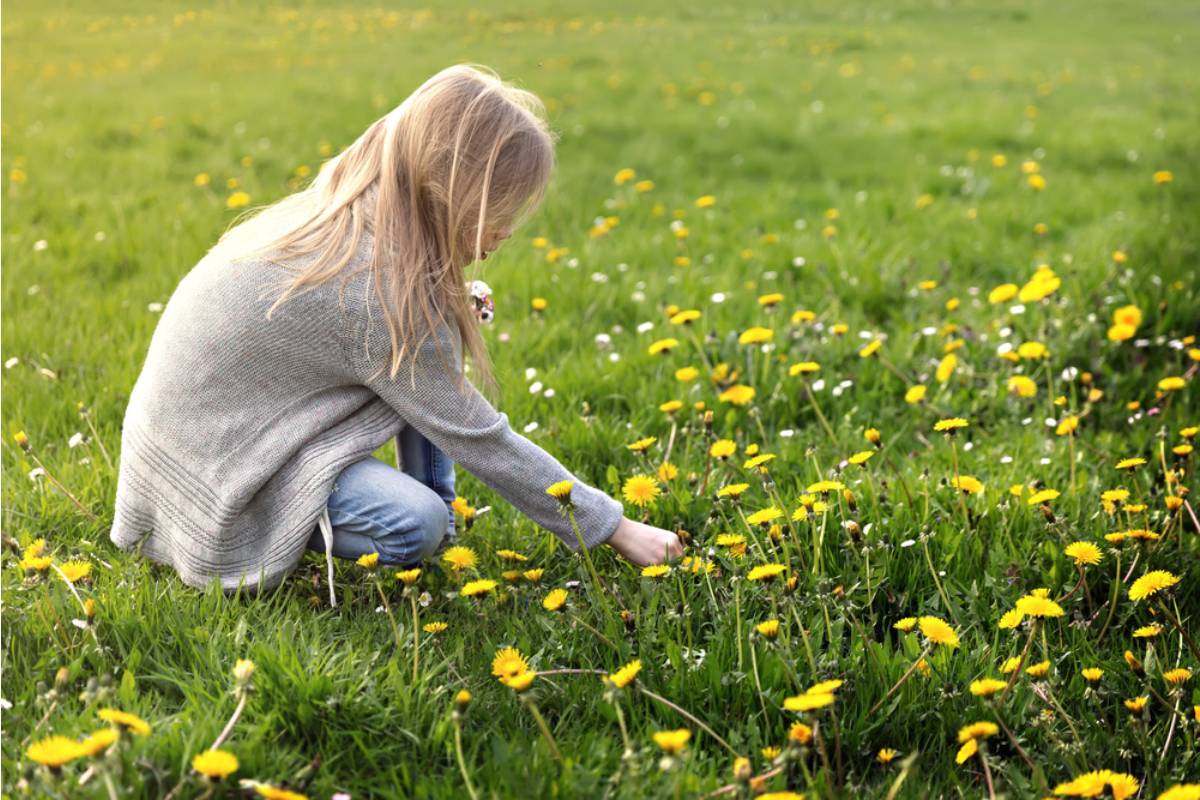
One Sunday, I happened to be watering the side yard when I heard excited voices near the front porch. I walked around the corner and saw my neighbor’s three grandchildren standing in the flower bed, each holding colorful blooms. Their grandmother smiled from the sidewalk as if nothing unusual was happening. When she noticed me, she cheerfully waved and said the kids loved fresh flowers. Before I could respond, they hurried away carrying little bouquets.
The Conversation Left Me Speechless
The following weekend, I met my neighbor before the children reached the garden. I politely explained that I would rather people ask before picking anything. She laughed and told me I was taking flowers too seriously because they would grow back anyway. Then she added that letting the children pick them helped them appreciate nature. I stood there wondering how taking someone else’s flowers was supposed to teach respect for nature.
Fresh Blooms Never Lasted More Than a Day
Every Saturday evening, my garden looked full and colorful. By Sunday afternoon, the tallest lilies, daisies, and coneflowers had disappeared. The missing blooms left awkward gaps that took weeks to recover. Friends who visited later in the week assumed the flowers had simply finished blooming. Only I knew they had been picked long before they reached their best.
Another Neighbor Witnessed the Same Thing
Across the street, my neighbor Mark stopped by while I was replacing broken plant supports. He admitted he had seen the children picking flowers several times but assumed I had given them permission. When I told him I had not, his expression immediately changed. He said the grandmother often encouraged them by pointing toward the biggest blossoms. Suddenly I realized this was not an isolated misunderstanding.
A Small Sign Solved Nothing
Hoping to avoid another awkward conversation, I placed a tasteful sign near the walkway asking visitors not to pick flowers. The message was clear without sounding unfriendly. The next Sunday, I watched from the living room as the children walked right past it. Their grandmother glanced at the sign, shrugged, and motioned for them to keep picking. It felt less like an oversight and more like a deliberate choice.
An Unexpected Visitor Spoke Up
That afternoon, a woman walking her dog stopped when she saw the children gathering flowers. She asked if they were helping with yard work because they had filled their hands with blooms. Before I could answer, the grandmother proudly explained that she was teaching them to appreciate beautiful gardens. The woman looked at me and asked quietly if they were my grandchildren. When I said no, her smile disappeared.
The Garden Club Noticed the Difference
A few weeks later, members of the local garden club visited several homes on our street. One member remembered my flower beds from the previous year and asked why they looked so sparse. I explained what had been happening every Sunday. Several members exchanged surprised looks because they had admired the garden before. One even commented that cutting flowers without permission was something they constantly warned new gardeners against.
A Camera Confirmed What I Already Knew
After another weekend of missing flowers, I installed a small security camera facing the front garden. The footage showed the children carefully picking blooms while their grandmother pointed toward unopened buds and taller stems. She even helped one child reach flowers that were planted farther back in the bed. Watching the recording was frustrating because it removed any doubt about what was happening. The behavior had become an established routine.
An Invitation Changed the Conversation
Instead of confronting my neighbor again, I invited her and the grandchildren over one Saturday afternoon. I showed the children how flowers attract bees, butterflies, and other pollinators. We walked through the garden discussing why leaving blossoms on the plants helps them produce seeds. The children listened carefully and asked thoughtful questions. Their grandmother remained unusually quiet throughout the visit.
The Youngest Child Asked One Honest Question
As we finished the tour, the youngest grandchild looked up at me and asked why I never picked all the flowers myself. I explained that I enjoyed seeing them bloom where they were planted and wanted everyone walking by to enjoy them too. The child looked confused before turning to the grandmother and asking why they always took flowers home. The silence that followed lasted much longer than anyone expected. For the first time, the grandmother seemed genuinely uncomfortable.
Sunday Looked Different at Last
The next weekend, I watched from the porch as the family walked toward my house after church. The children slowed down when they reached the flower beds, but their grandmother gently guided them back onto the sidewalk. Instead of picking flowers, they stopped to admire a butterfly resting on one of the coneflowers. One of the children waved at me and proudly said they were leaving the flowers for the bees. It was a small moment, but it felt like real progress.
A New Tradition Replaced the Old One
A month later, the grandmother surprised me by bringing the children over with several packets of flower seeds. She admitted she had not thought about the lesson she was actually teaching them.
Together we planted a small pollinator garden along the edge of her own yard, giving the children flowers they could help care for from the beginning. They became excited about watching the plants grow instead of picking them. Every Sunday after church, they now stopped to admire both gardens, and this time every blossom stayed exactly where it belonged.