Homeowner Says His Neighbor Let Eight Mature Palm Trees Drop Seeds Into His Pool for Two Summers, Then Refused to Pay $800 to Have Them Trimmed
A person shared his story after a long-running battle with one of the most stubborn forces in any backyard: falling plant debris. He had lived in his home for 14 years and taken care of his swimming pool himself, but eight towering palm trees across the alley had suddenly become the center of his gardening frustrations. What began as a complaint about seeds slowly turned into a neighborhood clash over money, property, and one very unpleasant conversation.
Eight Palm Trees Were Waiting Across the Alley
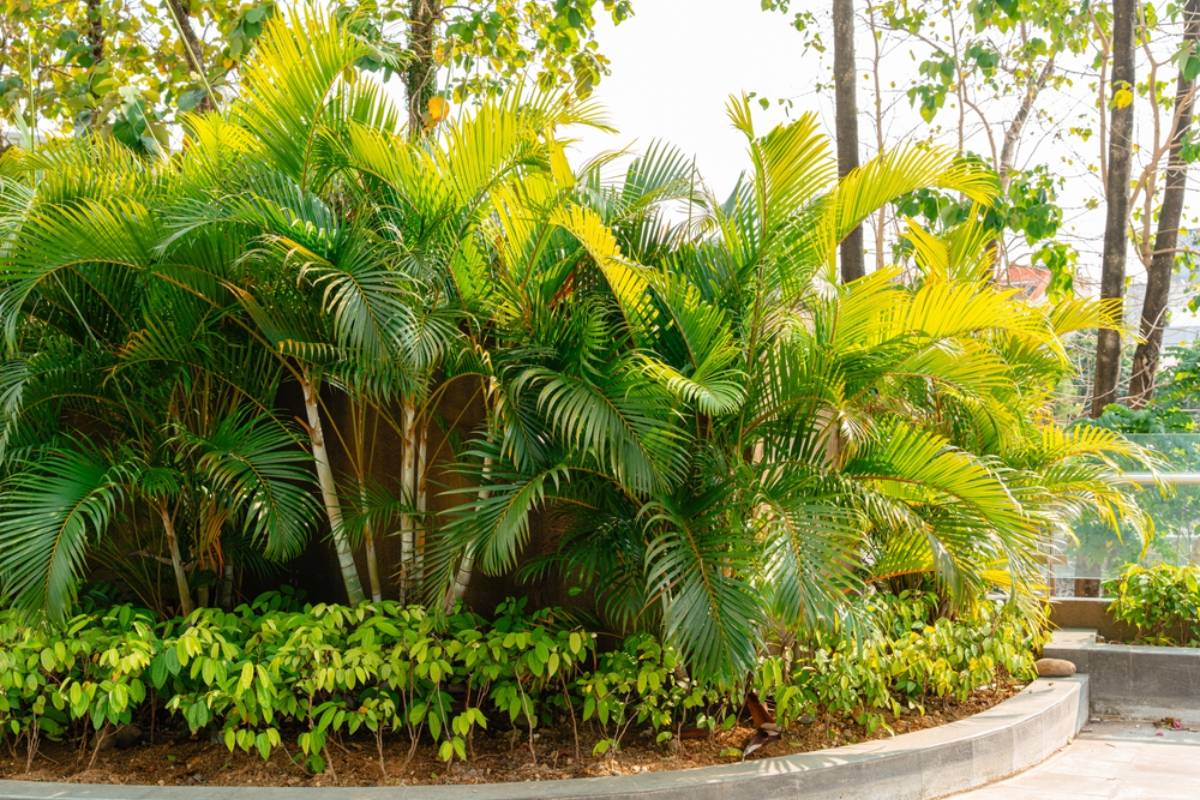
The neighboring property had eight mature palm trees, each standing roughly 40 feet tall and looking like they had been part of the landscape for years. The neighbors themselves had only owned the home for about three years, and there was not much interaction between the two households. From a distance, everything looked ordinary enough, but the palms were about to become impossible for one homeowner to ignore.
The trees were not small decorative plants that could be trimmed with a quick afternoon of gardening. They were enormous, mature palms producing the sort of debris that can quickly turn a carefully maintained outdoor space into a cleanup project. For someone who took pride in keeping a pool clean, those trees represented a problem that seemed to return every season.
Then the Palm Seeds Started Landing Everywhere
The trouble became especially obvious the previous year when the neighbor did not trim the palms. Seeds began dropping into the pool, and the homeowner found himself dealing with them for weeks at a time. Before long, the seeds were no longer just floating in the water because they had spread throughout the backyard as well.
Instead of being a one-time nuisance, the mess became part of the seasonal routine. The homeowner was already cleaning his own pool, so finding piles of seeds mixed into the work made the chore feel even more frustrating. By the time the next season arrived, he knew exactly what was coming and was not thrilled about repeating the experience.
The Second Season Made the Problem Even Worse
The following year brought an unpleasant sequel when the palm seeds began sprouting in the yard. Suddenly, the issue was not just a pool filled with floating debris but a backyard scattered with new growth that had to be dealt with. What had once seemed like an annoying cleanup job now felt like a gardening problem.
The homeowner apparently reached the point where simply cleaning up after the trees was no longer enough. He looked across the alley at the mature palms and decided the source of the mess needed to be addressed. That decision would lead to a conversation that quickly went in a very different direction.
He Finally Walked Over to Talk About the Trees
The homeowner approached his neighbor and asked whether the palm trees could be trimmed. On the surface, it sounded like a straightforward request between people living close enough to affect each other’s outdoor spaces. But there was one major obstacle that had nothing to do with gardening technique.
The estimated cost for trimming all the palms was said to be somewhere between $600 and $800. The neighbor did not want to spend that amount of money on the trees, especially when they were growing on his own property. Instead, he offered a very different solution: if the trees bothered the homeowner that much, he could pay for the trimming himself.
The $800 Suggestion Was Not Well Received
The homeowner considered that proposal ridiculous and apparently made his feelings very clear. Instead of ending the discussion with a polite disagreement, the conversation turned into a much broader critique of the neighboring property. Suddenly, palm trees were no longer the only thing being discussed.
He told the neighbor that the entire yard was an eyesore. He pointed to weeds, an empty pool, and a deteriorating block wall as examples of what he viewed as poor upkeep. At that point, what started as a conversation about fallen seeds had grown into a full assessment of how another person maintained his home.
The Yard Had Become Part of the Argument
The homeowner also believed the situation showed that the neighbor did not have much pride in the appearance of his property. He described the yard as unkempt and suggested that its neglected condition was becoming his problem too. That was the moment when the dispute stopped being about palm maintenance and became something much more personal.
There was also an uncomfortable assumption underneath the criticism. The homeowner believed it was obvious that the neighbor did not have much money, which made the refusal to pay for trimming even more understandable from one perspective. But rather than leaving the financial situation alone, the conversation had already expanded into a judgment about how the neighbor lived.
A Response From a Person Offered a Very Different View
A response from a person pointed out that trees dropping seeds and other debris is simply part of living around nature. From that perspective, owning a pool comes with its own maintenance responsibilities, including dealing with leaves, seeds, branches, and whatever else nearby vegetation happens to send your way. The palm trees were doing what palm trees naturally do.
The same response suggested a surprisingly simple solution: cover the pool. Other people raised similar possibilities, including hiring a pool cleaner or screening the pool area to reduce the amount of debris getting inside. The common theme was that the homeowner had several ways to solve his own problem without requiring his neighbor to spend hundreds of dollars.
The Palm Trees Were Not Even Hanging Over His Yard
One detail made the disagreement even more awkward. Several responses focused on the fact that the palm trees apparently did not extend over the homeowner’s property at all. The trees remained on the neighbor’s land, meaning the homeowner was asking someone else to pay for maintenance that primarily affected his own cleanup routine.
That distinction changed the argument considerably. Falling seeds may have been landing in the pool and backyard, but the physical trees themselves were still rooted safely on the other side of the property line. For many people, that made the request seem less like a shared landscaping responsibility and more like asking a neighbor to pay for someone else’s convenience.
Nature Was Not Interested in Property Lines
Leaves, seeds, pollen, and small bits of vegetation have never been particularly respectful of fences, alleys, or carefully drawn property boundaries. One person compared the situation to dealing with maple seeds, leaves, fluff, and branches from other nearby trees. Homeowners can spend hours cleaning their yards even when the mess originated several properties away.
That makes backyard gardening a little funny because people can carefully maintain a lawn while nature continues redesigning it overnight. The homeowner wanted a clean pool and a tidy garden, but the environment around him had other plans. The more he tried to control every falling seed, the more obvious it became that some of the mess was simply unavoidable.
The Real Problem May Have Been the Expectation
The biggest issue was not necessarily that he disliked the palm seeds. It was the expectation that his neighbor should spend $600 to $800 fixing a problem that primarily affected somebody else’s pool and yard. The neighbor had already provided an answer by saying he would not pay for the trimming and that the homeowner could arrange it himself.
A response from another person summed up the situation by suggesting that asking was not necessarily wrong, but the reaction to the refusal was what crossed the line. Once the homeowner started insulting the yard, there was little chance the conversation would remain productive. A gardening disagreement had turned into a personal battle, and nobody was leaving with a new set of trimmed palms.
There Were Still Plenty of Other Solutions
Several practical alternatives were mentioned that could have reduced the amount of debris reaching the pool. A pool cover would have created a barrier, while a screen around the pool could have reduced the amount of seeds and other material blowing inside. Paying for professional trimming would also have solved the immediate problem, although it would mean accepting the exact expense the homeowner had rejected.
There was even the possibility of checking local rules, neighborhood regulations, or property maintenance standards. One response suggested looking into municipal guidelines and speaking with an arborist before deciding whether any formal action was appropriate. That route would at least have turned the dispute into a factual landscaping question instead of another argument across the alley.
The Neighbor’s Messy Yard Was a Separate Battle
The criticism of the neighbor’s weeds, empty pool, and deteriorating wall also seemed to muddy the original complaint. A yard does not have to meet someone else’s aesthetic standards simply because the homes happen to be close together. People have different budgets, different priorities, and different ideas about what counts as acceptable garden maintenance.
The neighbor may have had financial reasons for postponing landscaping, or he may simply have considered the work unnecessary. Nobody outside that household could know exactly why the property looked neglected. Bringing those unrelated issues into the palm-tree dispute only made the conflict more personal and less likely to end well.
Even Pool Owners Said the Cleanup Comes With the Territory
Some of the strongest responses came from people who understood the frustration of owning a pool. They acknowledged that cleaning up after messy trees can be exhausting, especially when debris seems to appear almost immediately after the water has been cleaned. Yet even they argued that the homeowner still had responsibility for dealing with what landed in his own pool.
That point created an ironic twist in the story. The person with the problem had access to several solutions, while the person who owned the trees had very little reason to spend hundreds of dollars preventing seeds from entering someone else’s property. The palm trees were not plotting against anyone; they were simply growing.
The Original Request Was Not the Biggest Mistake
It is easy to understand why the homeowner wanted the trees trimmed after dealing with the same mess two years in a row. Asking a neighbor whether they were willing to maintain the palms was not necessarily unreasonable, especially when the resulting debris was creating extra work. The conversation could have ended there with a simple no.
Instead, the homeowner pushed further after receiving an answer he did not like. By attacking the appearance of the entire yard, he transformed an ordinary neighborhood disagreement into something that could easily linger for years. The irony was that the original problem involved fallen seeds, but the bigger problem was now bad blood between two households.
In the End, the Palm Trees Won
The story ultimately became a reminder that gardening is often less about controlling nature and more about learning where control ends. Those eight mature palms continued standing across the alley, while the pool owner was left with the same cleanup problem he had hoped to eliminate. There was no dramatic tree removal, no miraculous landscaping makeover, and no neighbor suddenly changing his mind.
Instead, the homeowner was left with choices that were much more expensive in pride than in money. He could pay for the trimming, invest in better pool protection, investigate whether local rules offered another path, or simply keep cleaning. The final twist was that the palm trees were never really the most troublesome part of the story; the real mess began when one neighbor decided the other person’s yard was his problem to solve.