Homeowner Says His Neighbor’s Dying Tree Took Over the Garage, Then Discovered Everyone Had a Different Idea About Who Should Trim It
A person shared his story about a large tree growing on a neighboring property in Los Angeles that had become impossible to ignore. Its branches had stretched across the property line and spread directly over his garage. What had once looked like ordinary backyard growth was beginning to feel like a serious gardening problem with a roof underneath it.
The most worrying part was the condition of the overhanging branches. Some appeared to be dying, and branches had already fallen onto the garage. Every new crack, scrape, or thump from the tree made the homeowner wonder whether the next falling limb would cause much more damage.
What Started as a Simple Tree Became a Property Problem
Trees routinely reach across fences, especially when nobody has kept up with pruning. In this case, though, the growth had gone beyond simply dropping leaves into someone else’s yard. The tree was hanging over a building, creating a situation where routine garden maintenance suddenly carried much bigger consequences.
The homeowner wanted to know what could actually be done without turning a simple trimming job into a neighborhood battle. He wondered whether the neighbor should handle the dangerous branches or whether he would have to pay for the work himself. That question turned out to be much harder to answer than simply reaching for a pair of loppers.
The Garage Was Sitting Directly Under the Trouble
The garage made the entire situation more urgent because the branches were not merely hanging over a lawn or flower bed. They were positioned above a structure that could be damaged every time a heavy limb came down. One fallen branch had already shown that this was not just a hypothetical concern.
For a gardener, pruning decisions are usually about health, shape, sunlight, and seasonal growth. Here, the homeowner was dealing with all of those things plus a roof sitting underneath the canopy. The tree had effectively turned the garage into an unwilling participant in its growing season.
The Dying Branches Changed the Stakes
Healthy branches can be annoying when they scatter leaves and debris across a carefully maintained garden. Dying branches are another matter entirely, especially when they are large enough to fall onto buildings. The homeowner said the portion reaching into his property appeared to be failing, which made the situation much more difficult to dismiss.
A tree can look impressive from a distance while quietly becoming unstable above your head. That contrast seemed to be what made this case so unsettling. From the street, it might have looked like an ordinary mature tree, but underneath the canopy was a growing list of problems.
Then He Started Asking Who Was Responsible
The homeowner’s biggest question was responsibility. He wanted to know whether the neighboring owner had to arrange trimming or removal or whether he was expected to handle the branches that had crossed the line. It was a surprisingly complicated question for something that began with one tree growing in the wrong direction.
A response from a person described having been on the opposite side of a very similar situation. Their neighbor had asked for dying branches to be removed, and the person considered suggesting that the cost be split. Instead, after speaking with a lawyer, they decided it would be simpler to pay for the trimming and removal themselves.
The Neighboring Yard Was Not the Only Complication
Another person described a much more extreme version of the same nightmare. They said a tree had volunteered itself beside a chain-link fence and eventually grew with part of the trunk tangled into the fence itself. The tree had become so awkwardly positioned that trimming one side required access through the other person’s property.
That person’s story showed how quickly neglected trees can become permanent fixtures in a neighborhood dispute. Their neighbor reportedly refused to let workers climb the tree, even though the branches were causing problems for a small detached room. What sounded like a simple pruning appointment could suddenly become an argument about ladders, fences, permission, and liability.
Thirty Years Without Trimming Made Everything Worse
The same person claimed the neighbor had failed to trim their side of the tree for about 30 years. By then, what should have been manageable seasonal maintenance had become a giant, established problem. The tree was no longer just reaching across a fence, it had become part of the neighborhood’s architecture.
The situation had also created problems beyond fallen branches and roof damage. According to the account, rat-control workers had warned that rats were using the overhanging branches as a route into the yard. A neglected tree had somehow become both a gardening headache and an unwanted highway for pests.
Even Hiring Someone Was Not Straightforward
The homeowner might have imagined that the answer was simply to call a tree service and let professionals handle the dangerous limbs. But the other person’s experience showed why that was not necessarily easy. Workers reportedly wanted written permission before climbing onto the part of the tree that stood on the neighbor’s side.
That turned tree trimming into a strange logistical puzzle. The tree was reachable from one side, but the equipment could not easily be positioned from the ground because the space was too tight. The person said a cherry picker could not access the tree, leaving everyone staring at a giant branch structure that seemed determined to stay exactly where it was.
A Simple Fence Suddenly Marked a Difficult Boundary
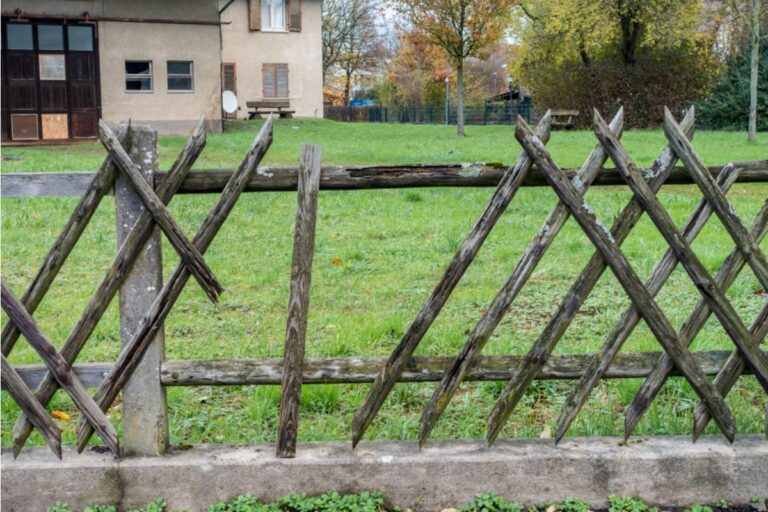
Fences feel wonderfully definite when they separate two gardens. Trees, however, do not care about property lines, survey measurements, or where one lawn ends and another begins. The branches simply grow wherever the sunlight and space happen to be.
That was part of the frustration in the story. One response from a person suggested that growth extending into someone else’s side could be trimmed there, while another urged the homeowner to approach the neighbor and try to arrange shared maintenance. The advice sounded practical, but it also revealed just how much depended on cooperation.
Some Neighbors Saw a Chance for a Deal
One response from a person described solving a similar conflict by proposing a 50-50 split. Rather than treating the trimming as a battle over who owed what, they suggested making it a shared project. In another situation, they even considered trading favors involving other landscaping work.
There was something almost funny about the idea of negotiating with a tree by way of a garden bargain. Instead of arguing over branches, neighbors could potentially agree to handle other annoying shrubs or hedges in exchange for help with the tree. It was not a perfect solution, but it showed that sometimes the best landscaping tool is simply a reasonable conversation.
Then the Power Lines Entered the Story
Another person noticed something the homeowner had not emphasized at first. Some of the branches appeared to be close to power lines, which immediately raised the stakes beyond ordinary backyard gardening. A branch that looks harmless against blue sky can become a completely different problem when electricity is involved.
Several responses suggested contacting the relevant utility company to inspect the area. The reasoning was straightforward: utility crews may have rules and equipment specifically for vegetation growing near power infrastructure. Suddenly, the homeowner had another possible path that did not depend entirely on convincing the neighbor to organize a private tree service.
The Neighbor’s Cooperation Became the Real Issue
At first, the story seemed to be about one overgrown tree. As more people shared similar experiences, the real problem became obvious: the tree was only half the battle. The other half was dealing with the person who owned the yard where the trunk actually stood.
The second story made that especially clear, because the neighbor reportedly became angry whenever written permission was requested. One person described being told, repeatedly and loudly, that the permission would not be signed. In gardening terms, the tree was the visible problem, but the relationship between the neighbors was becoming the deeper root system.
Everyone Had a Different Solution
The responses did not produce one clean answer. Some people favored cost sharing, some suggested handling the branches on their own side, and others recommended contacting the utility company if the tree threatened power lines. Even the idea of proving an immediate hazard came up as part of the discussion.
That range of answers gave the story an unexpected twist. The difficult part was not figuring out how to cut a branch. It was figuring out which option would solve the problem without creating a bigger one.
The Cheapest Option Might Not Be the Easiest One
Several responses suggested that paying for trimming personally might ultimately be less stressful than waiting for a reluctant neighbor to cooperate. That could feel unfair, especially when the problem originated from vegetation growing over the property line. Still, the practical argument was that a dangerous tree does not become safer simply because two homeowners disagree over the bill.
For someone standing beneath the branches, that is a frustrating reality. The cost of professional tree work can sting, but so can repairing a garage after another heavy limb falls. A gardener who has spent years protecting a yard from one problem after another may decide that getting the tree under control is worth more than winning the argument.
The Tree Was Growing, Whether Anyone Agreed or Not
That was perhaps the most stubborn fact in the entire story. While the homeowners debated responsibility, the tree continued doing what trees do best. Branches kept extending, dead wood kept becoming more concerning, and gravity kept waiting patiently.
The situation was a reminder that gardening problems rarely stay frozen while people negotiate. A neglected hedge becomes larger, roots spread farther, and branches reach places nobody expected. Sometimes the most dangerous landscaping problem is the one everyone assumes can be dealt with next weekend.
What Looked Like a Gardening Nuisance Became a Bigger Warning
The homeowner originally came looking for practical guidance about a tree hanging over his garage. By the end of the discussion, the story had expanded into a much bigger lesson about neglected landscaping, property boundaries, pests, buildings, utility lines, and difficult neighbors. One tree had managed to collect nearly every possible gardening complication under its canopy.
And that may have been the biggest twist of all. The branches were not the real mystery, because everyone could see them. The mystery was whether the homeowners could act before the next falling limb decided the issue for them.
The Garage Was Still Waiting Underneath It All
While people debated trimming, cost sharing, permissions, and utility crews, the garage remained directly below the overhanging branches. The homeowner had already seen pieces of the tree fall onto the structure, so the warning signs were no longer subtle. There was no guarantee that the next branch would be equally harmless.
A response from a person summed up the practical attitude behind many of the suggestions: try talking to the neighbor first, but do not assume cooperation will come forever. In the world of gardening, timing matters, and mature trees do not wait for neighborhood disputes to be resolved before they keep growing.