Homeowner Says His Neighbor’s Renovation Crew Has Been Storing Wet Cement Bags Against His Garden Fence for Weeks, Now the Runoff Has Killed Everything Along That Border
When my wife and I bought our home, the backyard quickly became our favorite place to unwind after work. We planted a long border of hydrangeas, hostas, and native flowers along the fence because it softened the view between our property and the house next door.
It took several growing seasons before everything filled in the way we had imagined. The flower bed became the first thing visitors noticed whenever they stepped into the yard. That is why watching it slowly die without understanding the reason was so frustrating.
Construction Begins Next Door
One Monday morning a renovation crew arrived at my neighbor Mark’s house. They unloaded stacks of lumber, bricks, and pallets of cement before beginning work on a large addition behind his home. I expected a few weeks of noise and extra traffic, which seemed like a normal part of any remodeling project.
At first the workers stayed entirely on Mark’s property. They greeted me politely whenever we crossed paths, and I assumed everything would go smoothly.
An Odd Storage Spot Appears
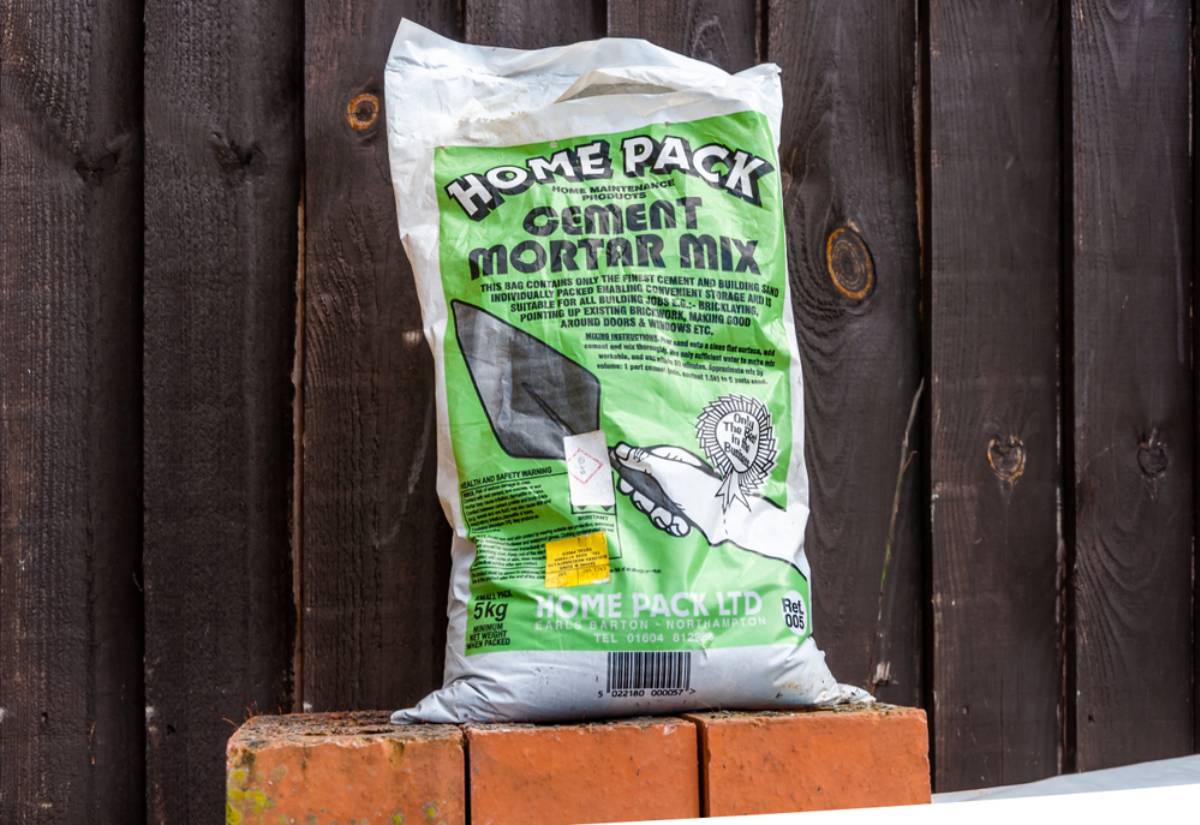
A few days later I noticed something new along the shared fence. The crew had stacked dozens of cement bags directly against Mark’s side of the wooden fence. Some of the bags looked ripped open, and gray powder had collected underneath them.
I did not think much of it initially. I figured they would use the materials within a day or two and move everything elsewhere.
The Flower Bed Starts Changing
About a week later the leaves on several hostas nearest the fence began turning yellow. Soon after that, the hydrangeas stopped producing healthy blooms. Plants that had looked vibrant only days earlier suddenly appeared weak and lifeless.
At first I blamed excessive heat or a possible watering issue. I adjusted my irrigation schedule, but nothing improved.
Strange Water After Every Rain
The next time it rained, I happened to glance outside while making coffee. Thin streams of cloudy gray water trickled from beneath the fence into my flower bed. The runoff spread across the soil before disappearing into the mulch.
That was the first moment I connected the dying plants with the cement bags leaning against the fence. The timing suddenly made perfect sense.
A Friendly Request Gets Ignored
That evening I walked over and spoke with the crew supervisor. I explained what I had seen and politely asked whether they could move the cement to another location. He listened, nodded, and assured me they would take care of it.
Two days passed without any changes. In fact, additional bags had been stacked against the same section of fence.
More Than Flowers Begin Suffering
Within another week the damage spread farther down the border. Shrubs that had survived every season since we moved in began dropping leaves. Even patches of grass nearest the fence developed brown streaks.
The healthiest section of my backyard had become the worst looking area on the property. Every morning seemed to reveal another plant that had failed overnight.
Digging Into the Soil
Concerned that something permanent was happening, I carefully dug into the flower bed. Just below the mulch I found patches of hardened gray material mixed with the soil. It looked like diluted cement had repeatedly washed beneath the fence before drying underground.
I collected samples in small containers because I had a feeling I might eventually need proof of what was happening.
Mark Finally Sees the Problem
Until then, Mark had been leaving for work before the construction crew arrived and returning after they left. One Saturday morning I invited him into my backyard and showed him the dead plants, gray soil, and runoff stains along the fence.
His expression changed immediately. He admitted he had never walked behind the stacked materials and had no idea where the runoff was flowing.
An Unexpected Discovery
While Mark spoke with the crew, one worker accidentally pulled a tarp away from the cement bags. Hidden behind them were several torn bags that had been soaking in puddles for weeks. Every rainfall had slowly carried cement residue toward the fence.
The supervisor quietly admitted they should have removed the damaged bags much earlier. Instead, they simply kept stacking new materials in front of the old ones.
Professional Testing Confirms My Suspicion
Rather than arguing about opinions, Mark suggested hiring a landscaping company to inspect the damaged area. The specialist took soil samples from several locations and compared them with soil farther away from the fence.
A few days later the report confirmed that the soil nearest the border had become highly alkaline from repeated cement contamination. The plants had not died from neglect. They had been exposed to conditions they simply could not survive.
The Fence Reveals Hidden Damage
As workers removed the remaining cement bags, another problem became obvious. The lower boards of the wooden fence remained damp because wet bags had rested against them for weeks. Several sections already showed early signs of rot and discoloration.
What had started as a landscaping issue was now becoming a property maintenance problem. Mark realized the construction shortcuts had damaged both of our yards.
The Crew Has to Make It Right
After reviewing the inspection results, the renovation company agreed to replace the contaminated soil along the entire border. Workers carefully removed the affected dirt before bringing in fresh topsoil and compost. They also replaced damaged fence boards and cleaned every trace of cement residue from the area.
The process took several days, but for the first time in weeks it felt like the situation was moving toward a real solution instead of another excuse.
Replanting With Help From the Neighborhood
Once the new soil settled, several neighbors volunteered to help us rebuild the flower bed. Some brought divisions from their own gardens, while others donated native plants that would thrive in the area. What had once been a row of dying shrubs slowly transformed into an even more colorful landscape.
Working together made the project feel less like repairing damage and more like creating something better than what had been there before.
A New Rule for Every Future Project
Mark later included a specific condition in the remainder of his renovation contract requiring all building materials to be stored on paved surfaces away from neighboring property lines. The construction company also changed how the crew organized materials after recognizing how much trouble improper storage had caused.
Neither of us wanted another homeowner to experience the same kind of avoidable damage. A simple change in routine could prevent countless problems in the future.
The Border Finally Comes Back to Life
By the following growing season, the new plants had taken root and fresh blooms once again lined the fence. Visitors who had seen the yard during the worst weeks could hardly believe it was the same space. The repaired border looked healthy, full, and carefully planned instead of patchy and lifeless.
Looking back, the most frustrating part was knowing the damage never had to happen. It was not caused by a natural disaster or an unavoidable accident. It happened because someone chose convenience over responsibility. Fortunately, patience, good documentation, and neighbors willing to address the problem honestly allowed the garden to recover. Every flower blooming along that fence now serves as a reminder that respecting the space next door is just as important as caring for your own.