Homeowner Says His Parents Were Ready to Remove a Dying Tree, Until They Learned the Bats Living Inside Made It Legally Untouchable
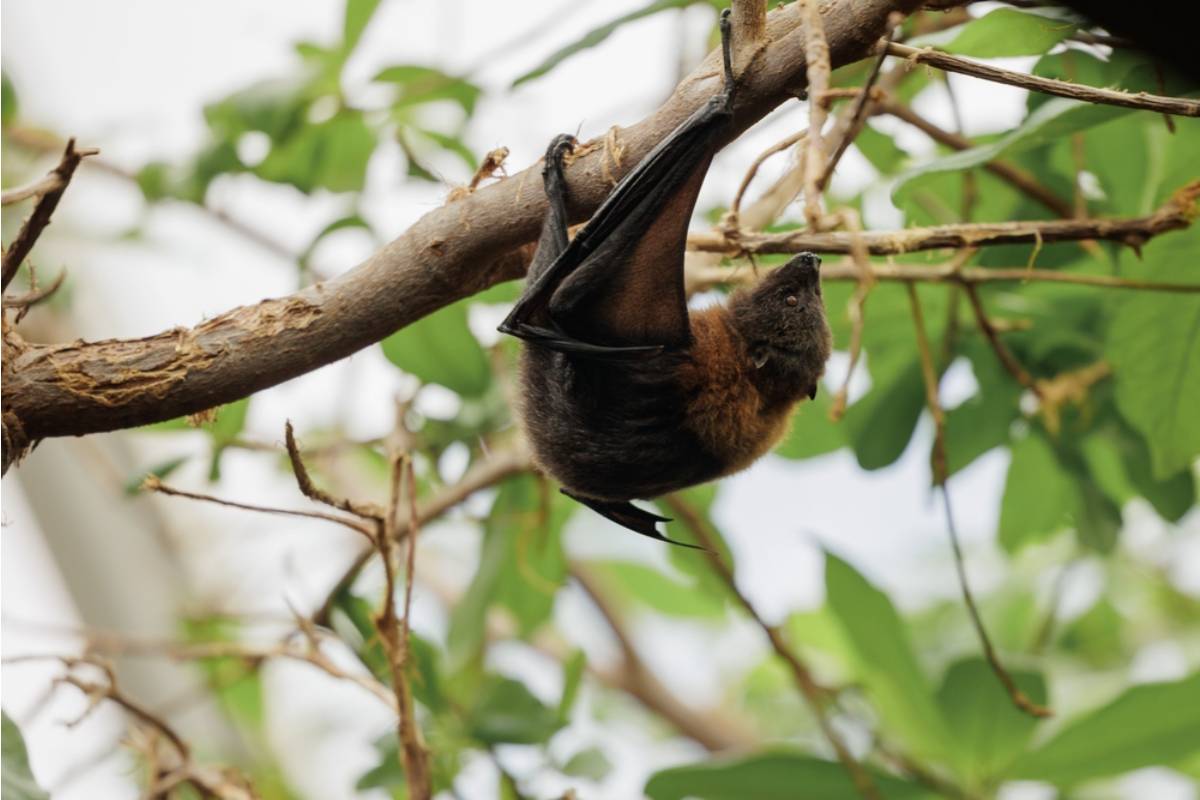
A person shared his story about an old tree standing in his parents’ yard that had become an unexpected source of trouble. The tree was known locally as the “bat tree” because a colony had been living inside it for years. What once seemed like an interesting bit of backyard wildlife eventually became a much bigger problem when the bats started finding their way into the family home.
The parents weren’t trying to get rid of the bats simply because they disliked having wildlife nearby. The real issue was that bats repeatedly entered the house, creating a situation that required professional help. Eventually, the family had the entire house bat-proofed, but that solution came with a surprisingly large bill and an important condition: the remaining bats had to be allowed to leave safely.
The House Was Finally Sealed Tight
Professionals went through the house and closed the crevices where bats had been getting inside. They couldn’t simply seal every opening immediately because bats might still be trapped indoors. Instead, the work had to be done carefully so the animals could leave but couldn’t return through the same gaps.
For the family, the plan appeared to work. The house stayed bat-free for roughly two years, and the expensive work finally seemed worthwhile. But while the inside of the house became peaceful again, the old tree outside was quietly heading toward a new problem.
The Bat Tree Started Looking Sick
Over time, the tree began showing signs of decay. It looked increasingly unhealthy, with parts of it appearing dead and the overall condition becoming difficult to ignore. For the parents, that raised an obvious concern because a deteriorating tree in a residential yard isn’t something most homeowners want to leave standing indefinitely.
There was one enormous complication, though. The tree wasn’t merely an old piece of landscaping that could be removed whenever the family wanted. It was also home to bats, and those bats were protected under the laws applying to the family’s area.
Removing the Tree Suddenly Became a Legal Problem
The family eventually learned that taking the tree down wasn’t as simple as calling someone with a chainsaw. A tree company had already told the parents that removing it would be unlawful without following the appropriate wildlife requirements. That information turned what looked like a routine tree-removal job into a potentially serious legal issue.
The person who shared the story was especially worried because his brother wanted to ignore the professional advice and cut the tree down himself. That idea might have sounded quick and inexpensive, but it carried a risk the family couldn’t easily undo. If protected bats were harmed or the removal violated regulations, the consequences could be much bigger than the cost of hiring someone properly.
The Family Discovered the Bats Had Their Own Rules
The strange part of the situation was that the family wasn’t allowed to treat the bats like ordinary household pests. They had already learned that exterminating them wasn’t an option, which explained why the house had needed such specialized bat-proofing. Now the same wildlife that had once invaded the attic had effectively become part of the decision about what could happen to the tree.
The person sharing the story said his family was looking into bat habitats as a possible solution. That idea seemed almost comically specific compared with ordinary gardening projects. Instead of deciding what flowers to plant or where to put a bird feeder, they were suddenly researching how to provide replacement housing for a colony of bats.
The Brother Wanted to Take the Fast Route
The brother wasn’t interested in making the situation more complicated than necessary. His apparent solution was to cut down the tree without bringing in another professional. From his perspective, a dying tree was a dying tree, and waiting for additional approvals or wildlife considerations probably seemed unnecessary.
The problem was that the parents had already received a warning from a tree company. One response from a person strongly advised against ignoring that warning, explaining that cutting down the tree after permission had been denied could create serious trouble. Suddenly, the family’s shortcut looked much less like a clever solution and much more like a gamble.
The Possible Penalties Made Everyone Nervous
Another response from a person took the warning even further. The person explained that depending on the species and applicable protections, state wildlife authorities or federal agencies could potentially become involved if protected bats were harmed. That possibility was enough to make an unauthorized tree removal sound like a terrible bargain.
There was also a surprisingly simple alternative suggested. Rather than trying to eliminate the bats, the family could potentially install several bat houses elsewhere on the property if that satisfied the applicable requirements. The idea was inexpensive compared with the cost of professional tree work and gave the family a way to consider both the wildlife and the condition of the tree.
The Bats Weren’t Exactly the Villains
Despite the frustration, the person sharing the story made it clear that he didn’t disagree with the bats’ role in the environment. Bats can consume large numbers of insects, making them useful visitors in a garden and backyard. The problem was simply that a bat colony inside a house was a completely different matter.
That distinction became important as the discussion continued. A gardener can appreciate wildlife while still wanting a firm boundary between the garden and the living room. The family had already spent a fortune creating that boundary, so they weren’t eager to undo their progress just because the tree outside remained occupied.
Someone Suggested the Bats Might Leave Naturally
One response from a person offered an interesting possibility: perhaps the bats would eventually recognize that their tree was deteriorating and move somewhere else. If that happened, the family might not have to construct an elaborate replacement habitat immediately. Nature, after all, has a way of changing plans without asking homeowners for permission.
The idea sounded hopeful, but another response pointed out that bats may remain associated with a dying or dead tree until conditions change significantly. The animals weren’t necessarily going to pack their bags simply because the tree looked unhealthy to humans. That meant the family couldn’t safely assume that waiting a little longer would solve everything.
The Timing Could Matter More Than the Tree
The discussion also raised concerns about disturbing bats during the wrong season. A person responding to the story explained that bats can be particularly vulnerable during periods such as hibernation because disturbance can force them to burn valuable energy. That made the timing of any potential relocation or tree work an important consideration.
For the family, this meant the dying tree couldn’t simply be viewed as a landscaping project. The condition of the tree mattered, but so did the animals living inside it. Any solution had to account for both, which made the situation considerably more complicated than cutting down a dead tree and hauling away the branches.
The Family Considered Building a New Home for the Colony
The more the family learned, the more attractive bat houses became. They discovered that these structures could potentially provide bats with an alternative roosting location without requiring the family to tolerate them inside the house. Compared with the massive expense of sealing the home, constructing replacement habitat seemed almost surprisingly manageable.
The person sharing the story admitted that he had spent a large part of the day looking at bat habitats online. It was an unusual task for someone who probably hadn’t expected to become an expert in bat housing. Yet the deeper the family got into the problem, the more it seemed that a few carefully placed structures might be the bridge between protecting wildlife and reclaiming the yard.
Then the Location Changed the Stakes
Eventually, the person revealed an important detail about where his parents lived. They were in Appalachia in the United States, an area where bats are protected and where the family understood that specific wildlife regulations applied. He explained that the rules came through government wildlife and agricultural authorities and that the businesses involved in extermination and tree removal had to follow them.
That detail helped explain why the tree company had refused to simply remove the tree. What initially sounded like an unusual local rule was actually connected to broader environmental protection requirements. The family’s problem wasn’t really about ownership of the tree at all, but about what could legally happen to protected wildlife living inside it.
A University Connection Offered Another Possibility
The parents also lived in a university town, which gave the family an unexpected resource. Student researchers had previously visited the property when the bats were getting into the house. They had already shown interest in observing the bat problem, so the person sharing the story considered contacting them again.
That possibility brought a new twist to the situation. The same bats that had once been nothing more than a household nuisance had apparently become interesting enough for researchers to study. Instead of the family having to figure everything out alone, there was a chance that people familiar with bats could help them understand what was living in the tree and what options were available.
Not Everyone Thought Researchers Were the Answer
One response from a person strongly disagreed with the idea of contacting student researchers. The concern was that researchers might become overly interested in the situation and make the family’s legal and practical problems even more complicated. Rather than turning the property into an unofficial wildlife research site, the person suggested looking for professionals familiar with local wildlife rules and bat relocation.
That warning didn’t necessarily mean the researchers were unhelpful. It simply highlighted another complication the family hadn’t initially considered: getting advice from the wrong person could create more confusion instead of less. The family needed someone who understood both the animals and the regulations surrounding their removal.
The Dead Tree Was Becoming the Center of Everything
At this point, the old tree had become much more than a dying feature in the parents’ yard. It was tied to the family’s history with the bats, the expensive work done on the house, the possibility of legal trouble, and the future of an entire colony. Every possible solution seemed to connect back to the tree.
The irony was hard to miss. The family had spent a fortune preventing bats from entering their home, yet now they had to protect the bats’ home outside if they wanted to remove the tree. What had started as a household pest problem had turned into a complicated backyard wildlife project.
The Twist Was That the Solution Might Be Cheaper Than Expected
The most surprising suggestion was that a replacement bat sanctuary didn’t necessarily have to be an elaborate structure. One response from a person pointed out that bat houses could potentially be made with relatively inexpensive materials and that they were simpler than many ordinary birdhouses. If that approach met the relevant requirements, the family could potentially create several new roosting options without spending a fortune.
That changed the mood of the entire story. Instead of choosing between an unsafe tree and an expensive legal battle, the family had another possibility to investigate. The dying tree could eventually come down, the bats could have alternative shelter, and everyone might get something they wanted without turning the backyard into a courtroom.
The Family Still Had One Big Question
Even with the bat houses idea on the table, the family still needed to understand exactly what the authorities required. Simply putting up a few wooden boxes wouldn’t automatically guarantee that the tree could legally be removed. The species of bats, timing, condition of the tree, and applicable regulations could all affect what was allowed.
That was why the responses repeatedly pointed back toward professional guidance. The family didn’t need someone to simply tell them how to cut down the tree. They needed someone who could explain how to do it legally while protecting the animals that depended on it.
The Tree Could Wait, But the Family Had to Plan
For now, the parents had a strong reason not to let the brother grab a chainsaw and settle the matter himself. The tree might look dead or dangerous, but removing it without following the rules could create an entirely different problem. A little patience could save the family from dealing with penalties, damaged wildlife, or an even bigger mess.
The situation also offered an unusual lesson for gardeners. A dying tree isn’t always just a landscaping problem, especially when wildlife has turned it into a habitat. Sometimes the best gardening decision is to slow down, learn what is living in the yard, and figure out how to make the transition safely.
The Bat Tree Wasn’t Just a Tree Anymore
What began as an annoying colony of bats repeatedly entering a house eventually became a strange conservation puzzle. The parents had successfully sealed their home, only to discover that the outdoor tree housing the bats was now deteriorating. Suddenly, the family had to think about replacement habitats, legal protections, professional tree removal, and the timing of wildlife relocation.
The twist was that the family might not need to choose between protecting the bats and removing the tree. With proper guidance and suitable alternative habitat, both goals could potentially coexist. The old tree may eventually disappear from the yard, but its unusual residents could have somewhere else to go, turning an expensive household headache into one of the strangest wildlife-friendly gardening projects the family had ever faced.