Homeowner Says Neighbors Used Her Backyard as a Shortcut to the Beach for Years, Now She’s Putting Up a Fence — “They’re Acting Like I’m Ruining Their Way of Life”
What Looked Like a Dream Garden Came With an Unexpected Problem
When this homeowner and her husband bought their beachfront house, it was the backyard that sold them.
It wasn’t just a yard.
It was a full outdoor space designed like a private oasis. There were trees for privacy, lush landscaping, water features, and even a pool and hot tub. It was the kind of garden space most people dream about building over years.
And because of how the home was designed, with large glass windows facing the yard, it wasn’t just outside space.
It was the focal point of their entire home.
But not long after moving in, they realized something they hadn’t expected.
They weren’t the only ones using it.
“People Were Treating It Like a Public Path”
Before they moved in, the previous owners had allowed people from nearby condos to walk through the yard to access the beach.
What started as a favor slowly turned into a routine.
Over time, more and more people began using the path, especially families with kids who wanted a quieter beach access point.
By the time the new homeowners arrived, it wasn’t just a few people.
It had become something neighbors expected to continue.
And that’s where the problem started.
The Fence That Changed Everything
To the homeowners, the solution felt simple.
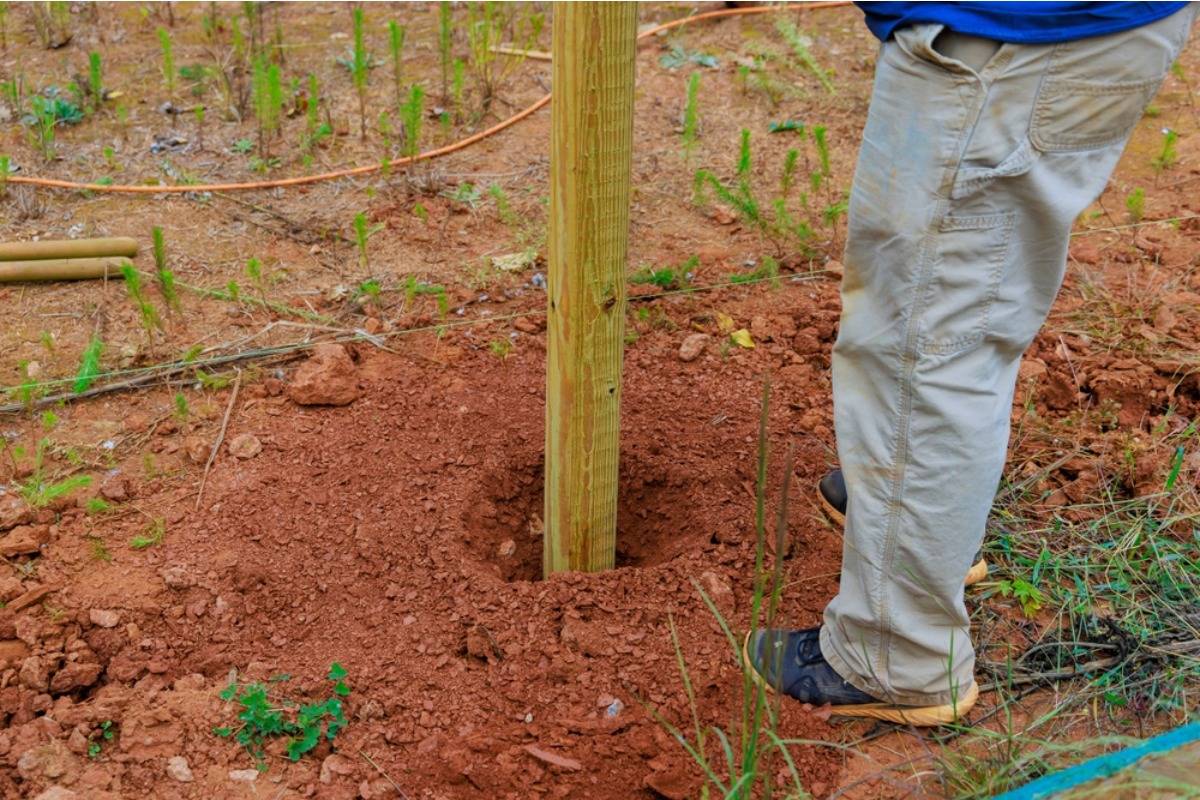
They decided to install a fence around the backyard with a single private gate leading to the beach.
It wasn’t about being unfriendly.
It was about privacy.
They wanted to be able to sit in their own yard, relax, and enjoy the space they paid for without strangers walking through it at any moment.
But as soon as construction started, the reaction came quickly.
“Can You Just Leave a Gate for Everyone?”
One neighbor came over to ask about the fence.
At first, it seemed like curiosity.
But the conversation quickly turned into a request.
Could they add a gate so condo residents could still walk through?
The homeowner said no.
That’s when the tone changed.
The neighbor explained that many people relied on that shortcut, especially families with children, and that blocking it would force them to walk an extra five minutes to the public beach access.
To the homeowner, that didn’t change anything.
To the neighbor, it changed everything.
When Convenience Turns Into Expectation
One of the biggest issues in situations like this is how quickly something optional becomes expected.
The previous owners allowed access occasionally, mostly when they weren’t even home.
But over time, people stopped seeing it as permission.
They started seeing it as a right.
So when the new owners said no, it didn’t feel like a change.
It felt like something was being taken away.
“They Said I Was Ruining Their Lifestyle”
According to the homeowner, the reaction escalated quickly.
Neighbors accused her of making life harder for families, especially those with young kids.
Some even suggested she was selfish for not continuing what the previous owners had allowed.
But from her perspective, the situation was simple.
It was her property.
And she didn’t want strangers walking through her backyard.
The Gardening Side People Don’t Always See
For gardeners and homeowners who put time into their outdoor space, this situation hits differently.
A yard like this isn’t just land.
It’s something that requires maintenance, planning, and care.
Foot traffic alone can damage grass, compact soil, and disrupt plant growth.
Over time, repeated use of a space not designed for it can wear it down completely.
And when that traffic includes people you don’t know, it adds another layer of concern.
Privacy vs. Community
At the heart of this situation is a tension that many homeowners understand.
Where do you draw the line between being part of a community and protecting your own space?
Some people believe in sharing when possible.
Others believe that boundaries matter, especially when it comes to your home.
Neither perspective is new.
But when expectations are already set, even informally, changing them can create conflict.
The Legal Reality Behind It
To make sure they were on solid ground, the homeowners checked with local authorities.
They confirmed that no one had a legal right to use the yard for beach access.
The previous owners had simply allowed it, but that didn’t carry over as an obligation.
That gave the homeowners the clarity they needed to move forward.
Still, it didn’t stop the reactions from others.
Why This Story Feels So Familiar
This situation isn’t just about one backyard.
It reflects something that happens more often than people think.
When a property is used informally over time, it can start to feel like shared space, even when it’s not.
And when new owners step in and set different boundaries, it can create tension quickly.
The Question That Divides People
At the center of this story is a simple question.
If something has been allowed for years, does that mean it should continue?
Or does ownership give someone the right to change how their space is used?
For some, the answer is obvious.
Private property is private property.
For others, it’s more complicated.
They see it as a loss of something that benefited the community.
The Takeaway for Gardeners and Homeowners
If there’s one lesson that stands out, it’s this.
Your outdoor space is yours to define.
But if that space has been used by others in the past, changing that can come with unexpected pushback.
Setting boundaries early is easier than trying to change them later.
Because once people get used to access, it’s hard for them to let it go.
The Final Thought
In the end, this situation isn’t really about a five-minute walk to the beach.
It’s about expectations, boundaries, and what people believe they’re entitled to.
And for this homeowner, the decision was clear.
No matter how others felt about it, she wasn’t willing to turn her backyard into a public path.
Even if it meant becoming the neighbor everyone was suddenly talking about.