Homeowner Says She Bought Everything for a Vegetable Garden, Then Spent a Year Trying to Figure Out Why Nothing Would Grow
For nearly two years, Claire told everyone she was going to start a vegetable garden in the sunny corner of her backyard. She had already imagined neat rows of tomatoes, climbing beans, crunchy carrots, and enough herbs to make the kitchen smell like summer. Every time someone asked when she would begin, she gave the same cheerful answer: “Soon.”
The problem was that “soon” kept moving farther away. One weekend she would blame the weather, the next she would decide she needed better soil, and then she would discover another gardening video that made the whole project sound twice as complicated. A person shared his story about watching this happen with friends and said the biggest barrier was often not lack of interest, but the fear of getting everything wrong.
One More Trip to the Garden Center
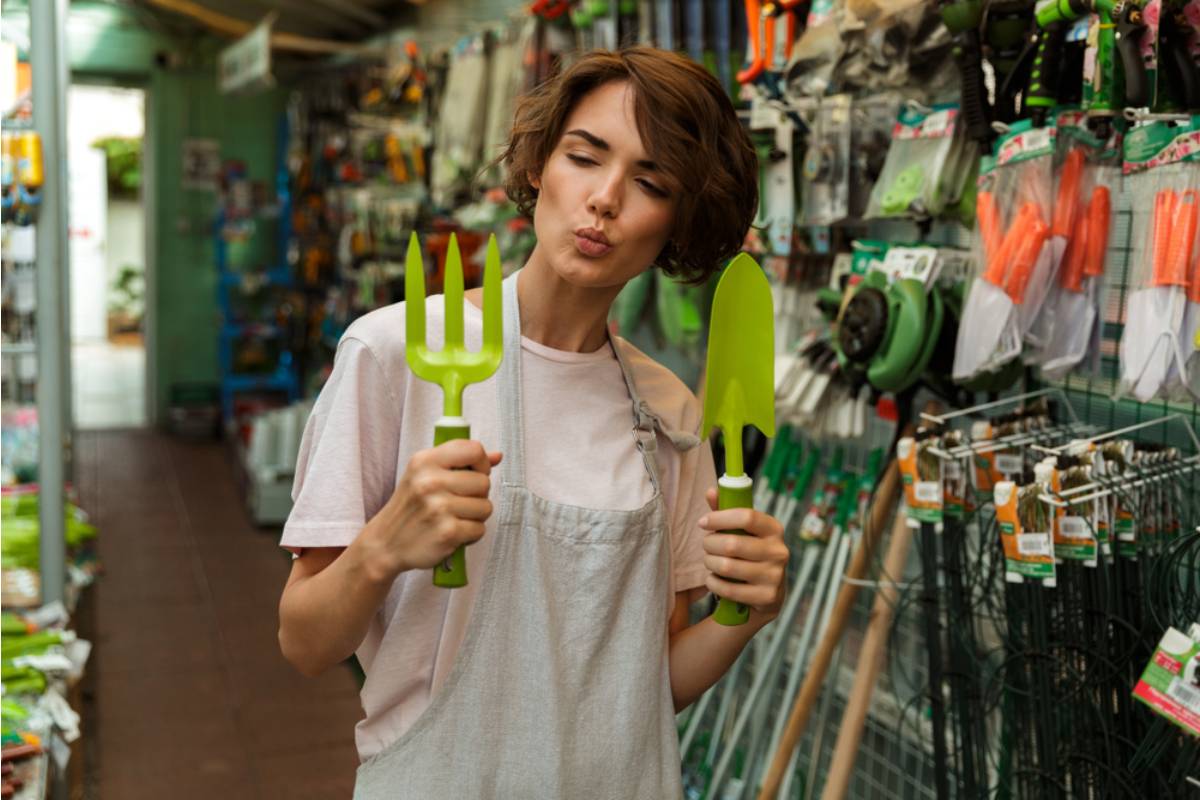
Claire finally drove to the garden center on a Saturday morning with a notebook, a coffee, and an ambitious shopping list. She came home with seed packets, pots, compost, fertilizer, gloves, stakes, a watering wand, and three different gardening books. Her husband stared at the pile in the garage and asked whether they were starting a garden or opening a small agricultural supply store.
She laughed, but secretly she was relieved because buying supplies felt easier than actually planting anything. She told herself she was preparing properly and avoiding mistakes. By Sunday night, every bag and packet was neatly organized while the garden remained exactly as empty as it had been before the shopping trip.
The First Surprise Was the Price
When Claire finally started calculating what her dream garden might cost, the number startled her. Raised beds, soil, seeds, fertilizer, irrigation equipment, and a few tools had added up much faster than she expected. Suddenly, growing a handful of vegetables seemed less like a relaxing hobby and more like a serious household project.
A response from a person described having the same hesitation after starting a first-year vegetable garden. The daily work was another concern because plants did not care whether their owner had a full-time job, a family commitment, or simply wanted to sleep in on Saturday. Claire realized that the garden did not just require money at the beginning; it required attention after the excitement wore off.
Then Came the Fear of Failure
The strangest part was that Claire was not afraid of dirt, insects, or even hard work. She was afraid of spending weeks caring for something only to watch it fail. What if the tomatoes died, the beans never climbed, or the lettuce vanished overnight?
That question became an invisible wall between her and the garden. She kept imagining the embarrassing moment when someone would ask how the vegetables were doing and she would have to admit that everything had failed. A person who had struggled with gardening for years put it more simply: sometimes people procrastinate even when they already have the tools sitting in front of them.
Her Neighbor Had a Very Different Approach
Claire’s neighbor, Tom, had never read half the gardening books she owned. He planted things almost casually, watched them closely, and moved them when they looked unhappy. His garden was not perfect, but something was always growing.
Claire asked him how he knew what to plant, and Tom shrugged. He said he had learned some things from experience and other things by killing plants. That answer annoyed her at first because she wanted a tidy formula, but she also suspected there was some truth hiding inside it.
The First Plants Went Into Pots
Rather than digging the entire backyard, Claire decided to start with three large containers. She planted herbs in one, leafy greens in another, and a few tomato plants in the third. For the first time, the garden existed somewhere other than inside her head.
The containers immediately gave her something she had been missing: feedback. One pot dried out faster than the others, one plant leaned toward a different part of the yard, and the tomatoes seemed to demand attention every time she turned around. Claire began to understand that gardening was less like following instructions and more like having a conversation with living things.
Then the Backyard Changed the Rules
The trouble came when Claire expanded into the actual garden bed. She followed the planting information on her seed packets carefully, yet the results were strangely inconsistent. One section received harsh afternoon sun while another stayed damp longer than she expected.
A response from a person who had spent years gardening explained that the conditions inside a single backyard could differ dramatically from the conditions in another. Soil, wind, shade, pests, drainage, and tiny differences in temperature could change what worked from one location to the next. Claire suddenly understood why generic advice sometimes sounded confident while producing completely different results in different gardens.
Her Tomatoes Became a Mystery
The tomatoes were supposed to be her great success story. Instead, they became the garden’s ongoing mystery, growing vigorously for a while before suddenly looking miserable. Claire adjusted watering, checked the leaves, added support, changed the soil, and practically interviewed the plants every morning.
One year produced a disappointing harvest, and she was convinced she had finally proven that she was terrible at gardening. Then the following season went almost absurdly well. The same person who once doubted every decision began joking that her tomatoes had finally forgiven her.
The Garden Game Idea Came Back
Around this time, Claire heard about a proposed cozy gardening game designed around local growing conditions. The concept was simple: players could experiment with planting, watering, spacing, pests, seasons, and soil without risking an entire real garden. Claire immediately loved the idea because she remembered how intimidating those first decisions had felt.
Still, she understood the criticism too. A game could teach concepts, but it could not perfectly recreate every backyard, storm, hungry possum, unexpected disease, or strange patch of soil. A response from a person argued that simulations can teach useful principles, while another insisted that real gardening teaches lessons no screen can reproduce.
The Argument Became Surprisingly Deep
The disagreement fascinated Claire because both sides seemed partly right. A game could teach someone that planting out of season might reduce success, while real life could teach them that the season itself sometimes behaves unexpectedly. A simulation could explain spacing and watering, but the garden could reveal that one corner dries out faster because the wind hits it every afternoon.
Claire eventually decided that confidence and experience did not have to be enemies. She liked the idea of learning the basics before making expensive mistakes, provided the lessons were treated as guidance rather than absolute rules. For the first time, she saw gardening as something that could be studied and practiced without pretending nature was predictable.
Automation Helped, But Not in the Way She Expected
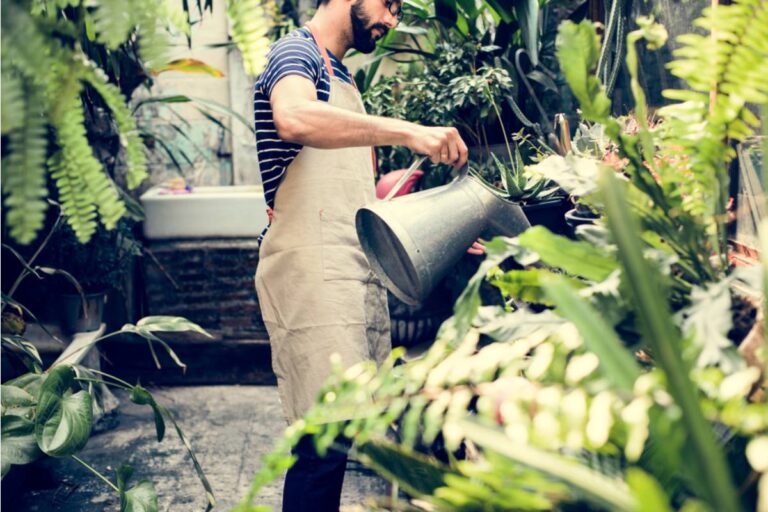
Claire eventually installed simple irrigation for the beds. At first, it felt like a miracle because she no longer had to worry about manually watering every plant. She could leave for a weekend without imagining every leaf collapsing dramatically in her absence.
Then she noticed that automation made her visit the garden less often. Without needing to check the soil every morning, she missed small changes that previously caught her attention. Her plants survived, but her understanding of the garden grew more slowly.
The Lesson Was Not to Wait Until She Felt Ready
By the end of the year, Claire had stopped keeping a giant list of everything she needed to learn before calling herself a gardener. She planted herbs, greens, peas, squash, and a few stubborn tomatoes, accepting that some would thrive and others would probably become compost. The garden became less about proving she knew what she was doing and more about noticing what happened next.
She also discovered why so many people can genuinely want a vegetable garden and still never start one. Sometimes the problem is money, sometimes time, sometimes uncertainty, and sometimes the terrifying possibility of failure. But Claire found another possibility that surprised her: the garden did not need her to be confident before she began.
Her Biggest Failure Ended Up Being Her Favorite Plant
The twist came late in the season when Claire’s carefully planned tomatoes struggled again. She was ready to pull them out when she noticed a volunteer squash plant growing beside the fence where she had never planted anything. She ignored it for weeks, assuming it would amount to nothing.
Instead, the mysterious squash covered the corner with enormous leaves and produced more vegetables than anything she had deliberately planned. Claire stood there laughing at the absurdity of it all. After spending months trying to control every detail, the plant she had done almost nothing for became the clearest proof that gardening was never going to follow her spreadsheet.
She Finally Understood Why People Start Slowly
Claire still liked the idea of gardening games, books, videos, and detailed growing guides. But she no longer expected any of them to replace the strange education that came from touching the soil and noticing what changed from one day to the next. They could help her begin with fewer surprises, while the garden supplied the surprises they could never predict.
A person shared his story about watching beginners wait for the perfect plan and said the simplest advice was often the hardest to follow: start with something manageable. Claire finally took that advice herself. Her garden was smaller than the one she once imagined, messier than the pictures in magazines, and infinitely more interesting because she had finally stopped waiting for someday.