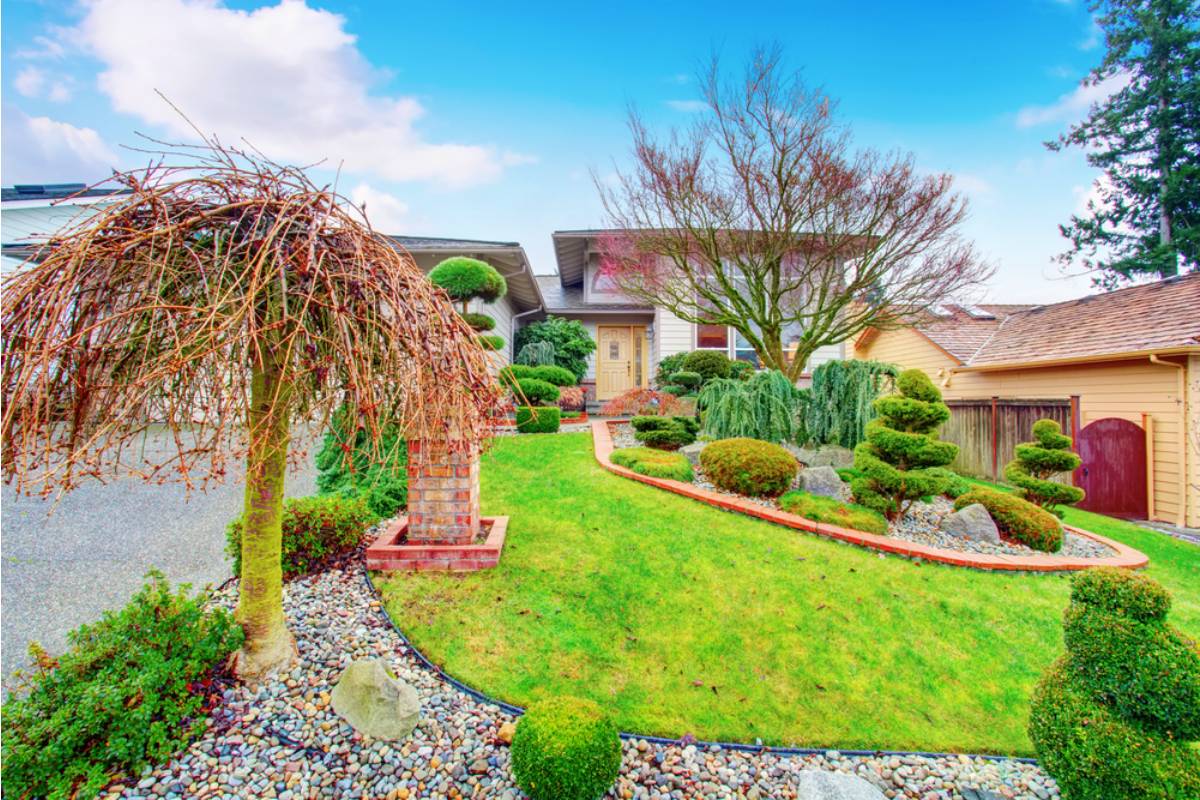
Gardener Says She Spent Four Years Perfecting Her Front Yard Cottage Garden, Then a New Neighbor Moved In and Immediately Started a Campaign to Have It Reclassified as a Weed Lot
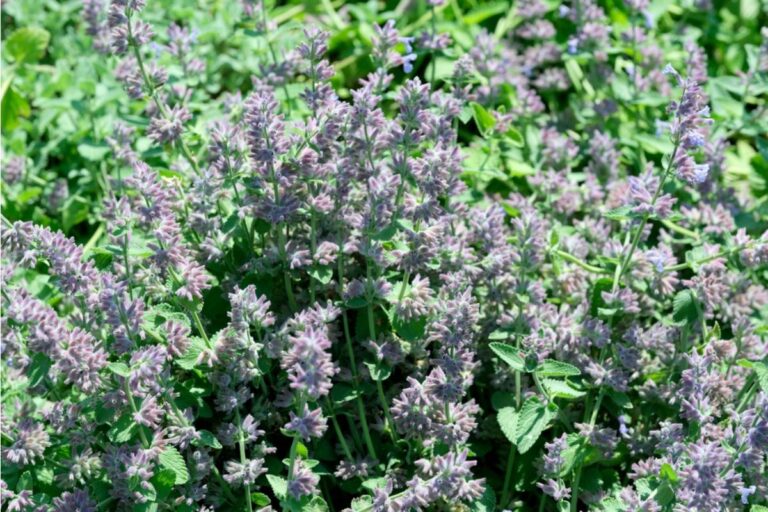
For four years, I slowly transformed my ordinary front yard into a colorful cottage garden filled with native wildflowers, climbing roses, lavender, foxgloves, and winding stone paths. Every season added something new, and neighbors often stopped during evening walks to admire the blooms.
I enjoyed creating a space that attracted butterflies, hummingbirds, and bees instead of a perfectly trimmed lawn. It became the part of my home I was proudest of. I never imagined the biggest challenge would arrive in the form of a moving truck across the street.
The First Conversation Felt Uncomfortable
A few days after moving in, my new neighbor, Linda, introduced herself while I was pulling a few weeds near the walkway. She looked around the yard for several seconds before asking if I planned to “clean it up.” I laughed because I assumed she was joking. Instead, she explained that she preferred tidy lawns with evenly cut grass and neatly shaped shrubs. Before leaving, she said she hoped the neighborhood would maintain a more uniform appearance.
Notes Started Appearing in My Mailbox
Within two weeks, handwritten notes began showing up in my mailbox without a stamp. They politely suggested trimming back flowers that leaned over the border and removing plants that looked “uncontrolled.” Although the messages were unsigned, they mentioned details only Linda had complained about. I ignored the first few because I did not want unnecessary conflict. Eventually, the notes became more frequent and noticeably less polite.
The Garden Club Could Not Believe It
I mentioned the situation during my monthly garden club meeting. Several members laughed at first because they assumed someone was confusing native flowers with weeds. After I showed them pictures of the yard, the room became quiet. One experienced gardener pointed out that many of my plants had won ribbons at local garden tours over the years. Everyone agreed the complaints made little sense.
An Official Letter Arrived
One afternoon, I opened my mailbox and found an envelope from the city’s code enforcement office. Someone had filed a complaint claiming my property had become an overgrown weed lot. My stomach dropped as I read through the inspection notice. It required a visit from an inspector the following week. I realized the disagreement had moved far beyond unpleasant conversations.
The Inspection Took an Unexpected Turn
The city inspector arrived carrying a clipboard and camera. He walked slowly through the front yard, asking about different flowers and taking photographs of plant labels I had left near several beds. After nearly half an hour, he smiled and admitted he had expected something entirely different based on the complaint. He explained that well maintained ornamental gardens were treated very differently from neglected properties. Before leaving, he thanked me for clearly identifying many of the native plants.
More Complaints Kept Appearing
I thought the inspection would settle everything, but Linda refused to let the issue go. Over the next month, additional complaints were filed claiming the garden blocked visibility, attracted pests, and lowered nearby property values. Each allegation required another review. The repeated visits became exhausting even though every inspection ended with the same conclusion. My neighbors started asking why city vehicles kept stopping at my house.
The Street Finally Spoke Up
One Saturday morning, several longtime neighbors gathered outside while I was watering the flowers. Without me asking, they began sharing stories about how much they enjoyed walking past the garden every spring. One family said their grandchildren always asked to visit because they loved watching butterflies among the flowers. Another neighbor mentioned how many people stopped to take pictures during peak bloom. Hearing those comments reminded me that one person’s opinion was not the neighborhood’s opinion.
A Community Meeting Changed Everything
The homeowners association scheduled a meeting after hearing about the ongoing dispute. Linda argued that front yards should follow a cleaner and more traditional appearance. Before I even stood up to speak, three other homeowners defended the garden. One neighbor brought printed photos showing the yard in bloom throughout the year. Another explained that visitors regularly complimented the street because of the colorful landscaping.
An Unexpected Visitor Walked Through the Gate
A representative from the county’s native plant organization contacted me after hearing about the controversy through another gardener. She asked if she could tour the property and offered suggestions for expanding pollinator friendly areas. As we walked through the garden, several neighbors joined the conversation. The visit turned into an informal educational tour. Linda watched quietly from across the street but never came over.
Recognition Changed the Conversation
A few weeks later, my garden was featured during a neighborhood landscaping event. Visitors admired the flowers, asked questions, and took notes about plants they wanted to grow at home. Several people mentioned hearing rumors that the yard had been reported as a weed lot. After seeing it in person, they laughed because the claim seemed impossible. The attention completely changed how the story spread through the community.
One Final Complaint Backfired
Linda submitted another report shortly after the garden event. This time, the inspector recognized the address immediately and reviewed the previous inspection records before visiting. After another brief walk through the property, he closed the complaint without finding any violations. He also documented that the landscaping was intentionally maintained and fully compliant with local standards. That decision made it much harder for repeated complaints to move forward.
The Flowers Stayed Right Where They Belonged
Today the cottage garden continues to grow with each passing season. New blooms replace old ones, butterflies return every year, and neighbors often stop to chat while walking past the front yard.
Linda eventually stopped mentioning weeds altogether, although she still keeps her lawn perfectly trimmed. We politely wave when we see each other, but the garden remains exactly as I designed it. Four years of careful work survived every complaint, proving that beauty sometimes needs patience as much as sunshine.