Homeowner Says Sidewalk Workers Cut Through a Seven-Inch Root of Her 120-Year-Old Sequoia, Then an Arborist Arrived With an Unexpected Assessment
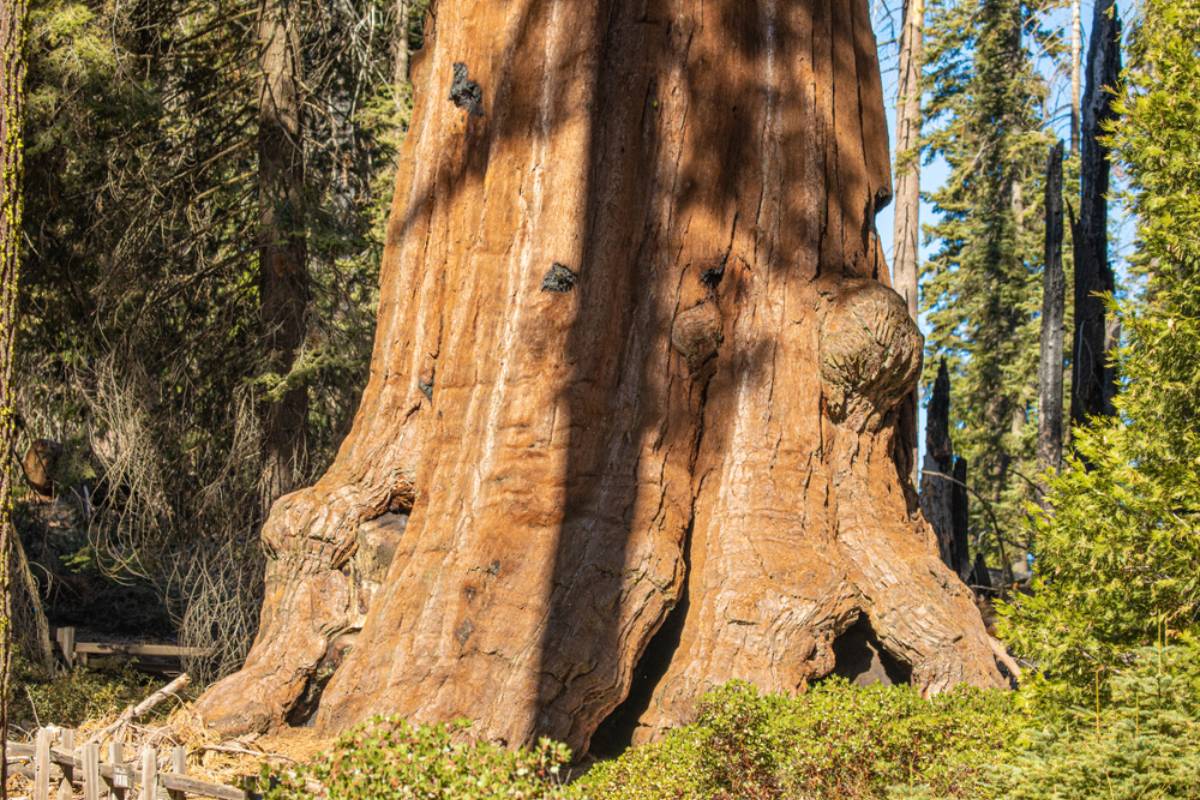
A person shared his story after what should have been a routine sidewalk repair turned into a frightening situation involving one of the most important trees in the neighborhood. Standing roughly 15 feet from the trunk was an enormous Giant Sequoia, estimated to be about 80 feet tall and 120 years old. The tree was not just another piece of landscaping, either, because the homeowner described it as irreplaceable and deeply special to the surrounding community.
The sidewalk workers had a straightforward job to complete, but there was one instruction that mattered more than everything else. The homeowner had taken time to explain that the tree’s roots were not supposed to be cut. In fact, the homeowner had even agreed to make the concrete work longer so another large root could be avoided.
Then the Workers Found a Root They Could Not Ignore
Despite all those precautions, the repair crew eventually encountered a massive root beneath the work area. According to the homeowner, it was about seven inches thick and appeared to be feeding the enormous sequoia. The root was located approximately 15 feet from the trunk, making the discovery particularly alarming for someone already worried about protecting the old tree.
The homeowner had spoken to the workers about avoiding roots only about an hour earlier, which made the discovery even more frustrating. A decision that might have looked small from a construction standpoint suddenly felt enormous from the garden gate. One cut had turned an ordinary sidewalk project into a tense waiting game.
Seven Inches of Root Suddenly Became the Whole Story
A seven-inch root is difficult to overlook, especially when it belongs to a tree that has been growing for more than a century. The homeowner immediately began worrying about what the damage could mean years down the road. The most unsettling part was that tree damage does not always announce itself immediately with a dramatic collapse or a pile of dead leaves.
That uncertainty was exactly what made the situation so stressful. The homeowner knew the tree could look perfectly normal for a long time while hidden problems developed underground. Instead of being able to admire the sequoia, the homeowner was suddenly thinking about every possible consequence of one careless cut.
The Exposed Roots Became the Next Problem
After the cutting stopped, the homeowner began focusing on protecting the exposed roots. The area was already experiencing very dry conditions, so there was concern that leaving the roots exposed for an extended period could make the situation worse. The homeowner said they were watering the exposed area daily while waiting for a proper inspection.
That waiting period created its own kind of drama. There was no instant way to know whether the giant tree would shrug off the injury or suffer consequences much later. Every dry afternoon suddenly mattered, and the simple patch of disturbed ground became something the homeowner watched closely.
A City Inspection Was Suddenly on the Calendar
The homeowner was waiting for a city roots inspection to determine what should happen next. There was also discussion that the contractor had been expected to obtain a permit and inspection before cutting such a large root in a public right-of-way. That detail added another layer to an already messy situation.
The homeowner also heard talk of possible damages, but the idea of putting a price on the tree felt almost absurd. A century-old sequoia cannot simply be replaced with another 120-year-old sequoia from a garden center. Even if a financial figure could be calculated, it would never capture the sentimental value of the tree to the homeowner and neighborhood.
One Response From a Person Changed the Focus
A response from a person who identified as a municipal arborist offered a different way of looking at the problem. Rather than assuming the tree was doomed, the person emphasized that the damage had already happened and the priority should be preventing additional harm. The response suggested stopping the work and figuring out a safer way forward before more construction continued.
That advice gave the homeowner something more useful than a prediction about the tree’s future. It created a clear reason to pause and protect the area while professionals assessed the damage. Suddenly, the goal was no longer simply to determine whether the tree would survive, but to keep the sidewalk project from turning one injury into several.
The Concrete Could Have Created Another Headache
The response also raised a concern the homeowner may not have considered at first: what could happen when the concrete work continued. The person warned that material from the concrete pour should not be allowed to reach the exposed root area. The concern was that the tree could potentially suffer additional stress if the surrounding conditions were handled poorly.
For a homeowner already nervous about one severed root, the thought of another problem arriving during the repair was enough to make the situation even more complicated. The sidewalk could no longer be treated as a simple construction zone. It had become a delicate space where the tree, the roots, the soil and the concrete all needed to be considered together.
Cardboard Suddenly Had an Important Job
The homeowner was told that the exposed area could be covered with materials such as burlap or cardboard and kept appropriately moist. It sounded almost comically simple compared with the size of the tree involved, but basic protection suddenly became important. The homeowner happened to have plenty of cardboard available and planned to use it that night.
The dry weather made the advice feel even more urgent. Instead of leaving the roots exposed to heat and drying conditions, the homeowner wanted to give them some protection while waiting for professional guidance. A pile of ordinary cardboard had gone from household clutter to temporary tree-care equipment.
The Homeowner Started Calling the Professionals
Another response from a person pointed toward getting a reputable tree-care company involved in creating a proper assessment and treatment plan. The homeowner said one such company was already on the call list for the following day. That was an important turning point because the homeowner was no longer relying entirely on guesswork.
The response also suggested that multiple assessments could be useful so the city could understand the extent of the damage and establish a schedule for checking the tree over time. For an old specimen, one inspection on one afternoon could not necessarily answer every question. The homeowner wanted something more reassuring than a quick glance, especially when the tree’s future could unfold over years.
More Than One Arborist Had a Different Perspective
As more people weighed in, the story took an unexpected turn. One response from a person warned that cutting a major stabilizing root could create a future fall concern, while another response pushed back against that conclusion. The second person explained that a single seven-inch root does not automatically mean an enormous sequoia will become unstable because trees can have multiple substantial roots supporting them.
That disagreement revealed why professional assessment mattered so much. From the outside, the situation could sound catastrophic or almost harmless depending on who was talking. The homeowner did not actually need a dramatic prediction from a stranger, though, and instead needed someone who could examine the specific tree and the full extent of the damage.
The Tree Had Been Part of the Neighborhood for Generations
There was another reason the homeowner was so anxious that had little to do with technical arboriculture. This was a huge, mature sequoia that had been standing there for roughly 120 years. For the homeowner, it was not simply a tree occupying a strip of land beside a sidewalk.
The tree had become part of the neighborhood itself, which made the thought of losing it especially difficult. A young replacement tree could eventually grow large, but it could never recreate the exact history of the existing one. That emotional weight explained why a single root cut felt like such a major event.
The Waiting Was Almost as Hard as the Damage
While the professionals were being contacted, the homeowner was left with an uncomfortable task: wait and watch. The exposed roots were being cared for, but there was no way to fast-forward several years and see whether the sequoia would remain healthy. That uncertainty became a major part of the story.
The homeowner even acknowledged that consequences from this kind of damage could take years to become obvious. That meant there was no dramatic ending available at the beginning of the ordeal. The story had to move through inspection, observation and time before anyone could know what the cut really meant.
Then the City Arborist Arrived
Eventually, the city arborist came out to inspect the tree. After looking at the situation, the arborist did not foresee a long-term issue. For a homeowner who had spent days imagining every possible outcome, those words changed the entire mood of the story.
The inspection did not magically undo the damaged root, but it provided the professional assessment the homeowner had been waiting for. The enormous sequoia was still standing, the sidewalk problem was being dealt with, and the worst fears were no longer the only possible ending. After all the anxiety, the tree had finally received an expert look.
The Scary Predictions Were Not the Final Chapter
The homeowner later said the tree was considered likely to be okay and thanked the people who had offered their experiences. One response from a person reminded the homeowner to place more trust in the arborist who had actually inspected the tree than in dramatic predictions made from a distance. It was a useful reminder that tree health can be far more complicated than a single alarming photograph might suggest.
The homeowner agreed that the tree was simply too special not to investigate every possibility. That line may have been the heart of the entire story, because the concern was never really about winning an argument over the sidewalk. It was about making sure a remarkable piece of living history received every reasonable chance to keep growing.
A Sequoia, a Sidewalk and a Surprisingly Calm Ending
What began with a seven-inch root being cut beneath a sidewalk eventually ended with a professional inspection that offered reassuring news. The homeowner still had every reason to take the incident seriously, but the final assessment was much less dramatic than some early reactions suggested. Instead of a doomed tree, the story ended with an old sequoia that, according to the city arborist, was not expected to face a long-term problem from the incident.
The episode also showed just how quickly an ordinary gardening and home-maintenance project can become a story about patience, caution and the value of professional advice. A sidewalk crew may have seen a root in the way, but the homeowner saw part of a living landscape that had survived for generations. In the end, the most important twist was not that the tree had been damaged, but that after all the worry, careful attention and expert inspection, the 120-year-old giant still had its future ahead of it.