Homeowner Says a Neighbor Trimmed His Tree Over Her Parents’ Garden, Then Let the Falling Branches Smash Their Flowers and Vegetables
A person shared his story about his elderly parents, whose relationship with a neighbor had already become strained after a disagreement involving an underground electrical system. What had once been an ordinary neighborly relationship had apparently turned into a much more personal feud.
Then the trees got involved, and suddenly the family had a very different problem growing in their backyard.
The Neighbor Decided It Was Time for a Trim
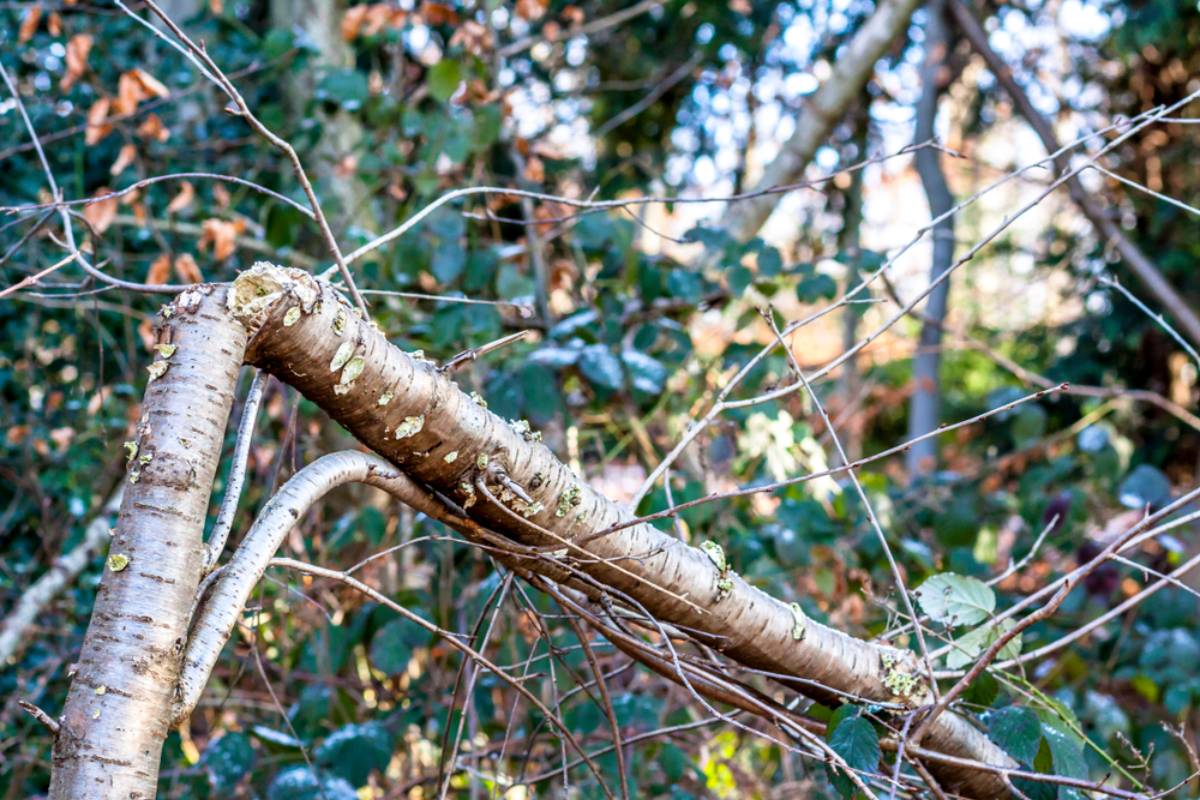
One day, the neighbor climbed into a tree on his own property and began cutting away branches. Many of those branches stretched over the parents’ yard, hanging directly above the garden.
At first, it may have looked like a routine bit of tree maintenance. The trouble came when the branches started coming down.
The Garden Took the Hit
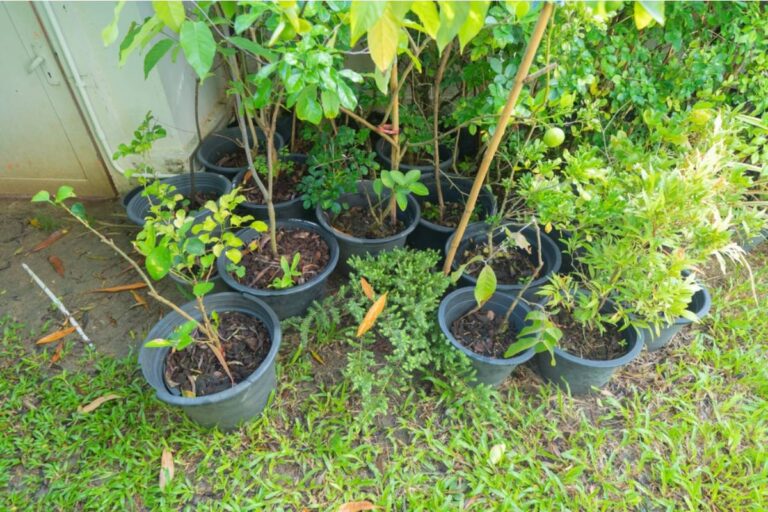
Instead of carefully controlling where the trimmed branches landed, the cut limbs fell across the family’s yard. Several vegetable beds and flower gardens were damaged in the process.
For people who spend an entire growing season nurturing tomatoes, flowers, and other plants, watching heavy branches crash into those beds is the kind of gardening disaster nobody wants to witness.
It Wasn’t Just About the Plants
The person explained that the damaged garden was only the latest chapter in an increasingly difficult relationship. His parents had already tried talking with the neighbor about another issue involving trash being dragged across their side of the property.
Those earlier conversations apparently went nowhere. Now, with garden beds damaged as well, the family was looking for a more formal way to document what was happening.
The Question Hanging Over the Garden
That left them with a deceptively simple question: can a neighbor trim branches from a tree that extend over someone else’s yard?
The person believed the situation had crossed a line because the trimming had caused physical damage to his parents’ property. He was considering documenting everything and contacting law enforcement as a possible next step.
A Response From a Person Offered a Different Perspective
A response from a person pointed out that a neighbor generally can trim branches from a tree on his own property. But the response also argued that things could become more complicated when the cutting causes damage on the other person’s property.
According to that response, the family could potentially pursue compensation through small claims court, although collecting any judgment could become its own headache.
Then There Was the Trespassing Issue
The response also made an important distinction between trimming a tree and stepping onto someone else’s property. If the neighbor actually crossed onto the parents’ yard without permission, the situation could involve a separate issue from simply cutting branches.
That made documenting the events especially important. Dates, photographs, damaged plants, fallen branches, and any evidence showing exactly where the work happened could help create a clearer record.
The Garden Became the Evidence
For gardeners, one advantage in a situation like this is that damage often leaves a surprisingly detailed trail. Broken stems, crushed flower beds, snapped branches, disturbed soil, and fallen limbs can all show what happened after the fact.
Taking photographs before cleaning everything up can make the garden tell the story for you. What looks like a pile of branches to one person can become much more meaningful when there is a clear record of what was underneath them.
Their Previous Conversations Suddenly Mattered
The family’s history with the neighbor also added another layer to the story. They had already attempted civil conversations about the trash issue, suggesting this wasn’t the first time they felt their property boundaries had been ignored.
That history may explain why the family was no longer interested in another casual conversation over the fence. After repeated disagreements, even a tree trimming can feel like the latest move in a much larger neighborhood battle.
Florida Added Another Piece to the Puzzle
The person said the family was located in Florida, where questions about trees, property damage, and responsibility can depend heavily on the circumstances. A tree standing on one person’s property can create a completely different dispute when its branches extend across the boundary.
That is why the family wasn’t simply asking who owned the tree. They were trying to figure out who might be responsible for what happened to everything beneath it.
What Happened to the Garden May Have Been the Turning Point
A damaged flower bed can be repaired, and vegetables can sometimes be replanted. But once a property dispute reaches the point where someone’s garden is being crushed by falling branches, the relationship between neighbors can become much harder to repair.
The story also shows why homeowners may want to think about documentation before a neighborhood disagreement becomes a full-blown battle. A garden can take months to create, while destroying part of it can happen in minutes.
One Tree Turned a Neighborhood Feud Into a Bigger Story
What began with an argument over an underground electrical system eventually spilled into trash, property boundaries, tree branches, and damaged garden beds. The tree may have been the center of the latest incident, but the real story was how quickly unresolved neighborhood tension can spread into every corner of a property.
And for these parents, the most frustrating part may not have been the branches themselves. It may have been realizing that their carefully tended garden had become another casualty in a dispute that had already been growing for quite some time.