Homeowners Let Wild Trees Grow Along Their Neighbor’s Fence for Privacy, Then the Neighbor Demanded They Cut Them Down After Years of Enjoying the Green Barrier
A person shared his story about a surprisingly complicated dispute with a neighbor over a patch of greenery that had appeared naturally along a backyard fence. What began as a few unwanted plants gradually turned into a leafy screen that offered privacy between the two properties. For years, the homeowners had pulled up the weeds, keeping the area relatively clear without giving it much thought. Eventually, though, they decided to let some of the fast-growing plants remain, and that simple choice would cause an unexpected neighborhood headache.
The Fence Was Built Short of the Property Line
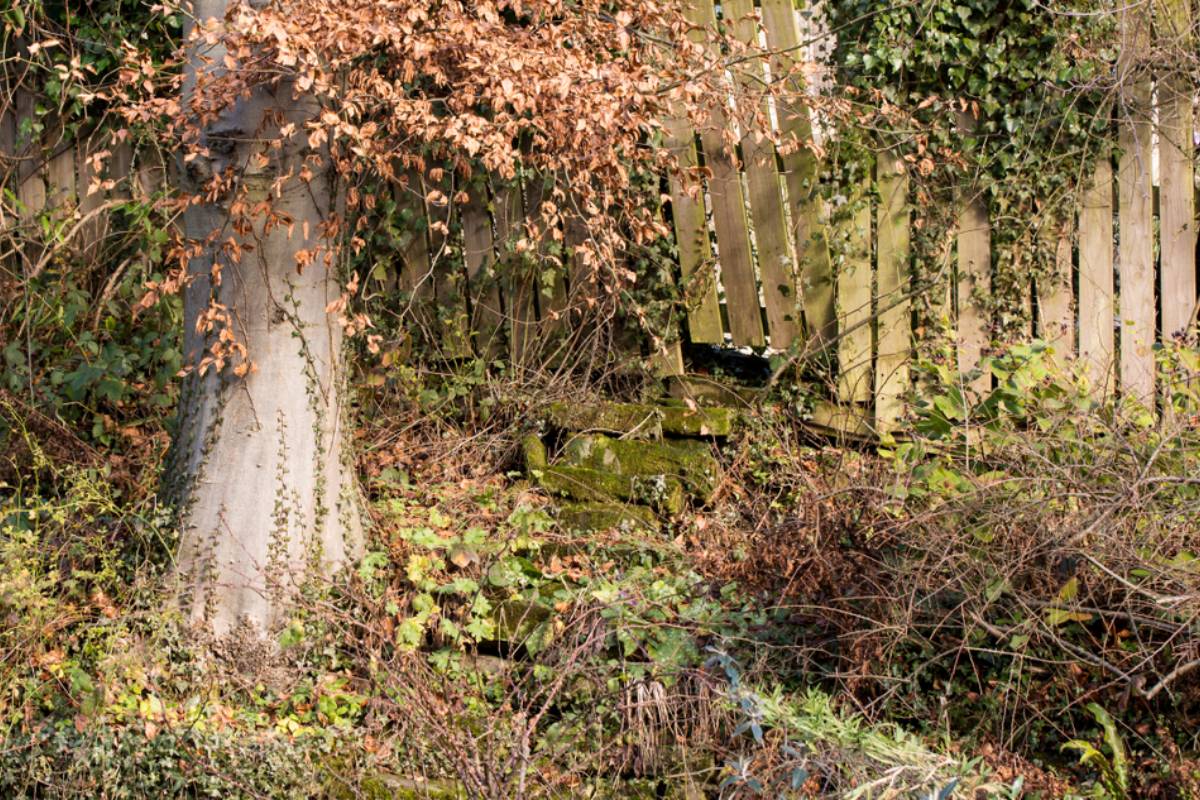
The neighbor had a fence surrounding his backyard, but it reportedly stood about a foot inside the actual property boundary. That narrow strip of land left room for weeds and small trees to grow on his side of the fence, creating a green buffer between the two yards. Rather than treating the plants as a nuisance, the homeowners gradually came to appreciate the extra privacy they provided. The arrangement seemed harmless until the neighbor decided the greenery had become a problem.
Nobody Had Planted the Trees in the First Place
According to the homeowner, the trees had appeared on their own rather than being deliberately planted by the household. The plants simply grew, and the family eventually stopped removing them as they became useful for screening the neighboring property. This distinction became central to the disagreement because the neighbor believed the homeowners had intentionally planted the trees. The family disputed that claim, leaving both sides arguing over who should take responsibility for vegetation nobody remembered putting there.
The Green Barrier Became a Welcome Source of Privacy
Anyone who has lived in a closely spaced neighborhood understands the appeal of a natural privacy screen. A row of leafy plants can soften the appearance of a fence, provide habitat for small wildlife, and make a backyard feel less exposed. The homeowners had spent years removing the unwanted growth, but allowing it to remain eventually offered a benefit they had not anticipated. What started as ordinary weeds had become a useful green boundary between neighboring homes.
The Homeowners Had Already Spent Years Pulling Up Weeds
Before deciding to let the plants grow, the family had reportedly spent years pulling up unwanted vegetation in that narrow strip. Their decision to stop was not presented as a grand landscaping project or an attempt to create a new hedge. Instead, the plants were allowed to stay, and the family grew accustomed to the privacy they provided. From their perspective, the neighbor’s later demand felt particularly frustrating because the greenery had appeared naturally and had not been deliberately installed as a garden feature.
Then the Neighbor Demanded That the Trees Be Removed
The peaceful arrangement changed when the neighbor began insisting that the trees had to go. His concern was that the growing vegetation was putting pressure on his fence, potentially causing damage to the structure. He wanted the homeowners to cut the trees down because he believed they had planted them in the first place. Suddenly, a strip of greenery that had quietly existed for years became the center of a disagreement about responsibility, property boundaries, and garden maintenance.
The Homeowners Refused to Take Responsibility for His Side
The homeowners responded by pointing out that the plants were growing on the neighbor’s side of the property line. Their position was straightforward: if he wanted the vegetation removed, he could arrange to have it taken care of himself. They did not believe they should be expected to perform the work simply because the neighbor suspected them of planting the trees. The dispute had moved beyond gardening preferences and into a question of who should maintain a piece of land that did not belong to them.
Other Neighbors Offered a Different Explanation for the Growth
The homeowners also mentioned that other neighbors believed the plants might be connected to a root system originating from a property farther down the row of houses. If that explanation was correct, the vegetation could have spread naturally from elsewhere rather than being introduced by the household involved in the dispute. However, the exact origin of the plants had not been conclusively established in the account. That uncertainty made the neighbor’s insistence that the homeowners had planted them even more difficult to resolve.
The Fence Problem Turned a Gardening Issue Into a Property Dispute
A fence can seem like a simple boundary until trees, roots, and ownership enter the picture. In this case, the neighbor was worried about pressure on his fence, while the homeowners believed the vegetation was growing on land that belonged to him. Neither side appeared willing to accept the other’s explanation, leaving a relatively small strip of ground to create a surprisingly large disagreement. What made the situation especially awkward was that the plants had not originally been part of anyone’s deliberate landscaping plan.
A Response From a Person Supported the Homeowners’ Position
A response from a person argued that the neighbor should be responsible for maintaining the land on his side of the property boundary. The reasoning was that ownership does not necessarily end at the fence itself, especially when a fence has been installed several inches or feet inside a property’s actual limits. Other responses similarly questioned why the homeowners should be expected to remove plants they said they had never planted. The general sentiment was that the neighbor’s concerns about his fence did not automatically make the vegetation someone else’s responsibility.
Some People Warned That Cutting the Trees Could Create Another Problem
Another response from a person raised an important caution: depending on local laws and the precise property boundaries, cutting down vegetation on someone else’s land could create legal complications. That warning introduced another layer to an already uncomfortable situation. Even if the homeowners wanted to end the disagreement by removing the plants, doing so without permission might create a different problem altogether. Sometimes, the simplest-looking gardening solution is not the safest one when ownership is disputed.
A Property Survey Could Help Settle the Argument
One possible way forward would be to confirm the property boundary using an accurate survey or official property records. That could help establish exactly where the fence sits and which land the trees occupy. If the fence was built inside the neighbor’s property, he could then consider his options for maintaining that strip without asking the other household to do the work. A clear understanding of the boundary could replace competing assumptions with facts, making it easier for both sides to decide what happens next.
The Homeowners Were Left With an Awkward Choice
The family now faced an uncomfortable question: should they remove the plants simply to restore peace with the neighbor, or stand firm and leave the vegetation alone? Cutting everything down might temporarily reduce the tension, but it could also mean accepting responsibility for a problem they did not believe they had caused. Leaving the trees in place, on the other hand, could prolong an already frustrating relationship with the person next door. The situation showed how even an unplanned patch of greenery can become a source of stress when neighbors disagree about who should maintain it.
The Real Twist Was That Nobody Had Intentionally Planted the Trees
The most frustrating detail was that the entire argument revolved around an accusation the homeowners denied from the beginning. The plants had grown naturally, and the family had simply stopped pulling them up after years of removing weeds. Their decision to let the greenery remain eventually created a privacy screen, but the neighbor saw the same plants as a threat to his fence. What one household viewed as useful landscaping, the other viewed as an expensive maintenance problem.
When Garden Boundaries Become Neighbor Boundaries
This dispute is a reminder that garden maintenance can become complicated when fences and property lines do not match up. Trees and shrubs may spread naturally, but their roots and branches can still create real concerns for nearby structures. Before removing disputed vegetation or accepting responsibility for damage, homeowners should establish the boundary, document the problem, and check the rules that apply in their area. In the end, a little communication and a clear understanding of ownership may accomplish more than an argument over a few unwanted trees.