Homeowners Say Their Neighbor Secretly Poisoned Their Fence-Line Palms and Shrubs for Years, Then an Arborist Found Drill Holes in the Trees and the Neighbor Finally Admitted Why He Did It
A person shared his story about a troubling dispute with a neighbor that had turned a peaceful backyard into a place of suspicion. The homeowners had been dealing with damaged plants along their shared fence line, but the problem seemed to go far beyond ordinary gardening mishaps. What initially looked like a series of unfortunate accidents eventually began to resemble a deliberate campaign against their greenery.
The situation was especially upsetting because the affected plants were growing on the homeowners’ side of the boundary. Trees and shrubs can take years to establish themselves, providing privacy, shade, and a little natural beauty in an otherwise ordinary yard. Watching them deteriorate without understanding why was frustrating enough, but the possibility that someone nearby was responsible made the situation considerably worse.
The First Warning Came Before They Even Settled In
The trouble reportedly began around three years earlier, when the homeowners first moved into the property. Sometime between the final inspection and their arrival the following morning, three golden cane palms had been cut down. It was an alarming introduction to the neighborhood, although they had no immediate way to establish who was responsible.
Those palms were only the beginning of the story, and the homeowners would eventually have more reasons to worry about their remaining plants. A fence line can become a surprisingly complicated place when neighboring properties have competing ideas about trees, roots, and maintenance. What should have been a simple boundary between two gardens was becoming the setting for an increasingly unpleasant mystery.
Three Shrubs Were Suddenly Cut Down
Around July of the previous year, the homeowners returned from a week away to discover another disturbing change. Three shrubs growing along the fence had been chopped down to approximately fence height, leaving behind an unnaturally tidy line of damage. The plants had not simply been trimmed into a pleasing shape, and their condition suggested that something more serious had happened.
The homeowners also noticed a green substance painted onto the freshly cut surfaces, which they suspected was a weedkiller. Since the substance appeared directly on the damaged plants, the possibility of intentional poisoning became difficult to ignore. The shrubs subsequently died or continued to decline, turning what had once been a green boundary into a growing source of concern.
The Family Had More Than Plants to Worry About
The suspected chemical use made the situation especially troubling because the household included a toddler and free-ranging chickens. A damaged shrub was one problem, but an unknown substance around the garden raised questions about whether other members of the household could be exposed. The homeowners wanted to understand exactly what had been applied and where it had been used.
This was no longer just an argument about whether a neighbor liked the appearance of certain plants. A garden can be a shared living space for children, pets, and wildlife, making unexplained chemical use particularly concerning. The homeowners needed answers, and they decided that ignoring the situation was no longer a sensible option.
A Letter Was Left in the Neighbor’s Mailbox
The homeowners initially tried to speak with their neighbor by knocking on his door, hoping a direct conversation might clear things up. When nobody answered, they returned home and wrote a letter explaining that they believed their plants had been poisoned. They also requested a response by the following Monday confirming where the suspected chemical had been applied.
The letter made the concerns unmistakable, particularly the mention of a toddler and chickens roaming around the property. Rather than simply accusing someone and walking away, the homeowners were asking for information that could help them understand the potential risks. They wanted to know what had happened to their garden and whether the surrounding area could still be considered safe.
The Neighbor Appeared Sooner Than Expected
The letter produced a response much sooner than the homeowners might have anticipated. According to their account, the neighbor came over on the very day the letter was placed in his mailbox. What followed was a conversation that changed the situation from a troubling suspicion into something far more concrete.
The homeowners said the neighbor essentially admitted to poisoning the trees. He explained that their roots were causing problems because they extended underneath the fence into his property. Suddenly, the mystery surrounding the dying greenery had an explanation, although it was hardly the resolution the homeowners had hoped for.
The Real Motive Was Hidden Beneath the Fence
The dispute apparently centered on the roots growing beneath the boundary rather than the visible branches and leaves above it. From the neighbor’s perspective, the roots were causing issues on his side, giving him a reason to want the trees removed. For the homeowners, however, the existence of a problem with the roots did not make secretly damaging their plants any less upsetting.
Tree roots can create genuine disagreements between neighbors, particularly when established palms and shrubs grow close to fences, paths, or structures. But a conversation about trimming, removing, or managing troublesome plants could have taken place before the greenery was damaged. Instead, the homeowners were left dealing with the consequences of actions they said they had not authorized.
An Arborist Discovered the Most Suspicious Detail
The latest incident came to light when the homeowners arranged for a tree surgeon to provide a quote for removing three large palms. One of the palms had lost its crown during a major storm in December, so an inspection was already necessary. While examining the trees, the professional noticed that another palm also appeared to be dying.
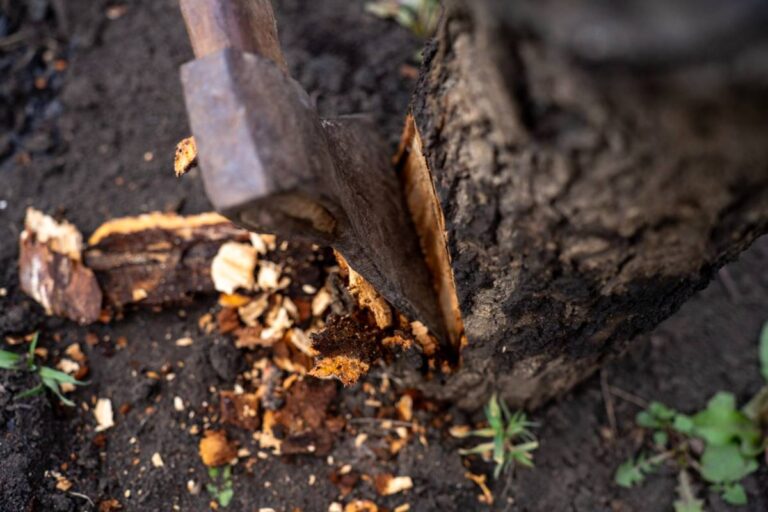
The tree surgeon then spotted drill holes in two of the palms that were consistent with intentional poisoning. He reportedly believed the holes were relatively recent, dating from within the previous few months, and that the damage had been carried out from the homeowners’ side of the fence. This discovery gave the homeowners a new reason to suspect that the earlier incidents were part of a continuing pattern rather than unrelated gardening problems.
The Damage Was No Longer Easy to Dismiss
Drill holes in a tree can look very different from the damage caused by storms, drought, or ordinary disease. In this case, the professional’s observations raised serious questions about how the trees had been treated and why they were declining. The homeowners now had an expert’s assessment to consider alongside their earlier experience with the cut shrubs.
The discovery also complicated the question of what should happen next. Removing a large palm can be expensive, and replacing an established tree is not as simple as buying a small plant from a nursery. Before deciding how to proceed, the homeowners needed to consider the cost of removal, the evidence of damage, and the possibility that other plants could be affected.
The Neighbor Apologized, but the Problem Remained
During their conversation, the homeowners explained that they would probably have been willing to discuss removing some of the shrubs if the neighbor had approached them first. They said they were open to reasonable changes along the boundary and encouraged him to talk to them in the future. The neighbor reportedly agreed and apologized for what had happened.
That apology offered a possible opening for a more civil relationship, but it did not undo the damage already done. The palms still needed attention, some shrubs had died or were dying, and the homeowners were left considering whether further action was necessary. A peaceful conversation was welcome, yet it did not automatically settle questions about responsibility or compensation.
Some People Recommended Gathering Evidence
A response from a person suggested that video footage showing someone entering the property and damaging the trees could help establish what had happened. Another response recommended keeping a recording of the neighbor acknowledging his actions, provided any recording was lawful in the relevant Australian state or territory. These suggestions reflected a practical concern: evidence can become important when a dispute moves beyond a conversation between neighbors.
Photographs of the damaged plants, written records of conversations, professional assessments, and invoices could also help the homeowners document the situation. Rather than relying entirely on memories of what was said, a clear timeline would make it easier to explain the sequence of events. If the matter eventually required formal intervention, having organized records could be more useful than trying to reconstruct everything months later.
Others Suggested Cameras and Contacting Authorities
Another response from a person recommended reporting the suspected property damage to the police and considering security cameras to discourage further incidents. The idea was to make any future activity around the fence line easier to document instead of leaving the homeowners guessing about what might happen while they were away. For people who have already experienced repeated damage, that extra visibility can offer some peace of mind.
Others suggested contacting the local council or seeking appropriate legal advice before deciding whether to pursue compensation. The best route can depend on the location, the circumstances of the damage, and the evidence available, so the homeowners would need to check the rules applicable to their property. What mattered most was finding a way to protect the remaining garden without allowing the disagreement to escalate unnecessarily.
The Cost of Removing the Palms Became Another Concern
The homeowners were already seeking a quote to remove three large palms, and the inspection had revealed that another tree might also be in trouble. That meant the decision was not simply about whether to replace a few shrubs or tidy up the fence line. Large trees can require specialist equipment and professional removal, especially when their condition or position creates additional risks.
The homeowners wondered whether they should arrange the removal first and then try to recover the costs through the appropriate Queensland Civil and Administrative Tribunal process, commonly known as QCAT, or another suitable avenue. That question was part of their wider uncertainty about what to do next. They wanted to address the immediate gardening problem while also considering whether the neighbor should be held financially responsible for the damage.
A Root Problem Turned Into a Much Bigger Neighborhood Dispute
At the heart of the story was a problem that might originally have been solved through an ordinary conversation about troublesome roots. The neighbor apparently wanted to prevent the trees from causing issues on his side of the fence, while the homeowners were willing to discuss removing some plants if necessary. Instead, the situation developed into repeated damage, suspected poisoning, and concerns about the cost of restoring the garden.
The story also highlighted how quickly a boundary dispute can affect more than the plants themselves. Established trees provide shade, privacy, and character, while shrubs help create a natural barrier between neighboring homes. When those features are damaged without agreement, the financial loss can be accompanied by a lingering sense that one’s own backyard is no longer entirely secure.
The Homeowners Now Face a Choice About What Happens Next
The homeowners were left weighing several possibilities, including documenting the damage, seeking advice from the relevant authorities, arranging the necessary tree work, and exploring whether compensation might be available. The neighbor’s apology offered some hope that future communication could be better, but the previous incidents made it understandable that the homeowners wanted to protect themselves against a repeat. They were looking for a practical solution that would address both the damaged greenery and the underlying conflict.
For now, the biggest lesson from the story is that disagreements over roots and fences are best addressed before someone takes matters into their own hands. A tree that has taken years to grow cannot always be replaced overnight, and suspected poisoning can create concerns that extend beyond the garden bed. What began as a row of palms and shrubs along a fence had become a much larger dispute about property, trust, and whether a simple conversation could have prevented the entire mess.