Houseplant Collector Says Friends Kept Asking for Free Cuttings, Then Returned With Dying Plants and Expected Her to Save Them
A person shared his story about building an impressive houseplant collection, only to discover that keeping the plants beautiful was much harder than convincing friends to admire them. Whenever visitors saw the lush foliage, unusual varieties, and healthy leaves, they wanted a cutting of their own. What they did not seem to notice was the time, money, and patience required to make every plant look that good.
The collection had become a labor of love, with each new plant bringing another opportunity to learn about lighting, watering, humidity, and propagation. Some varieties were expensive, while others needed particularly careful attention to thrive indoors. Giving away a cutting might have seemed like a tiny favor, but to the person growing the collection, it meant sharing something that had taken considerable effort to maintain.
Everyone Wanted Free Plants, but Nobody Wanted the Homework
At first, sharing cuttings seemed like a wonderful way to spread the joy of growing houseplants. Friends could take home a little piece of the collection and watch it develop into something beautiful of their own. The problem appeared when those same friends expected their new plants to thrive without learning anything about their needs.
The plant collector was not demanding that everyone become a horticultural expert overnight. A little research, sensible watering, and a suitable spot near a window would have been a reasonable starting point. Yet some people seemed to expect a free cutting to arrive with a magical guarantee that it would remain healthy forever.
The Hidden Costs Behind Those Beautiful Leaves
Houseplants can look deceptively simple when they are displayed in a bright room with glossy leaves and vigorous growth. Behind that appearance, however, growers may invest in potting mixes, fertilizers, plant lights, humidifiers, suitable containers, and other supplies. Even the less expensive plants require regular attention, and collecting rarer tropical varieties can make the hobby considerably more costly.
Friends who only saw the finished collection sometimes underestimated those investments. They admired the lush foliage but overlooked the failed cuttings, frustrating setbacks, and lessons learned along the way. For the collector, handing over a cutting was not merely giving away a decoration; it was sharing the result of ongoing care and experience.
The Dark Corner Where Good Plants Went to Struggle
The situation became especially frustrating when gifted plants ended up in unsuitable places. The collector explained that some friends would take home a cutting, place it in a dark corner, and then wonder why it was struggling a few months later. In one particularly baffling example, someone described a plant as receiving good light despite keeping it in a windowless bathroom.
Houseplants cannot thrive on enthusiasm alone, and calling a dim corner a sunny spot does not change the amount of light reaching the leaves. Different species have different requirements, so learning where a plant belongs can make a significant difference to its growth. Unfortunately, the collector often discovered that explaining those basics beforehand did not necessarily mean anyone would remember them afterward.
The Rescue Calls Always Came Months Later
Giving someone a healthy cutting was supposed to be the beginning of a rewarding gardening experience. Instead, the collector sometimes found herself facing a rescue mission when the same plant began declining in its new home. Suddenly, the person who had been excited to receive a free plant wanted detailed advice about watering, light, and leaf growth.
The questions themselves were not the problem, because beginners naturally need guidance. What made the situation exhausting was that some recipients seemed to ignore earlier instructions and only seek help once their plants were in serious trouble. The collector was left trying to repair the damage while wondering whether the plant had ever received the attention it needed in the first place.
Even Fully Rooted Cuttings Could Not Catch a Break
One might assume the solution was to give away only cuttings that had already developed strong roots. That way, recipients would not have to worry about the earliest and sometimes trickiest stage of propagation. The collector had tried this approach, yet even well-rooted plants still managed to struggle after arriving at their new homes.
A healthy start certainly helps, but it cannot replace suitable growing conditions and consistent care. A rooted cutting can still suffer if it receives too little light, too much water, or the wrong treatment for its species. The frustrating lesson was that preparing a plant carefully could only take it so far when its new owner was unwilling to learn what came next.
The Alocasia Test That Could Save Everyone Some Heartache
A response from a person offered a clever way to avoid this problem when a friend requested a cutting from a delicate, expensive plant. Rather than agreeing immediately, the plant owner suggested considering the request after seeing the friend successfully care for the plants already in their home. It was a polite little test, but it could reveal far more than another promise to do better.
The friend already had two Alocasias that looked dull, stretched out, and infested with mealybugs. Those plants suggested that the basics still needed attention, making the request for another demanding variety a rather questionable idea. Instead of sacrificing a prized cutting, the owner could simply wait until the friend demonstrated that they were ready to handle one.
Not Every Plant Lover Was Doomed to Fail
Thankfully, the story was not entirely about doomed houseplants and frustrated growers. The collector admitted there was at least one friend who genuinely wanted to understand plant care and was actively trying to improve. That friend continued receiving plants because the effort was there, even though the learning process had not always been easy.
This distinction matters because everyone starts somewhere, and even experienced gardeners have killed plants while figuring things out. The difference is what happens afterward: some people investigate the problem, adjust their care routine, and try again. Others keep making the same mistakes while insisting that plants simply refuse to cooperate with them.
The Office Cubicle That Was Never Going to Work
One plant enthusiast described showing a coworker photographs of a home collection, only for the coworker to immediately request a plant for an office cubicle. The problem was that the available space would not provide enough light for most of the varieties in that collection. A few tougher plants might have had a chance, but handing over a demanding tropical plant would likely have ended in disappointment.
The episode highlighted another common mistake: choosing plants because they look attractive rather than because they suit the conditions available. Before bringing home a new plant, it helps to consider the amount of natural light, available space, humidity, and time for maintenance. A thoughtful match between plant and environment can prevent plenty of sad leaves and awkward conversations later.
A Pruning Pile Became the Perfect Giveaway Solution
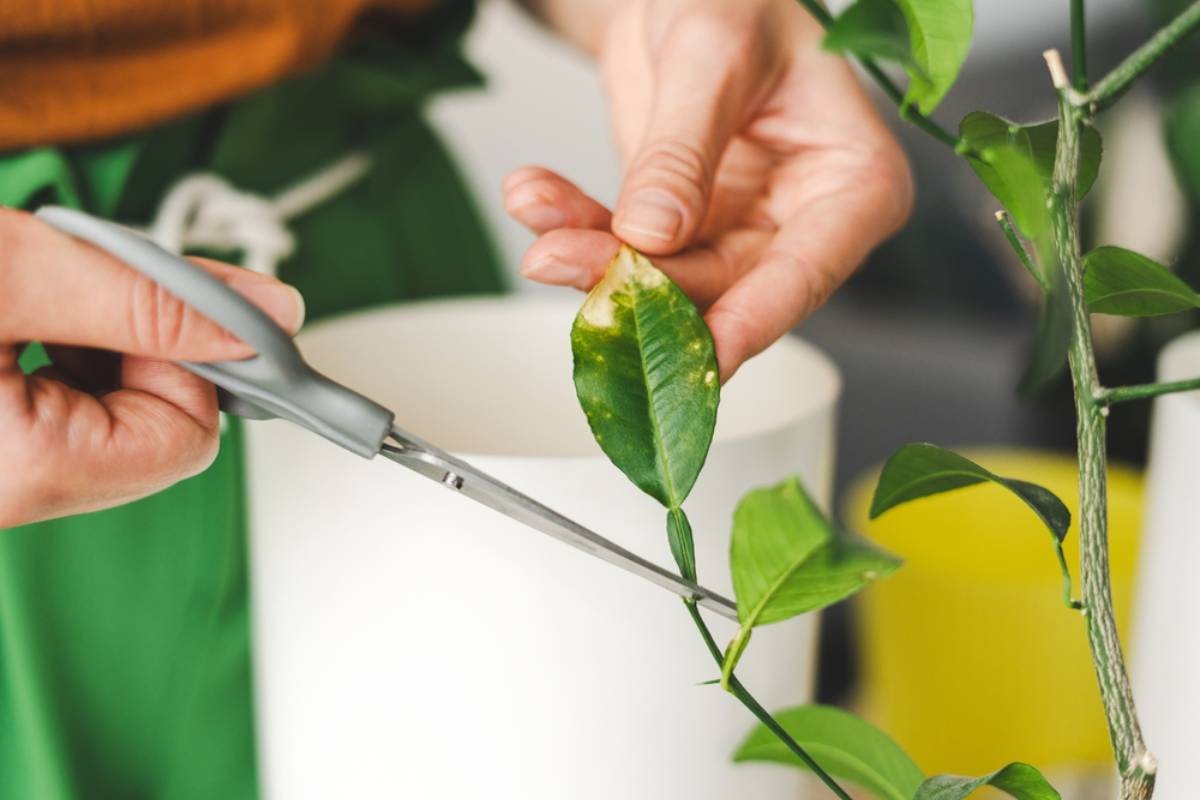
Another grower had developed a much less stressful method of sharing plants with other people. Instead of cutting into healthy display plants specifically to fulfill requests, the grower offered spare pieces already removed during routine pruning. If a trailing Philodendron needed trimming, those extra sections could become potential gifts rather than going straight into the trash.
This approach made sense for several reasons, especially when propagation stations were already overflowing. The most important stems could remain on the original plants, while recipients got a chance to experiment with material that was available anyway. It also removed some of the pressure from giving gifts, because the grower was no longer sacrificing a favorite plant for someone else’s untested enthusiasm.
The Surprisingly Effective Apartment Lobby Garden
One houseplant enthusiast had discovered an even easier way to rehome unwanted plants. Instead of trying to identify the perfect recipient among friends and relatives, the grower periodically placed less-loved plants in the apartment lobby. They were often claimed within an hour, turning an inconvenient collection surplus into a small neighborhood surprise.
There was also an unexpected benefit to this arrangement: the original owner did not have to watch what happened afterward. The plants might have gone to experienced growers, beginners eager to learn, or someone simply looking for an attractive addition to a room. At least the giveaway no longer came with months of worrying about whether a particular friend was slowly sending a plant toward disaster.
The Hoya That Came Back Into the Conversation
One response from a person revealed an especially awkward twist involving a Hoya cutting. A relative had once given away a plant while admitting that they were not particularly good at growing plants themselves. After a year of attentive care, the recipient had turned the Hoya into a lush, flowering specimen, and suddenly the relative wanted it back.
The situation demonstrated how easily people can mistake the results of someone else’s work for effortless success. A plant that once struggled may flourish under a different care routine, but that transformation does not happen simply because enough time passes. The recipient had nurtured the Hoya into a healthy plant, only to discover that its success had revived someone else’s interest in owning it.
The Myth of the Person With a Green Thumb
The original plant collector had once given a college speech arguing that a green thumb was not some mysterious gift reserved for a lucky few. The point was that plant care could be learned through observation, research, experimentation, and practice. The audience responded enthusiastically, and the collector even gifted a plant to the professor at the end of the semester.
That idea offered a useful explanation for why some gifted plants thrive while others struggle. People who appear naturally talented may simply have accumulated experience, learned to recognize problems, and become better at responding to their plants’ needs. A beginner does not need to know everything immediately, but a willingness to learn can make the difference between a struggling windowsill and a flourishing indoor jungle.
The Real Twist Was Never About the Cuttings
By this point, the collector’s dilemma was no longer simply about whether it was acceptable to refuse a friend a free plant. It was about recognizing the difference between someone who genuinely wanted to grow a plant and someone who only wanted the finished result. The first person might welcome a cutting, ask questions, and put the advice into practice, while the second expected a miniature version of the collector’s entire collection without the effort.
That difference made it easier to understand why experienced growers sometimes became selective about their gifts. A plant was a living organism with specific needs, not a decorative object guaranteed to remain perfect in every home. Saying no to an unsuitable request was not necessarily selfish; sometimes it was the most reasonable way to protect both the plant and the friendship.
How to Give Cuttings Without Regretting It Later
For gardeners who face the same requests, a few simple boundaries can make sharing plants more enjoyable. Offer spare cuttings from routine pruning, choose hardy varieties for beginners, and provide basic care instructions alongside the plant. If someone wants a rare or particularly sensitive specimen, it is reasonable to wait until they have demonstrated that they understand the basics.
It also helps to remember that a struggling plant does not automatically mean its owner is hopeless at gardening. Beginners deserve room to make mistakes, provided they are willing to learn from them, and a little encouragement can turn an inexperienced plant owner into a confident grower. The goal is not to restrict the joy of sharing greenery, but to make sure every free cutting has a fair chance of becoming a healthy plant rather than the start of another rescue mission.