Gardener Says Her Father-in-Law Spent the Visit “Improving” Her Drip Irrigation System, Now Half the Garden Hasn’t Been Watered Since He Left
I expected my father in law’s visit to include backyard conversations, family dinners, and maybe a few gardening tips. Instead, it ended with a mystery that nearly destroyed months of careful work. By the time I realized something was wrong, half the garden was already showing signs of stress. What seemed like a thoughtful favor turned into one of the most frustrating surprises I have ever dealt with.
A Garden Designed Around Consistency
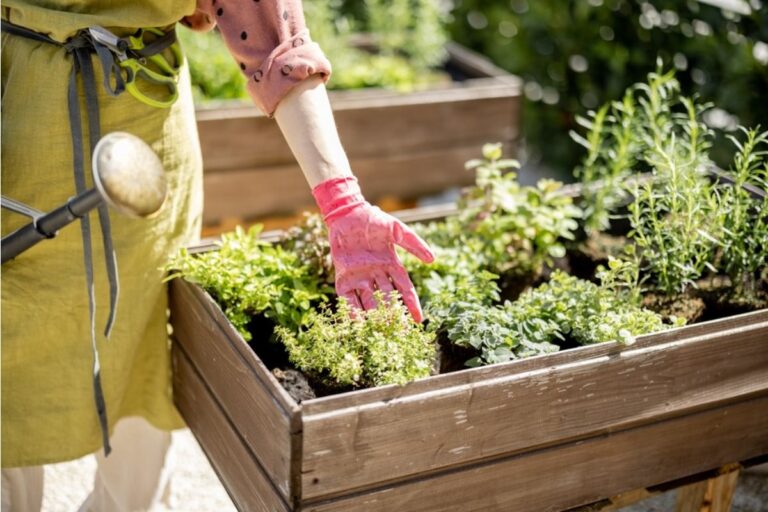
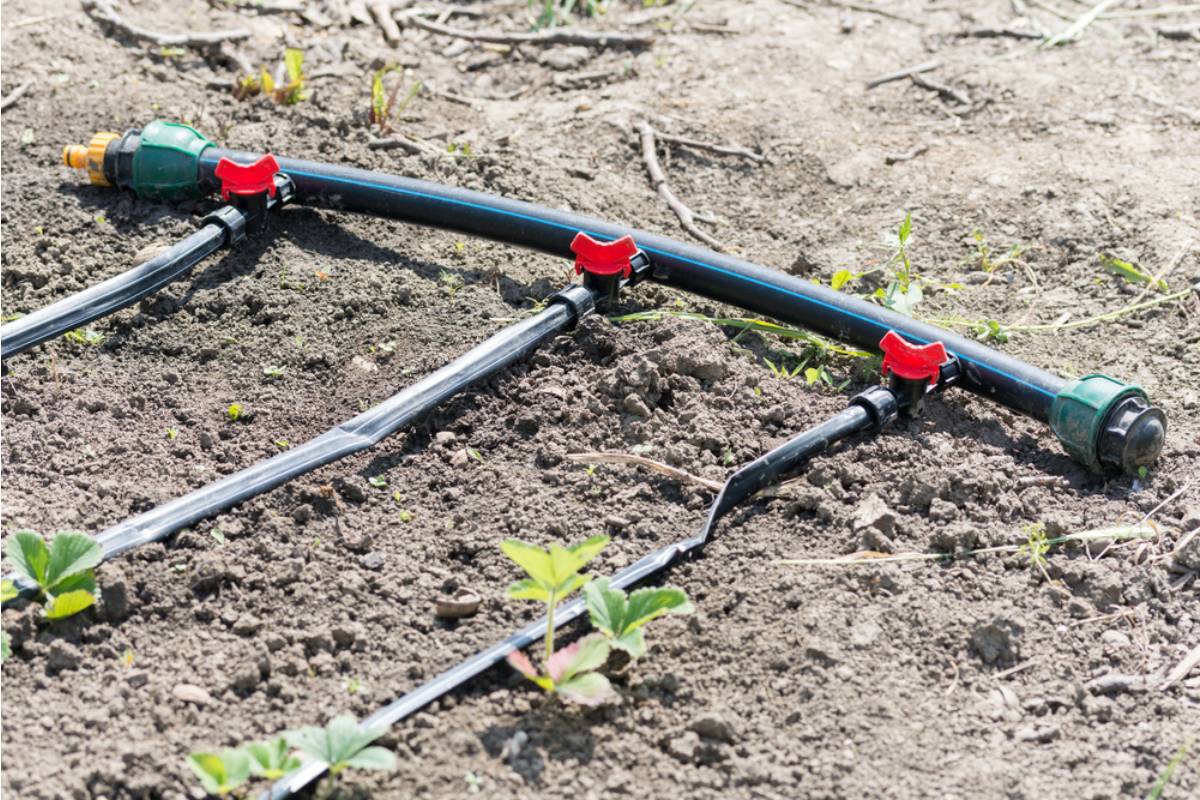
My vegetable garden had grown steadily over the past six years. Every raised bed was connected to a drip irrigation system that watered slowly and evenly before sunrise. The schedule kept the soil consistently moist without wasting water, and I rarely had to adjust anything once the season was underway.
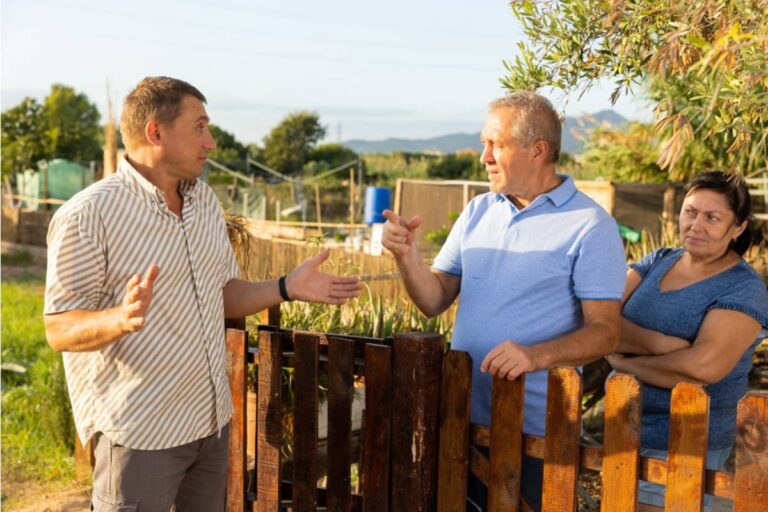
Neighbors often asked how my vegetables stayed so healthy.
The answer was never complicated. Healthy soil, regular maintenance, and dependable watering did most of the work. Once everything was properly installed, I trusted the system enough to leave it alone.
My Father in Law Loved Fixing Things
My father in law, Richard, had spent nearly forty years working as a maintenance supervisor. If something squeaked, rattled, or looked unusual, he instinctively reached for a toolbox. His confidence came from decades of solving practical problems.
Unfortunately, he believed every system could be improved.
Whenever he visited our house, he adjusted cabinet hinges, tightened loose handles, or reorganized shelves without being asked. Most of the time those changes were harmless, so I learned to smile and thank him.
He Became Curious About the Irrigation Lines
On his second morning with us, Richard wandered through the backyard while I harvested lettuce. He crouched beside one of the irrigation lines and studied the tubing carefully.
“You’ve got too many hoses running everywhere,” he said.
I explained that each section delivered different amounts of water because tomatoes, peppers, herbs, and squash all had different needs. He nodded politely, but I could tell he was already thinking of another approach.
Before walking back inside, he casually said, “I think this could be simplified.”
I Thought the Conversation Had Ended
After breakfast we spent the afternoon visiting a local farmers market.
The irrigation system ran automatically while we were gone, just as it always did. Nothing seemed unusual when we returned home. The plants looked healthy, and I never bothered checking each individual drip line because there had never been a reason to doubt it.
Richard complimented the tomatoes during dinner.
Looking back, I now realize he kept glancing toward the backyard with an oddly satisfied expression.
The First Signs Appeared Days Later
About four days after Richard returned home, my cucumber leaves started curling at the edges. Soon afterward, the beans looked limp even though temperatures had not changed much. Meanwhile, the tomatoes on the opposite side of the garden looked better than ever.
The difference made no sense.
If the entire irrigation system had failed, everything would have looked stressed. Instead, one section flourished while another slowly declined. That uneven pattern immediately caught my attention.
I Started Looking for Every Possible Cause
My first thought was disease.
I inspected leaves for insects, checked stems for damage, and tested the soil for nutrient problems. Everything appeared normal except one detail. The soil around several beds felt surprisingly dry a few inches below the surface.
That should never have happened.
The irrigation controller still activated every morning exactly on schedule. Water usage records even showed the system running normally.
The problem had to be somewhere else.
A Strange Discovery Beneath the Mulch
I decided to follow every irrigation line by hand.
Moving slowly through the mulch, I uncovered tubing one section at a time. Halfway across the garden, I noticed several connectors looked newer than the others. They had been rearranged into a completely different layout than I remembered installing.
Someone had definitely changed them.
Then I remembered Richard studying the system while I worked in the garden.
A knot formed in my stomach.
Security Camera Footage Solved the Mystery
Our backyard security camera mostly watched the patio to keep an eye on deliveries and wildlife.
I opened the recordings from the week Richard stayed with us. There he was during the afternoon while my husband and I were shopping. He carried my gardening tools across the yard, disconnected multiple irrigation lines, and carefully rerouted several sections.
He worked for almost two hours.
The entire time he smiled as though he were completing a thoughtful surprise.
His Improvement Was Based on One Wrong Assumption
When I examined his changes more closely, the mistake became obvious.
Richard assumed every raised bed should receive the same amount of water. To make the system “more efficient,” he combined several independent irrigation zones into one shared line.
That completely disrupted the water pressure.
The nearest beds received almost everything. The beds farthest away barely received enough moisture to wet the soil surface. From above, sprinkling looked normal, but underground the roots stayed dry.
The Phone Call Became Awkward
I called Richard that evening.
At first he sounded excited.
“I wondered when you’d notice how much cleaner everything looked,” he said proudly.
I thanked him for wanting to help but explained what had happened. There was a long pause before he quietly asked me to explain the problem.
As I described how drip irrigation depends on balanced flow rates rather than appearance, his confidence slowly disappeared.
My Husband Added One Important Detail
After hearing the conversation, my husband gently reminded his father of something.
“You’ve always told me never to repair equipment unless you understand how it works.”
Richard laughed nervously.
“I guess I forgot my own rule.”
That single sentence changed the entire tone of the conversation. Instead of defending himself, he started asking questions about irrigation pressure, emitters, and separate watering zones.
Saving the Garden Became a Race
The next morning I spent nearly five hours restoring every irrigation line to its original layout.
Several plants recovered quickly after deep watering, but others had already suffered significant stress. My squash lost several developing fruits, and the cucumbers needed weeks before producing normally again.
The herbs recovered the fastest.
Fortunately, my healthy compost helped many vegetables bounce back once proper watering resumed. Even so, the season’s harvest ended up noticeably smaller than expected.
Richard Came Back With a Different Attitude
About a month later, Richard visited again.
This time he walked into the backyard with empty hands instead of carrying tools. He asked if I would explain how the irrigation system actually worked because he wanted to understand the science behind it.
We spent nearly an hour together.
I showed him pressure regulators, filters, emitters, and the reason certain plants needed different watering schedules. He listened carefully without interrupting.
An Unexpected Project at His Own House
A few weeks later Richard called with exciting news.
Instead of modifying someone else’s garden, he decided to build a small drip irrigation system for his own vegetable beds. Before connecting a single hose, he emailed me photos and asked whether everything looked correct.
I happily reviewed every step.
The project became something we worked on together from a distance. Every successful adjustment boosted his confidence without risking anyone else’s garden.
A Lesson That Changed Future Visits
Now whenever family comes to stay, everyone jokes about asking permission before “improving” anything around the house. Richard usually laughs the loudest because he knows exactly where the joke came from. He often tells new visitors the story himself before anyone else gets the chance.
The garden eventually recovered, although a few plants never reached their full potential that season. Looking back, I know Richard never intended to cause damage. He genuinely believed he was making life easier. The experience reminded both of us that good intentions are not a substitute for understanding, especially when someone else’s hard work depends on every small detail staying exactly the way it was designed.