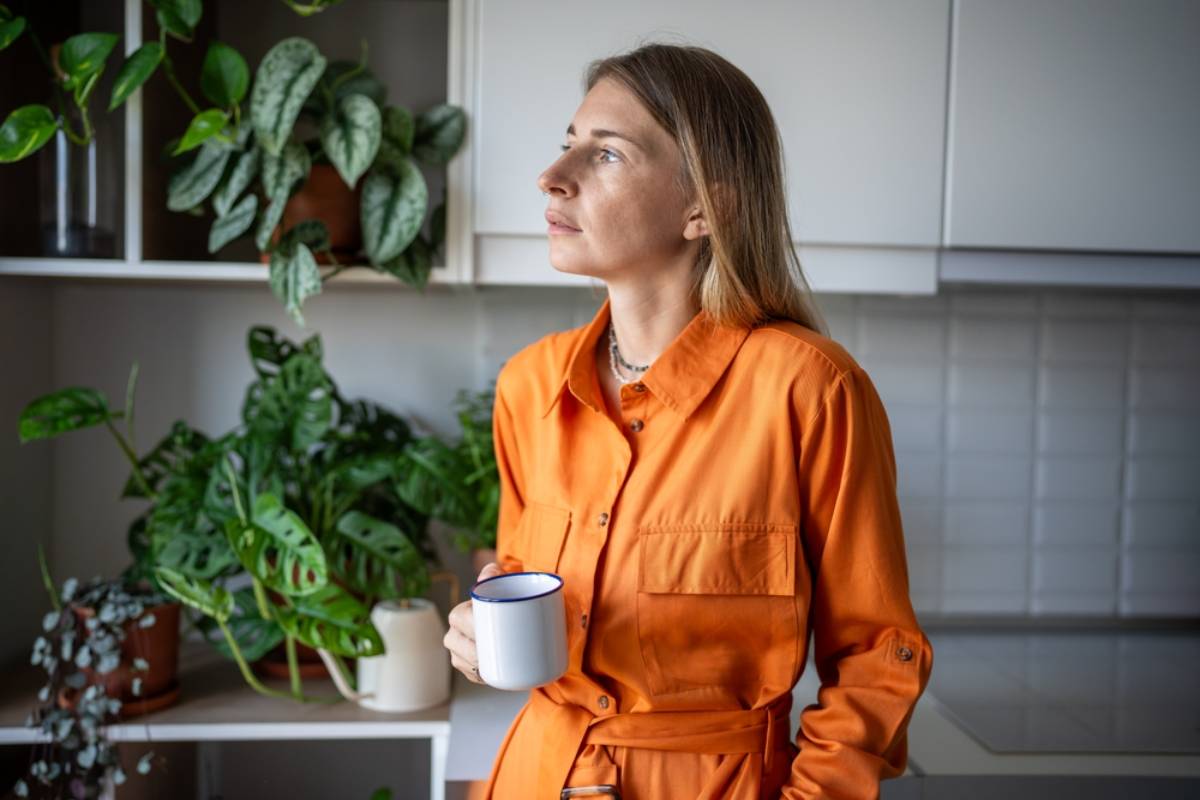
Houseplant Owner Admits She Is Ready to Give Up on Her Indoor Jungle, Then Fellow Plant Lovers Reveal Why Even Experienced Gardeners Sometimes Reach Their Breaking Point
A person shared his story about reaching a point where caring for houseplants no longer felt as rewarding as it once had. What might have started as a relaxing hobby can slowly become another responsibility when leaves turn yellow, plants refuse to grow, and every new problem seems to demand attention. Eventually, even someone who genuinely loves greenery can find themselves wondering whether it is time to put the watering can down for good.
For many plant owners, the hardest part is admitting that a hobby they once enjoyed has become exhausting. Houseplants are supposed to make a home feel more inviting, not leave their owners feeling guilty every time they walk past a struggling pot. And that raises an uncomfortable question: is giving up on a few plants really a failure, or is it simply a sign that something needs to change?
Every Yellow Leaf Started Feeling Like Another Personal Failure
Houseplant enthusiasts know how quickly a small problem can turn into a full-blown investigation. One day, a plant looks perfectly healthy, and the next, its leaves are drooping, browning, or falling off without an obvious explanation. Suddenly, a peaceful morning coffee becomes a search for answers about sunlight, watering schedules, humidity, and mysterious root problems.
The frustrating part is that plants rarely explain what they need in a way that makes sense to beginners. Overwatering and underwatering can produce surprisingly similar symptoms, while too much sunlight can cause damage that looks like a disease. When several plants start struggling at once, it is easy to feel as though every decision has somehow been wrong.
The Dream of an Indoor Jungle Can Become Surprisingly Expensive
Many people begin collecting houseplants with modest ambitions, perhaps buying one attractive pothos or a small succulent for a windowsill. Before long, they discover unusual varieties, decorative planters, specialized soil mixes, fertilizers, and accessories that promise to make everything grow better. What began as an inexpensive hobby can gradually become a collection that requires more money, space, and attention than expected.
The financial side can make struggling plants even harder to deal with. Nobody enjoys watching a plant purchased with excitement slowly deteriorate, especially after spending additional money trying to rescue it. Sometimes, the temptation to buy one more plant for a fresh start is strong, even when the existing collection already feels overwhelming.
Social Media Makes Everyone Else’s Plants Look Perfect
A response from a person might point out how easy it is to feel inadequate when comparing a real home to carefully curated pictures of thriving indoor gardens. Online photographs often feature lush foliage, beautiful containers, and perfectly arranged shelves that make plant care appear effortless. What viewers rarely see is the struggling fern behind the camera, the dead leaves outside the frame, or the plants that never survived long enough to be photographed.
These comparisons can turn an enjoyable hobby into an endless competition. Someone with a few healthy plants may begin believing their collection is unimpressive because another enthusiast has dozens of enormous tropical specimens. The truth is that a small collection of plants that suit your home can be far more satisfying than an impressive indoor jungle that constantly causes stress.
Some Plants Simply Refuse to Cooperate
Every plant owner eventually encounters a specimen that seems determined to test their patience. A peace lily might wilt dramatically, a calathea might develop crispy edges, or a succulent might stretch toward the window despite receiving what seems like reasonable care. Even after researching the problem and adjusting the conditions, the plant may continue looking unhappy.
That does not automatically mean the owner is bad at gardening. Different species have different needs, and a plant that thrives in a bright greenhouse may struggle in a dim apartment with dry indoor air. Sometimes, the most sensible decision is to stop fighting an unsuitable plant and choose a variety better matched to the environment.
The Watering Schedule That Worked Last Month Suddenly Fails
One of the biggest frustrations with houseplants is that their needs change throughout the year. A pot that dries slowly during a cool winter can become dry much faster when warmer weather arrives and sunlight increases. Without realizing it, an owner can follow the same routine for months before noticing that the results have changed.
This is why rigid watering schedules can create unnecessary problems. Instead of watering every plant on the same day, it is usually better to check the soil and consider the plant’s species, pot size, and growing conditions. A little flexibility can prevent both soggy roots and excessive dryness, making plant care feel less like a demanding timetable.
Buying More Plants Does Not Always Solve the Problem
There is something irresistible about bringing home a new plant after a disappointing week with the old ones. Fresh foliage offers the promise of a clean slate, and choosing a new variety can temporarily restore the excitement that made the hobby appealing in the first place. Unfortunately, adding more plants can also increase the workload when the original collection is already difficult to manage.
A crowded windowsill can quickly become a puzzle involving light requirements, watering needs, and available space. Plants may shade one another, humidity may vary across the room, and pots can become difficult to inspect properly. Rather than expanding the collection, a short pause on new purchases may be exactly what an overwhelmed plant owner needs.
The Internet Has Advice for Everything, Yet Nothing Seems to Work
A struggling houseplant can send its owner down a seemingly endless rabbit hole of care guides, videos, and troubleshooting discussions. One person recommends watering more frequently, another insists the soil must dry completely, and someone else suggests repotting immediately. Before long, the plant has become the subject of an investigation involving conflicting advice and increasingly complicated experiments.
The better approach is to identify the most likely problem before changing everything at once. Checking soil moisture, examining the roots when appropriate, and reviewing the plant’s light exposure can help narrow down the possibilities. Making one careful adjustment at a time also makes it easier to understand whether the change is actually helping.
Not Every Plant Deserves a Permanent Place on the Windowsill
Plant lovers sometimes treat every struggling specimen as a personal challenge they must overcome. They keep trying different locations, buying additional supplies, and searching for another solution because throwing a plant away feels like admitting defeat. However, a collection does not have to include every plant that once caught someone’s attention.
Some plants are simply poor matches for a particular home, lifestyle, or level of experience. A high-maintenance tropical plant may demand more humidity than a typical living room can provide, while a sun-loving succulent may never thrive in a dark corner. Choosing plants that fit the conditions available is a practical gardening decision, not a surrender.
Letting Go of a Struggling Plant Can Be the Healthiest Choice
There is an important difference between abandoning a hobby and deciding that one particular plant is no longer worth the effort. A plant that has repeatedly declined despite reasonable care may be taking up valuable space and energy that could be devoted to healthier specimens. Removing it from the collection can make the remaining plants easier to care for and enjoy.
Of course, a struggling plant should not be discarded simply because it has one bad day. Some plants recover slowly, and temporary leaf loss does not always mean they are beyond saving. But when the effort required becomes disproportionate to the enjoyment, it is reasonable to reconsider whether keeping that plant makes sense.
A Smaller Collection Can Bring Back the Fun
For someone feeling overwhelmed, reducing the number of plants can be surprisingly liberating. Instead of juggling a dozen different care routines, they can focus on a handful of varieties that thrive under the conditions already available. The result may be fewer dramatic rescues, less clutter, and more time to appreciate the plants that are actually doing well.
A smaller collection also makes it easier to notice changes before they become serious problems. Owners can inspect leaves, check soil moisture, and understand each plant’s growth patterns without turning the process into a daily chore. Sometimes, a few dependable plants provide more satisfaction than an entire room filled with demanding varieties.
Beginners Do Not Need to Master Every Gardening Skill at Once
Houseplant care can appear deceptively simple because plants are often sold with cheerful labels promising easy maintenance. In reality, understanding light, drainage, soil composition, and watering takes time, and even experienced gardeners continue learning through trial and error. Expecting a beginner to understand every problem immediately is an excellent way to make an enjoyable hobby feel intimidating.
Starting with resilient plants can make the learning process much less stressful. Pothos, snake plants, and certain philodendrons are popular options because they can tolerate a range of indoor conditions, although they still need appropriate care. Building confidence with a few forgiving varieties allows beginners to develop useful habits before experimenting with more demanding plants.
Sometimes the Best Gardening Advice Is to Take a Break
When every plant seems to need attention, stepping away briefly can help restore perspective. There is no need to spend every evening inspecting leaves or researching every minor blemish, especially when the constant troubleshooting has stopped being enjoyable. A simple routine focused on essential care can be more sustainable than trying to achieve perfect conditions for every specimen.
Taking a break does not mean ignoring plants that genuinely need attention. It means setting realistic expectations and recognizing that not every leaf must be flawless for a plant to be healthy. Once the pressure to maintain a picture-perfect collection disappears, the hobby can become enjoyable again.
The Real Twist Is That Giving Up Can Mean Finding a Better Way to Grow
The idea of giving up on houseplants often sounds like the end of a gardening journey, but it can lead to a much more satisfying approach. A person who once struggled to keep a crowded collection alive may discover that caring for three well-suited plants is far more rewarding than managing twenty demanding ones. The goal does not have to be owning the biggest indoor jungle or keeping every plant alive indefinitely.
For anyone questioning whether to continue, the answer may be to change the way they approach the hobby rather than abandon it entirely. Keep the plants that bring happiness, learn from the ones that struggled, and stop treating every gardening setback as a verdict on your abilities. After all, a home filled with greenery should feel like a little sanctuary, not another place where you have to prove yourself.