Neighbor Thought He Was Helping by Mowing the Lawn, But Destroyed a Garden Years in the Making
For three months, the homeowner had poured hours of daily work into a garden that had slowly become a source of purpose. There were cucumber plants, mint, herbs, blackberry bushes, flowers, and thousands of flower seeds waiting to grow. It wasn’t simply an overgrown patch of lawn anymore. It was something carefully planned, planted, and tended to every day.
The homeowner had also been growing cucumbers with a specific purpose. The plan was to donate the harvest to a local homeless center, turning the garden into a small way of helping people in the community. After three months of watching everything grow, there was finally something to look forward to.
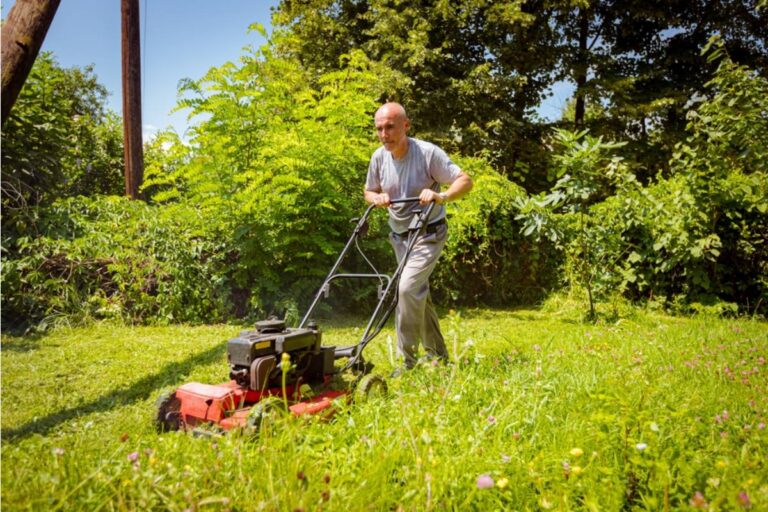
Then the neighbor decided to mow.
He Decided the Yard Needed His Help
The homeowner hadn’t asked anyone to mow the property. In fact, the lawn had been mowed only about two weeks earlier, so it wasn’t particularly neglected.
But the neighbor apparently felt good that day and decided to do something nice for someone else.
His reasoning was simple: he felt good, saw an overgrown area, and figured helping his neighbor would be a kind thing to do. He didn’t knock on the door first. He didn’t ask whether the homeowner wanted the area mowed. He simply started the mower and went to work.
What he apparently didn’t realize was that the area he considered an overgrown lawn was actually a carefully cultivated garden.
The First Pass Destroyed the Cucumber Plants
The mower went through the garden and took the cucumber plants with it.
Plants that had been watered, watched, supported, and cared for over months were suddenly shredded. The stakes supporting some of the plants had to be moved out of the way before the mower could continue, making the situation even harder to understand.
This wasn’t a tiny flower bed hidden beneath tall grass.
There were plants several feet tall, vegetables growing, herbs, and other obvious signs that someone was deliberately cultivating the area.
Still, the neighbor continued.
Six Thousand Seeds Were Suddenly Gone
The homeowner had also planted approximately 6,000 flower seeds.
All of that preparation was suddenly erased by a lawn mower.
Seeds may seem inexpensive compared with mature plants, but anyone who gardens knows the cost isn’t limited to what appears on a receipt. There is the planning, preparation, planting, watering, waiting, and daily attention that goes into getting something from bare soil to a thriving garden.
Three months of that work disappeared in minutes.
The blackberry bush was snapped in half, the mint was destroyed, and other herbs were gone along with the flowers and vegetables.
The Worst Part Was Knowing Why the Garden Existed
The destruction hurt even more because the garden had become an important source of motivation for the homeowner.
They explained that they had been in a very dark place and that caring for the garden had become a reason to keep going. The plants gave them something to wake up for and something they could nurture when other parts of life felt overwhelming.
The cucumber harvest was supposed to be donated to a local homeless center.
So the neighbor hadn’t merely destroyed plants. From the homeowner’s perspective, he had unknowingly destroyed a project that represented hope, generosity, and months of personal effort.
The Neighbor Didn’t See the Work Behind It
Afterward, the homeowner struggled to understand how the neighbor could have looked at the area and seen nothing but weeds.
The neighbor had apparently mowed the property occasionally about a year earlier, before the homeowner’s garden existed. That history may have influenced his assumption that the area was still just lawn.
But things had changed.
The garden was there now.
There was even a board placed around the area to keep groundhogs away, and the neighbor moved the board before mowing. Some plants were two or three feet tall and had stakes supporting them.
That detail made many people question whether this could really have been an innocent mistake.
Reddit Users Had Very Different Theories
The comments quickly filled with people who were furious on the homeowner’s behalf.
Many argued that the neighbor had to know exactly what he was mowing because he had moved the board and dealt with the stakes. Others believed he may simply have been careless and genuinely thought he was doing the homeowner a favor.
One commenter shared a story about a neighbor who regularly mowed around newly planted areas and carefully avoided the plants. To them, the difference was simple: a considerate neighbor noticed something unusual and protected it instead of destroying it.
That comparison made the homeowner’s neighbor look even worse.
Some People Thought the Neighbor Did It Deliberately
Several commenters refused to accept the idea that someone could accidentally destroy an entire vegetable garden with a lawn mower.
Their argument was that the neighbor had to actively move things out of his path to continue mowing. If there were stakes and a barrier, they believed he should have stopped and asked what the area was.
Some even suggested that he might have disliked the garden and used “helping” as an excuse to remove it.
The homeowner wasn’t convinced.
They admitted that they didn’t think the neighbor was necessarily malicious. They wondered whether something might simply be wrong with him or whether he had genuinely failed to understand what he was looking at.
That uncertainty made the situation even harder emotionally.
The Homeowner Couldn’t Confront Him While Furious
Many commenters encouraged the homeowner to confront the neighbor immediately.
But the homeowner explained that they were too upset to have that conversation yet.
They didn’t want to approach him while consumed by anger and potentially make the situation worse. Instead, they planned to wait until the initial shock had passed before explaining what he had destroyed and why it mattered.
That response frustrated some commenters, who believed the neighbor needed to understand the consequences of his actions as soon as possible.
Others understood why someone would need time to process such a loss before confronting the person responsible.
People Suggested Sending Him the Bill
A common recommendation was to calculate the financial value of everything destroyed.
Commenters suggested replacing the plants, seeds, and other garden materials and even accounting for the labor involved in rebuilding the garden.
Some recommended getting estimates from local nurseries and presenting the neighbor with the cost.
The idea wasn’t simply about recovering money. People wanted the neighbor to understand that his supposedly helpful gesture had created a real loss.
If he genuinely thought he was doing something kind, a bill might have been the clearest way to show him that good intentions don’t erase consequences.
Others Recommended Reporting the Damage
Several commenters went further and suggested contacting the police because the neighbor had entered the property and damaged it.
Others recommended documenting the garden with photographs, recording what had been destroyed, and considering legal action if the damage was substantial enough.
Some advised putting up “No Trespassing” and “Do Not Mow” signs around the property.
The general message was consistent: whatever the neighbor’s intentions had been, he couldn’t simply assume that another person’s property was his to alter.
Other Gardeners Shared Their Own Disasters
The story struck a nerve with people who had experienced similar situations.
One person described having milkweed and native plants destroyed when someone unexpectedly mowed an area they had intentionally allowed to grow wild.
Another recalled a lawn mower destroying young pawpaw trees and native plants because the person mowing assumed anything that wasn’t obviously mulched was fair game.
Someone else described having a sprinkler system destroyed by a neighbor who thought mowing the lawn would be a thoughtful favor.
These stories reinforced the same lesson: an area that looks messy to one person may be intentionally maintained that way by someone else.
The Real Issue Was Never Just the Grass
For the homeowner, the incident represented something bigger than losing a few plants.
The garden had been an expression of personal effort and a way of creating something positive during a difficult period. The homeowner had spent months caring for it and had plans for what it would eventually produce.
Then someone else made a unilateral decision about what should happen to it.
That’s why the homeowner’s frustration centered so strongly on consent. They weren’t arguing that people shouldn’t help their neighbors. They were asking people to stop assuming that their definition of “help” automatically applies to someone else’s property.
Good Intentions Don’t Automatically Make Something Kind
The homeowner eventually put the lesson into words that resonated with many readers.
Doing something “nice” without asking can still violate someone’s boundaries.
A person might believe they’re cleaning something up, fixing something, organizing something, or making someone’s life easier. But if the person never wanted that intervention, the gesture can become destructive rather than helpful.
The neighbor may have walked away believing he had done something generous.
The homeowner was left looking at thousands of lost seeds, destroyed vegetables, broken plants, and months of work that couldn’t simply be restored with an apology.
The Garden Could Eventually Grow Again
Some commenters tried to offer a more hopeful perspective.
They reminded the homeowner that many plants can recover and that gardening always involves starting over at some point. They suggested planting new vegetables, putting flowers in containers, or beginning another garden when the homeowner felt ready.
Others recommended creating unmistakable boundaries around the next garden with fencing, rocks, signs, mulch, or other visible markers.
But rebuilding wasn’t something the homeowner wanted to rush into.
The immediate loss needed to be acknowledged first.
The Neighbor Needed to Understand What He Had Done
Eventually, the homeowner planned to talk to the neighbor.
The goal wasn’t necessarily revenge or a dramatic confrontation. It was to make sure he understood that the area wasn’t an abandoned lawn and that he had destroyed something important.
The homeowner wanted him to understand that next time, he needed to ask.
That simple question could have prevented the entire situation.
Sometimes the Kindest Thing Is to Leave Someone’s Property Alone
The incident left behind a surprisingly simple lesson.
If you’re thinking about doing something for a neighbor, ask first.
Ask before mowing. Ask before trimming. Ask before removing something that looks like a weed. Ask before “cleaning up” an area that doesn’t belong to you.
Because what looks like a neglected patch of grass might actually be someone’s garden, someone’s project, someone’s source of comfort, or someone’s three months of hard work.
And in this case, the neighbor’s attempt to do something nice left behind a garden full of destruction and a homeowner mourning what had taken months to create.