‘Leaf Removal Is Job #1’ in November, a Durham County Master Gardener Says, While Dead Perennial Stems Should Stay Standing for Native Bees
Cutting every dead perennial stem to the ground looks like the proper way to finish a November garden, and it is the step Gary Crispell, an NC State Extension Master Gardener volunteer in Durham County, asks gardeners to skip. In his November 4 to-do list, he puts the opposite job first: “Leaf removal is job #1.” The dead stems, he writes, should stay.
Both instructions come from the same short column, and the research behind the second one was published by NC State Extension itself.
Job #1 on the November List
Crispell, who writes as the “Accidental Cottage Gardener,” opens the list with leaves. Warm-season lawns such as Bermuda, zoysia and centipede are about to go dormant, he notes, and cool-season lawns of tall fescue, bluegrass and perennial rye still need mowing, at 3 to 4 inches. Astrid Cook Dail edited the post.
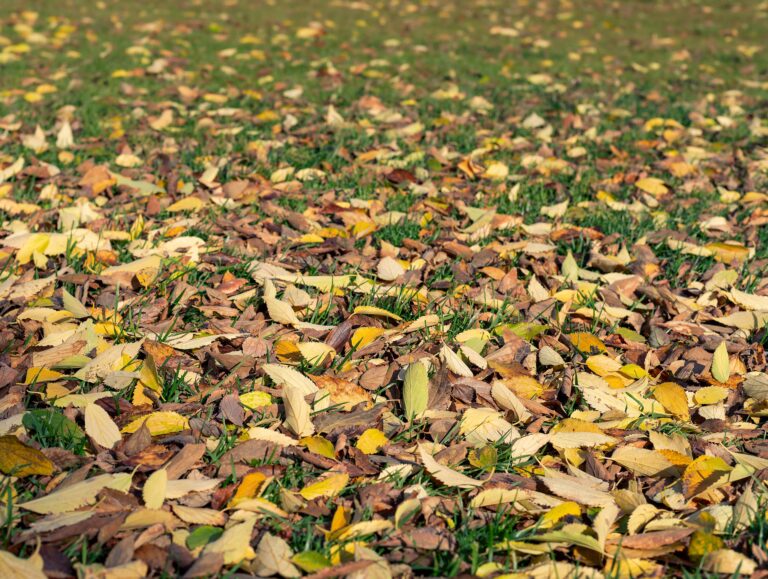
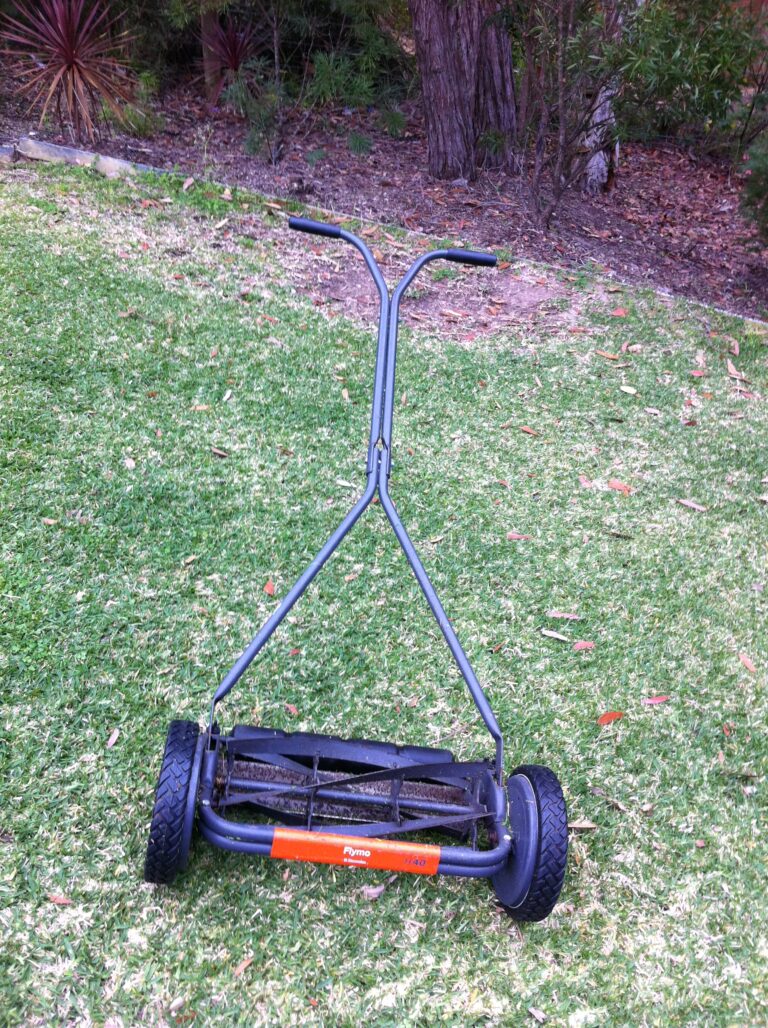
The list frames leaf cleanup as the main November chore, but it does not frame it as a reason to bag everything. The column prefers mulching clippings and leaves over bagging, and says whatever does get bagged should go to the compost pile, not the landfill.
Mulching Beats Bagging, According to Other NC Extension Offices
Other North Carolina county offices give the same direction with more detail. Chatham County’s Leave the Leaves post, written by Master Gardener volunteer Betsy Kraus and posted by Extension Agent Matt Jones, says a mulching mower run over fallen leaves grinds them so they decompose and feed the lawn. If leaf fall is too heavy for the lawn to absorb, the post says to mow the leaves and then rake the shredded pieces into nearby plant beds. It adds that where possible, leaves can stay where they fall, since they recycle nutrients back to the trees, and that leaf litter shelters small creatures, from insects and the predators that eat them to toads and birds.
Carteret County Extension Director Shawn Banks takes a similar line in Making the Most of Leaves as Mulch or Compost. With only a few leaves, he writes, mow over them to chop them finer and leave them on the lawn to add organic matter to the soil. Chopped leaves can be spread over vegetable beds to suppress winter weeds until spring planting, and raked under trees and shrubs to provide winter habitat for beneficial insects. His page gives no depth figure.
North Carolina gardeners facing a bumper crop of leaves can also pair the cleanup with another November deadline covered here: the state’s soil test fee. Soil tests are generally free through November and cost $5 a sample from December, which matters because Crispell says to add lime only if soil pH is below 6.0, using the rate on the NCDA soil test report.
Why the Dead Stems Stay Standing
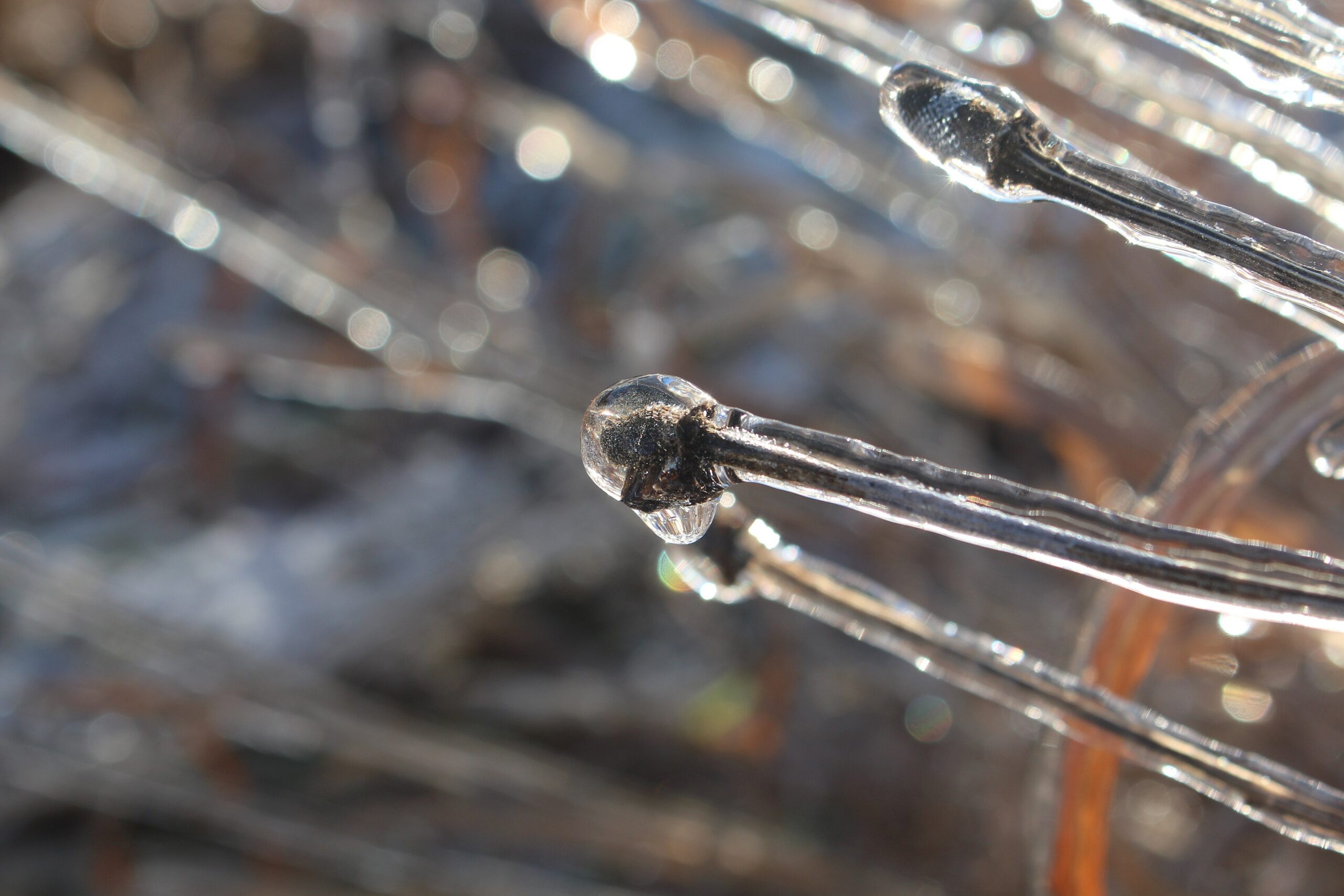
The stem advice is two sentences in Crispell’s list: do not cut back dead stems, because they may hold native solitary bee eggs or other beneficial insect eggs. “Leave them, please,” he writes, and he suggests treating the standing stems as winter interest. The post includes a photo of a small carpenter bee nesting in a sumac stem, and links to an NC Extension resource on providing this habitat.
That resource has a research base. NC State’s pollinator program published Winter Is a Great Time to Tidy Up Perennial Stems for Pollinator Habitat, written by Elsa Youngsteadt, an Extension urban ecology specialist and associate professor, with research scholar Hannah Levenson. It explains that many native bees nest inside hollow or pithy dead stems, and that garden cleanup can destroy those nests. The team sampled stems from 20 gardens in 10 North Carolina counties over two years, working with Extension agents and Master Gardener volunteers. They split nearly 3,000 stems and found none occupied in their first winter.
What NC State’s Stem Study Says About Cutting
The finding changes the practical advice, and it adds a detail that Crispell’s short post does not include. NC State Extension’s publication Garden Cleanup for Pollinators: Trim Perennial Stems in Their First Winter (AG-984, published May 22, 2025) was written by Youngsteadt and Levenson with Forsyth County Extension Agent Leslie Rose and Charlotte Glen, manager of the Extension Master Gardener program. It says stems can be trimmed in their first winter, between the first fall frost and the last spring frost, because the study found them unoccupied then.
The publication is specific about how. A stubble 12 to 24 inches tall is best for bees, since it creates cut ends the bees can reach and still looks tidy. Cutting to the ground does not harm bees but removes potential nesting habitat, and leaving stems untrimmed is harmless, because stems become usable as natural wear exposes their interiors. Spring is not the recommended window, since the study found the most nests in stems collected in spring, and cut stems should not be left lying on the ground, where moisture and mold can destroy nests.
The authors say to cut the previous season’s growth each winter and leave older stems standing, since stems usually start breaking down in their second year. Plants with recorded nests include purple coneflower, bee balm, goldenrod, New York ironweed, hibiscus and salvia. The study found 11 bee and solitary wasp species nesting in stems, most of them small carpenter bees of the genus Ceratina, and the publication notes that solitary bees rarely sting and do not defend their nests.
The Rest of Crispell’s November Garden
The remainder of the list is a snapshot of a Durham garden during a drought. Crispell reports that despite a drought, zinnias, cosmos, gaillardia, black-eyed Susans and swamp sunflower are still blooming. Trees and shrubs can be transplanted this month, spring bulbs should go in before the month ends, and one-year-old asparagus crowns can be transplanted. Dead or diseased wood on trees and shrubs can be trimmed at the outer edge of the branch collar.
New or overseeded lawns need about a half inch of water twice a week at minimum, and horticultural oil is his suggestion for lace bugs. Azaleas stressed by full sun attract those insects, so he suggests moving them to shadier spots. Fertilizing needs little attention at this point in the year. The list closes with the seasonal extras: a leaf hike, a leaf pile for children to play in, and a firepit gathering with cider and donuts.
This article was produced with AI assistance and edited for accuracy against the sources linked above.
Image: U.S. Fish and Wildlife Service – Midwest Region – Public domain/Wikimedia Commons