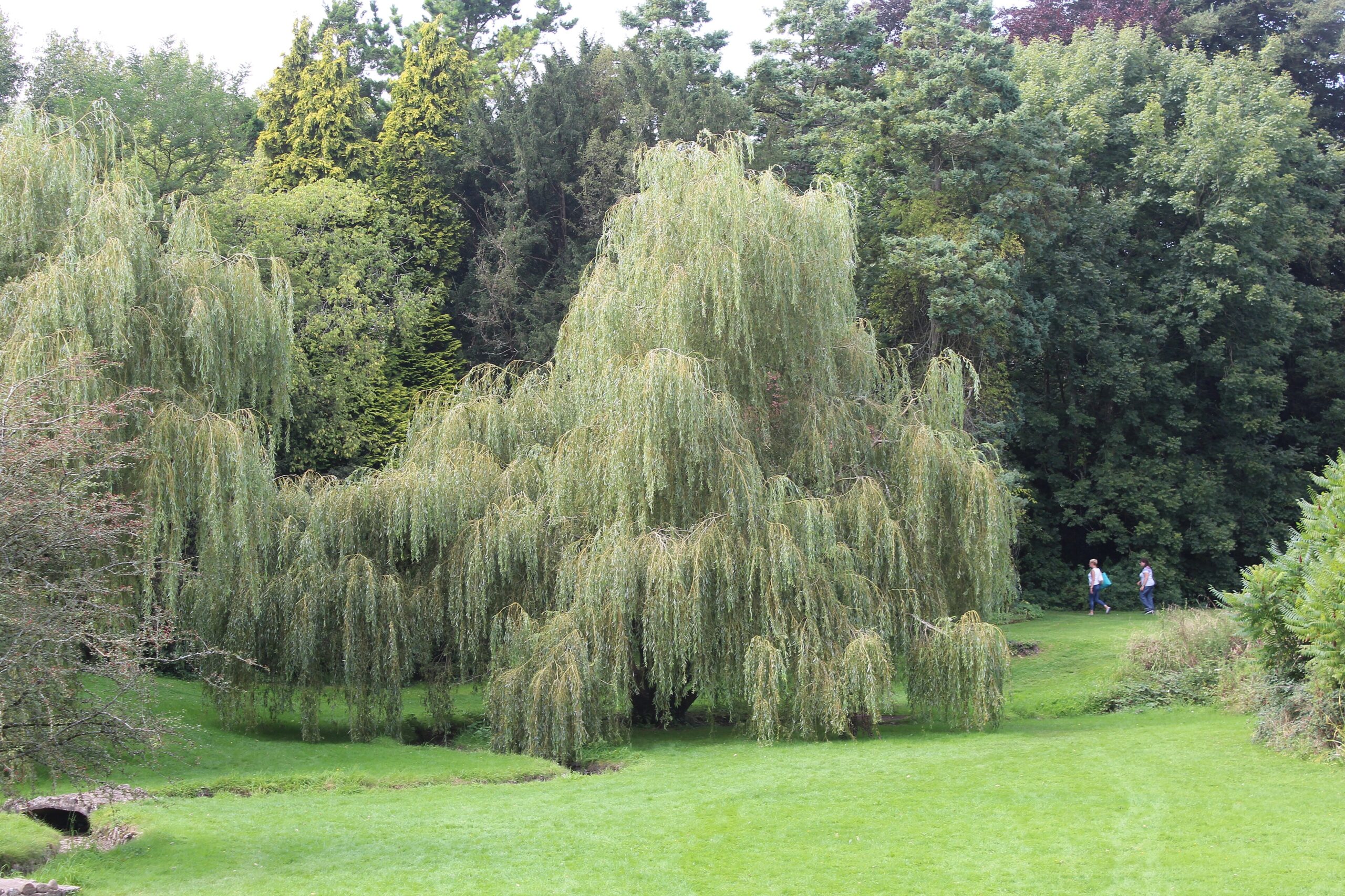
Emma Moore’s Daughter Mabel Lived Two Days, and Because a Cemetery Felt Too Far Away, She Planted a Willow, Lilies and a Bench in Her Own Bolton Garden
On many mornings, Emma Moore takes a cup of tea out to a bench beneath a willow tree in her garden near Bolton, in northwest England. A small plaque on the bench carries her daughter’s name. Mabel was born at 27 weeks in April, before her lungs had fully developed, and she lived for two days.
Moore, 35, told the BBC’s Morning Live that a cemetery never felt like the right place to remember her baby. So she made one at home. “It’s her little garden,” she said.
Why a Cemetery Felt Too Far Away
Moore told the program she does not like going to cemeteries, and that visits there tend to fizzle out over time, from regular trips down to about once a year. She wanted somewhere that would remind her of Mabel every day.
Indoors, she keeps Mabel’s ashes beside a photograph of her daughter’s tiny feet. Outdoors, she set aside part of the family garden for her. Moore lives with her partner, Louis, and their older daughter, Penelope.
She had never gardened before and did not know where to start, she said. The planting gave her something to focus on, and she has come to enjoy it.
A Willow, White Lilies and a Bench With Mabel’s Name
The memorial corner is built around a willow tree. Lilies, Moore’s favorite of the flowers the family chose, are among the plants. The bench with Mabel’s plaque sits close to the willow, and a swing stands among planters filled with flowers.
Moore said she still feels very much in grief, but that the garden gives her a place to sit, think about Mabel and reflect. The BBC report was produced for Morning Live as part of a segment on remembering loved ones through plants.
Andy Langford, clinical director at Cruse Bereavement Support, told the program that calm green spaces can help people connect with memories of someone they have lost. Benches are common in public memorial gardens for a reason, he said: they offer a sense of permanence and a pause from the pressure of daily life.
What a Botanist Suggests Planting for Remembrance
Botanist James Wong of BBC Gardeners’ Question Time offered ideas for anyone hoping to build a similar space.
White lilies are a traditional British choice for remembrance and symbolize peace, Wong said. They need little care, can last for decades and come in varieties suited to different soils. But he said there is no need to follow the rules on color. Soft pink, mauve and lilac can feel calming, while yellow and red can lift the mood.
Scent matters too. Roses are often fragrant, but plants with scented leaves work year-round, even out of bloom. Wong pointed to mint, eucalyptus and rose geranium, which “have very strongly scented leaves and they’re around for a long period of time.”
He also suggested the Italian cypress, a tall, narrow evergreen often used for commemoration in warmer countries, which he said can grow “perfectly well outdoors in the UK.” Its woody scent is close to pine or juniper. Chrysanthemums, which he called “a classic funeral flower” in East Asian cultures, grow easily in British gardens and have an herbal, almost medicinal scent.
Remembering Without a Garden
Not everyone has outdoor space. For people indoors, Wong recommended the peace lily, a Colombian rainforest plant that can live inside all year with warmth and low light, and frangipani, popular in Southeast Asia, which can grow indoors if it has room and a bright, warm spot. On a balcony or beside a window box, Langford suggested placing a seat for two, to make space for conversations about the person who has died.
Mabel was born at 27 weeks, well before full term. Tommy’s, a U.K. charity that funds research into the causes and prevention of miscarriage, premature birth and stillbirth, says stillbirth levels in the country remain unacceptably high. Families coping with the death of a baby in the U.K. can contact Sands, the stillbirth and neonatal death charity, on its helpline at 0808 164 3332. Sands offers local support groups, an online community, memory boxes and remembrance events such as its Wave of Light and Tree of Love. Cruse’s helpline, at 0808 808 1677, supports people through any bereavement, and the charity has more than 80 local branches across England, Wales and Northern Ireland.
Memorial gardens are not always left in peace. In Wisconsin, someone threw the information box from a legacy garden for organ donors into the river, and other families have planted through grief in different ways, like the Florida woman who began giving away bouquets from her backyard after losing both parents.
For Moore, the bench beneath the willow has become the place she goes, often first thing in the morning with a cup of tea, to sit and think about her daughter.
This article was produced with AI assistance and edited for accuracy against the sources linked above.
Image: M J Roscoe – CC BY-SA 2.0/Wikimedia Commons