‘Way More Than a Trimming’: A Neighbor Cut Into an Illinois Homeowner’s Maple Trees, and the Homeowner Says a Lawyer Is Coming
“Way more than a trimming.” That is how an Illinois homeowner described what a neighbor did to several maple trees on the homeowner’s side of the fence. The homeowner says no one agreed to the cuts, and by Oct. 4 had a lawyer on the way.
The dispute was reported by Dana Daly for Yahoo Life, drawing on photos and updates the homeowner shared online starting Oct. 1.
Maples cut on the wrong side
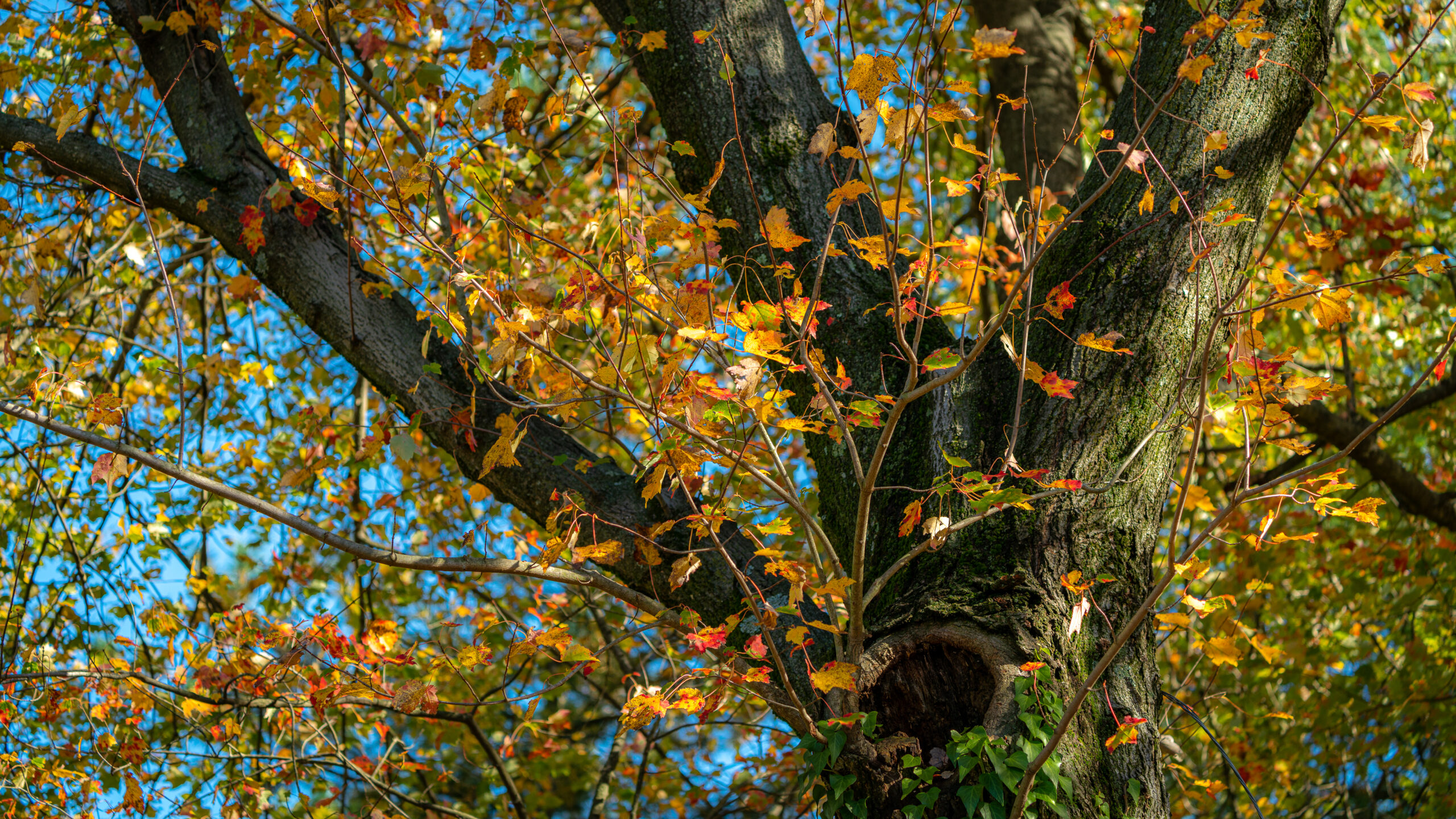
The photos show maples cut back hard along the boundary. The homeowner said the property line runs to the left of the trees and that a fence divides the two yards, though at first the homeowner admitted not being completely certain where the line sat.
That uncertainty matters. Commenters pointed out that fences are not always built on property lines, and a few feet in either direction can change who owns a tree.
By the Oct. 4 update, the homeowner was sure: the trees are on the homeowner’s property, and a lawyer was coming. The homeowner did not say whether a survey had confirmed the boundary, and no further updates have been shared.
What Illinois law says about a neighbor’s saw
The Yahoo Life story laid out the rules that apply. In Illinois, homeowners can generally trim branches that hang over their own property, but they may not cut into the tree on the neighbor’s side or harm its health.
Ownership depends on where the trunk comes out of the ground. A trunk that straddles the line is jointly owned, which means one neighbor cannot remove it alone. Under the state’s Wrongful Tree Cutting Act, an owner can seek three times the tree’s stumpage value from someone who intentionally cuts a tree they had no right to cut.
A University of Illinois Extension forestry specialist cited in the story warned that trimming should never harm a tree’s health, vigor or longevity, and the Extension recommends having a certified arborist assess any damage.
The order commenters suggested
One commenter laid out a sequence that the homeowner agreed with: get a survey, file a police report, bring in an arborist, then call a lawyer.
That lines up with general advice from tree professionals. A guide from The Spruce, republished by AOL, says pruning should stop at the property line and be done from one’s own yard, warns that a person whose cuts cause significant damage can be held liable, and urges confirming the boundary through survey pins, the deed or city records before any work.
How other boundary-tree fights have ended
Courts have taken these cases seriously. In September, Ohio’s Sixth District Court of Appeals ruled in Long v. Meier that a white spruce standing on a shared line was jointly owned, and kept a treble-damages award of $11,523.87 against the neighbor who pulled it out during fence work.
In Sunapee, New Hampshire, a dispute over a boundary hemlock brought felony charges against a homeowner before the case was resolved with a guilty plea to a trespassing violation and a $1,000 fine, the Valley News reported. This site covered how that Sunapee case unfolded.
Mature trees are slow to replace, which is part of why the numbers climb. Colorado State University Extension, cited in the Yahoo Life story, notes that trees take decades to mature and that mature trees tolerate improper pruning poorly. Even common screening trees such as arborvitae are listed as slow growers by NC State Extension.
For now, the Illinois maples stand cut back along the fence, the homeowner says they belong on the homeowner’s side of it, and the next word is expected from a lawyer.
This article was produced with AI assistance and edited for accuracy against the sources linked above.
Image: John Brighenti from Rockville, MD, United States – CC BY 2.0/Wikimedia Commons