Outdoor Night Lighting Can Be Dialed Back to Protect Nocturnal Insects, and Hollow Seed Stalks Left Standing Shelter Native Bees, UCCE Master Gardener Peyton Ellas Writes
Nearly half of Earth’s species are nocturnal, according to the National Park Service, and a yard’s lights are part of the night they live in. Peyton Ellas, a UC Cooperative Extension Master Gardener, put that in practical terms in her Nov. 4 gardening column in The Sun-Gazette: reduce outdoor night lighting, because many nocturnal insects need darkness to survive and reproduce.
Ellas, who owns Quercus Landscape Services and Auntie’s Home Grown Farm in Springville, listed the lighting step under conserving, alongside two shorter ones about leaving seed stalks and hollow stalks standing through winter. The lighting line is the one with the least obvious garden payoff, so federal and conservation sources help explain what it means.
Why Insects Need Dark Nights
The National Park Service’s page on night skies as a natural resource says ecosystems rely on natural cycles of light and dark. Many species depend on those cycles to navigate, nest, mate, forage and hide from predators, and artificial light can interfere with all of it.
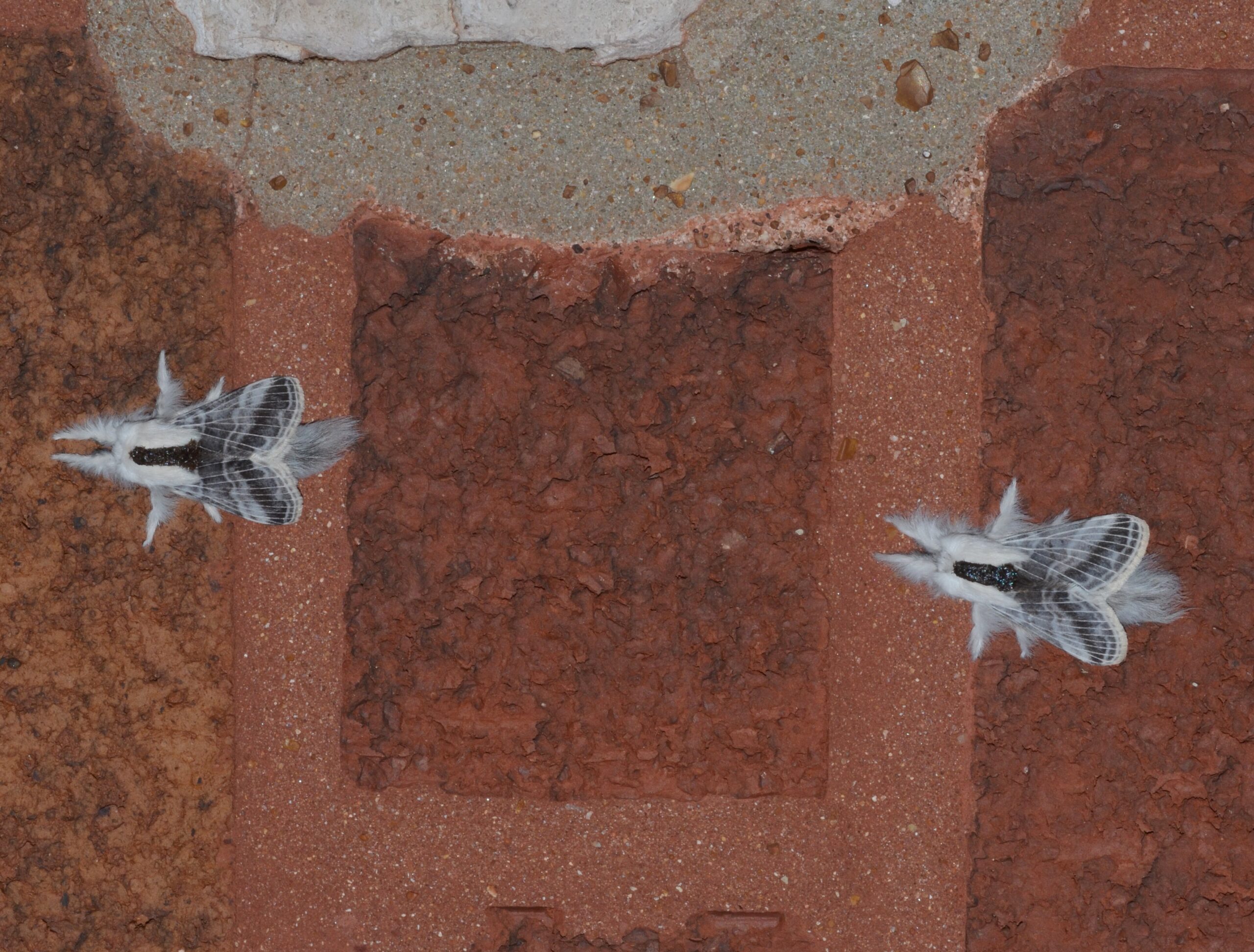
For insects, the page is specific. They can be drawn in from far away to a single light, which significantly reduces population levels and changes the food available to other wildlife. That second effect matters in a yard, where insects feed birds, bats and other animals, and a light that pulls insects away from the plants they would otherwise visit changes who eats what.
The Park Service adds that light pollution can disrupt predator and prey relationships, reproduction, habitat selection, navigation and migration across species. Ellas’s phrasing, that insects need darkness to survive and reproduce, is a gardener’s version of the same point.
What the Fixtures Themselves Can Change
The Park Service’s page on protecting night skies at home is about the lights rather than the insects, and it makes the case that dialing back does not mean going dark. It says adequate night lighting still matters for safety, health and home security, so the goal is appropriate light rather than none.
Within that goal, the page gives a few directions. Warm amber lighting is best for minimizing effects on neighbors and wildlife, and warm white LEDs are also recommended. Some fixtures cause direct glare that affects vision and lights the ground unnaturally, so reducing glare from fixtures is part of the fix. Replacing old lights with efficient LEDs saves energy and money, and long-lived LEDs cut replacement costs.
The page also notes that dark nights help keep circadian rhythms in sync, which supports healthy sleep. It does not address timers, specific brightness levels or effects on insects, and it points readers to DarkSky International’s home lighting assessment and LED guide for more detail. Those gaps leave room for the individual yard: which lights are needed for a walkway or entrance, and which only burn for habit.
Hollow Stalks Take No Work at All
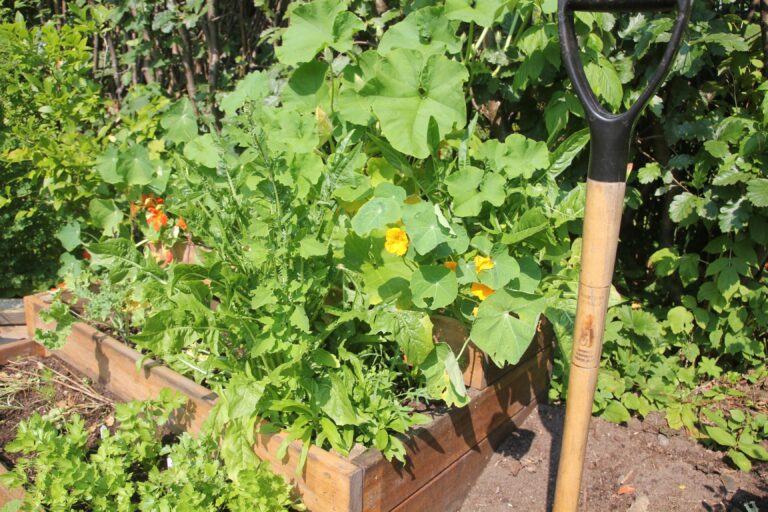
The other conservation step in the column asks for less effort than any chore on the list. Ellas said to leave hollow stalks on sage and similar plants as nesting sites for native bees, following Xerces Society guidance, and to leave some seed stalks on ornamental grasses and perennials to feed birds over winter.
The Xerces Society’s blog on stem-nesting bees, by publications specialist Sara Morris, explains why. About 30 percent of solitary native bees nest in stems, it says, including small carpenter bees and mason bees. Females pick old, dried stalks from the previous year’s growth and chew a tunnel down the center, storing pollen and nectar in separate cells, one per offspring. A stem that gets cut may already hold a nest.
The society’s Leave the Leaves post, from Sept. 17, 2026, says plant stems and flower heads can stay standing until spring, and that anyone who does clean up should wait until late spring, after winter has passed, to avoid disturbing wildlife.
Where the Lighting Step Fits in a November Yard
Ellas’s column is a general November list for California gardens, and the conservation items sit apart from the planting and pruning tasks. The seed stalks, the hollow stalks and the lighting change share a trait: each is a decision to do less. Nothing has to be bought, planted or dug.
That is what separates the lighting step from the rest. A seed head left standing is visible, and a bee nest in a stem is easy to picture. A light left on all night leaves no obvious sign of its effects, so the Park Service’s explanation is the part that connects it to the garden: insects drawn in from far away, fewer of them reaching the plants and wildlife that depend on them, and populations that fall as a result.
For a yard with several lights, the sources suggest a simple audit. Identify which lights serve safety and security, keep those, and switch the rest to warm, low-glare fixtures or turn them off for the night. The column does not set a number of hours or a brightness, and neither does the Park Service, so the choice is left to the household.
This article was produced with AI assistance and edited for accuracy against the sources linked above.
Image: Andy Reago & Chrissy McClarren – CC BY 2.0/Wikimedia Commons