Twin Cities Homeowners Haven’t Been Allowed to Put Yard Waste in the Trash Since Jan. 1, 1990, Under a Minnesota Law Extended Statewide in 1992
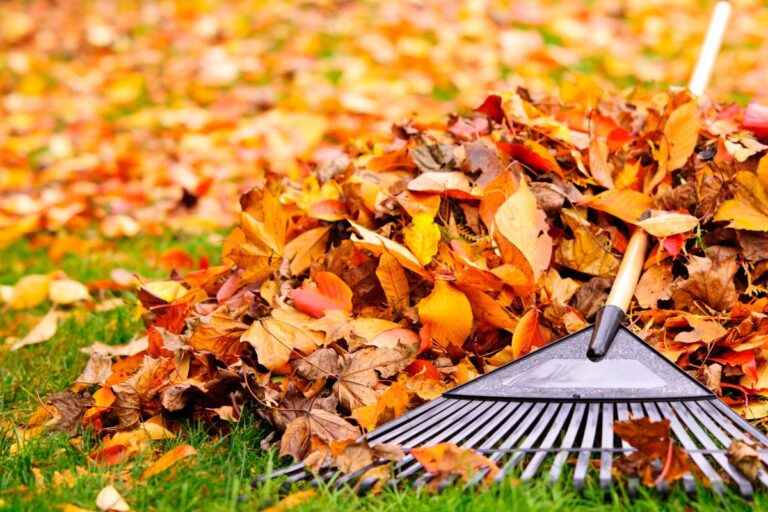
Hennepin County puts the rule in one sentence on its yard waste page: putting yard waste in household garbage is illegal. The county counts grass clippings, leaves and branches as yard waste, according to Hennepin County’s yard and tree waste page.
The county rule rests on a state law that has been in place for more than three decades. Minnesota Statutes section 115A.931 set the date for the Twin Cities area at Jan. 1, 1990, and for the rest of the state at Jan. 1, 1992.
Two Dates in One Statute
The law’s text, posted by the Minnesota Revisor of Statutes, says that unless the state pollution control agency authorizes otherwise, a person may not place yard waste in mixed municipal solid waste, in a disposal facility, or in a resource recovery facility except for reuse, composting or cocomposting. The ban applies in the metropolitan area after Jan. 1, 1990, and outside it after Jan. 1, 1992, according to the 2026 Minnesota Statutes.
The statute’s history lists the original 1988 session law and amendments in 1991, 1992, 1995 and 2009.
What the 2010 Plastic Bag Rule Changed
A later part of the same section covers bags. From Jan. 1, 2010, yard waste or compostable material from a metropolitan county may not be delivered to a transfer station or compost facility in a plastic bag unless the bag meets the ASTM D6400 specification for compostable plastics, the statute says.
A person who immediately empties a plastic bag at the site and removes it is exempt. Hennepin County tells residents to bag yard waste in paper bags or certified-compostable plastic bags marked with the BPI compostable logo, and to contact their hauler or city about curbside pickup.
Leaf Drop-Offs in Ramsey and Washington Counties
Ramsey County says on its yard waste page that state law prohibits mixing leaves, grass clippings, brush and other plant material with trash. The county runs seven free sites for its residents. Summer hours, April through November, are Monday, Wednesday and Friday from 11 a.m. to 7 p.m., Saturday from 9 a.m. to 5 p.m. and Sunday from 11 a.m. to 5 p.m. From December through March the sites are open only on Saturday and Sunday.
All Ramsey sites take leaves, grass, pumpkins and garden waste. Four of them also take trees, branches and shrubs. The county does not accept bags, plastic or paper, and the page warns that fall brings heavy traffic and weekend waits. Business and landscaping loads are not allowed.
Washington County says flatly on its yard waste page that it is illegal to put yard, garden or tree waste into the trash. Its North Yard Waste Site in Forest Lake is open to households in Washington and Ramsey counties and takes leaves, grass clippings, garden waste, brush and shrubs. Visitors are asked to empty yard waste bags on site and take the bags with them.
Greater Minnesota Works Under the Same Law
Outside the metro area the ban reached homeowners on Jan. 1, 1992. Rice County says on its yard waste page that Minnesota law bans yard waste from landfills, and that leaves, brush, grass clippings and branches count.
The Rice County Solid Waste Facility and the community compost sites in Faribault, Lonsdale, Northfield and Morristown take yard waste free. Leaves, grass clippings and garden residue go in one pile, and branches and brush go in another. Compostable bags are allowed, but plastic bags are not, because they cannot go into the compost area.
Mulch First, Bag What Is Left
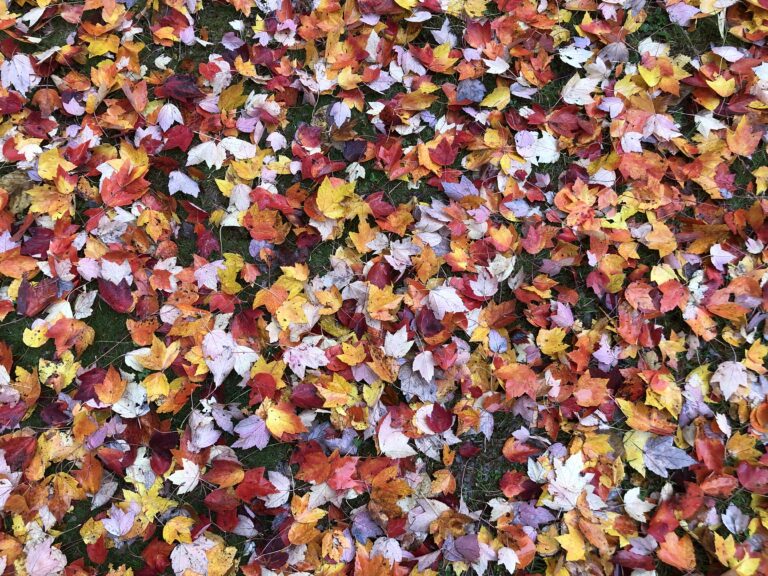
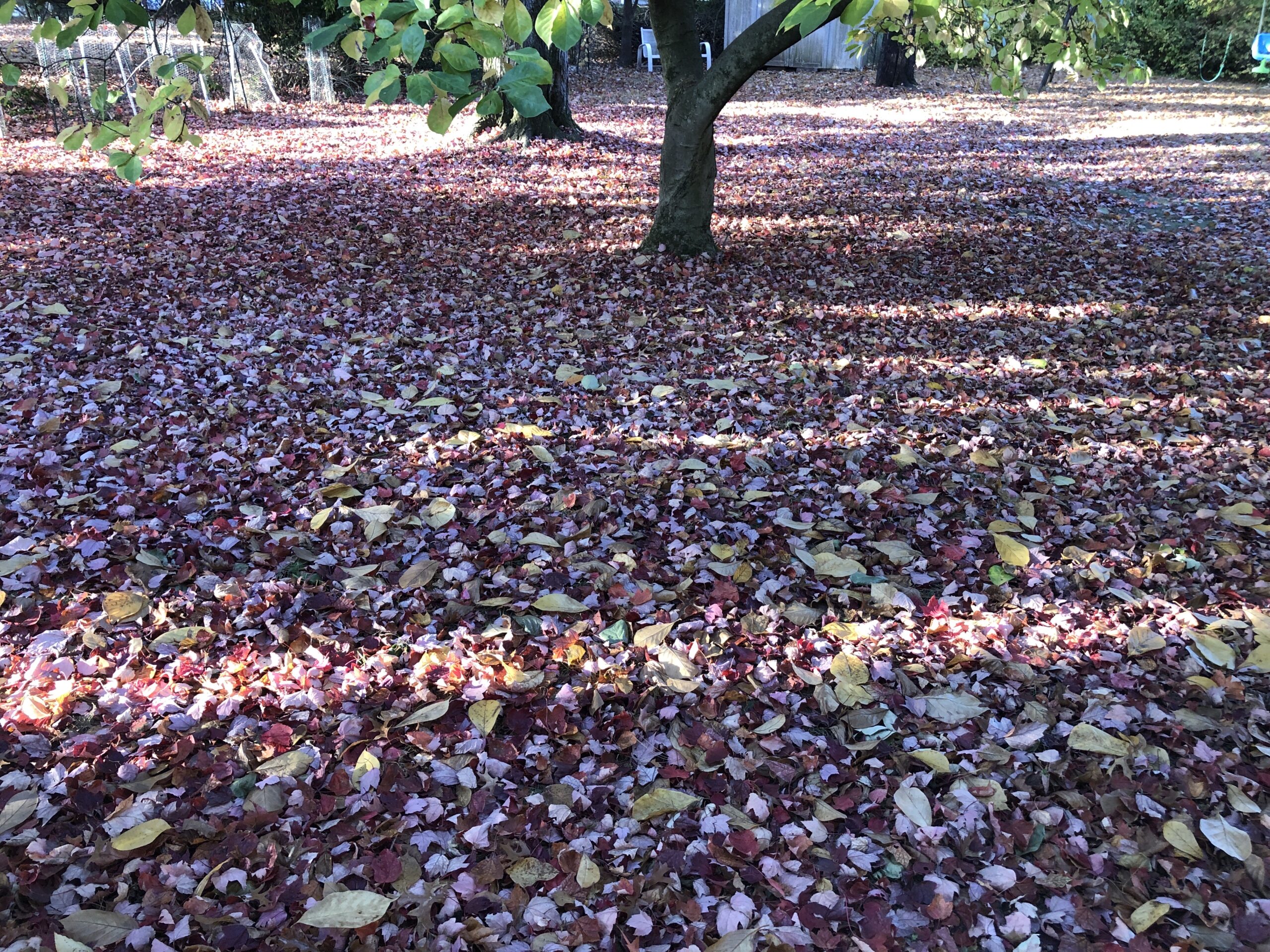
The University of Minnesota Extension has a simpler answer for much of the leaf pile: mow it into the lawn. Extension educator Jon Trappe writes in a fall leaf mulching article that leaves should be mulched into the lawn regularly while they are dry, with a second pass for finer pieces that break down faster.
Mulched leaves return nitrogen, potassium and phosphorus to the soil, much like grass clippings, though with less nitrogen, Trappe writes. He says the leaf cover also fills bare spots and helps keep weed seeds from germinating.
The advice has a limit. Excess leaf litter can promote snow mold in spring, so Trappe says to keep mulching until only about half the lawn surface is visible. Once less than half is showing, the leaves should be bagged and composted off-site, which is where the county sites and the state’s bag rule come in.
Hennepin County also says leaving grass clippings on the lawn returns nutrients and can reduce fertilizer needs, and that home composting turns yard and kitchen waste into organic material for soil. Washington County adds that a home bin can combine leaves, grass, plant trimmings and fruit and vegetable scraps, and that residents can order a compost bin through the county.
Get stories like this by email. Sign up for The Parent Diaries Letter.
This article was produced with AI assistance and edited for accuracy against the sources linked above.
Image: Famartin – CC BY-SA 4.0/Wikimedia Commons