A Missouri Neighbor Fought a New Couple’s Fence Because He’d Lose the Spot Where He Parked for 26 Years. The Property Markers Put That Spot on Their Land.
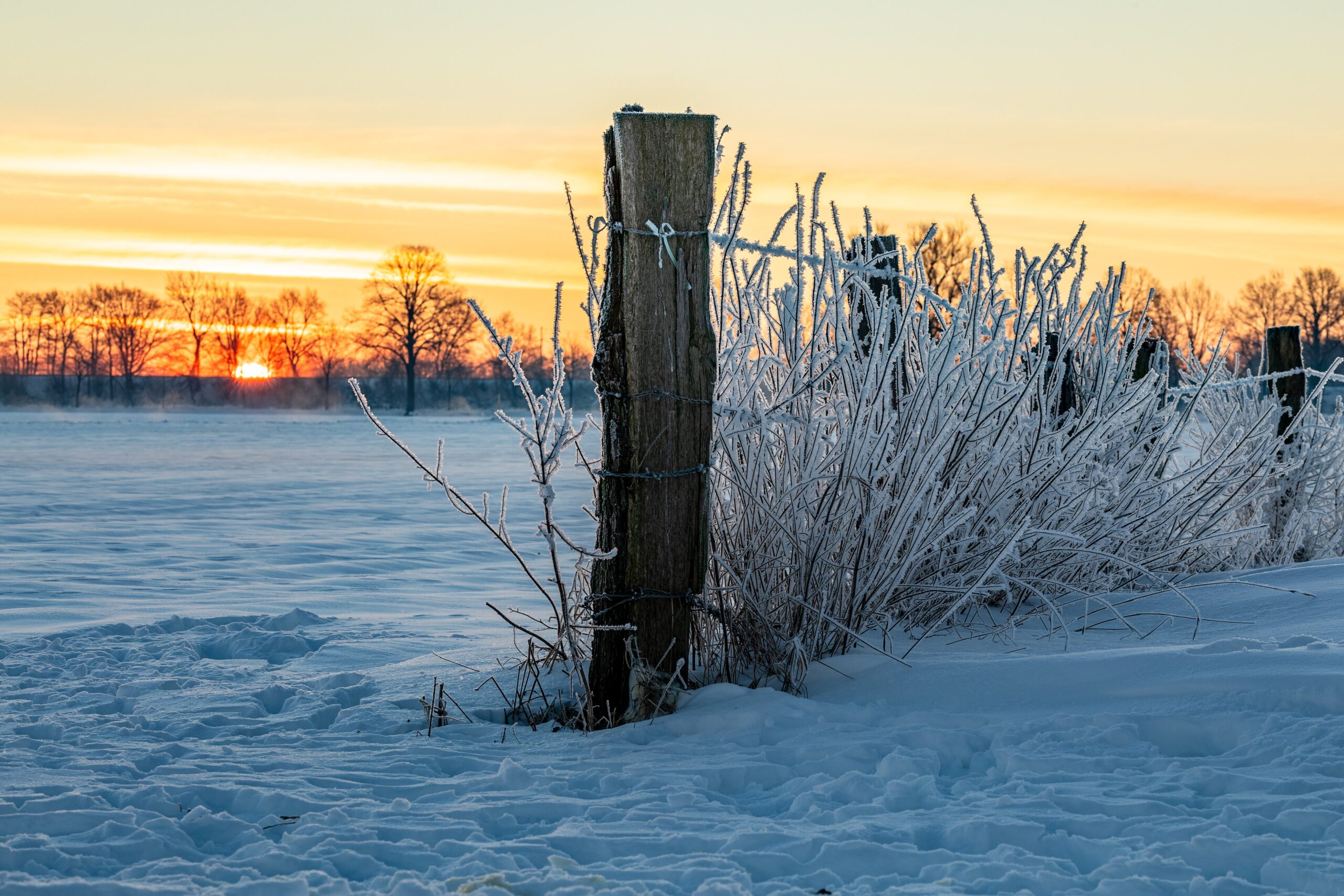
A young family bought about three acres outside a small Missouri town with plans to raise their kids, keep a garden and add a few chickens. The first project was simple: a 4-foot wood post and woven-wire fence around the unfenced edge of the property.
The neighbor to the east wanted none of it. His reason, it turned out, was a parking spot he had used for about 26 years. When the property markers were found, that spot was on the new family’s land.
A Fence That Followed the Rules
The story, posted by the homeowner in an online homeowners forum, was written up by FAIL Blog managing editor Brad Dickson. The house sits in a no-through subdivision of roughly 12 homes. According to the write-up, the neighborhood covenants were technically in place but not enforced, and the planned fence complied with them.
In the first conversation about it, the neighbor reportedly rejected the fence outright, including the plan and the style. When the homeowner marked the fence line on the ground, he got angry and said he would no longer be able to park his truck or get around his shop.
What the Markers Showed
The homeowner’s brother, who works for a surveying company, did an unofficial check and located the property markers. Two things came out of it.
The first was that the neighbor’s parked truck sat on the homeowners’ side of the boundary. The second was that the neighbor’s shop had been built within 10 feet of the property line. The covenants call for a 40-foot setback.
So the objection to the new fence rested on a parking space that belonged to someone else, next to a building that broke the same covenants the fence followed.
The neighbor, who runs a well-digging business based in the neighborhood, said he was moving. The homeowner doubted it. “He’s been there 26 years and can’t understand why anyone would do this,” the homeowner wrote.
Why 26 Years of Parking Can Matter
Long use of a neighbor’s land is exactly the kind of thing that can turn into a legal claim. University of Missouri Extension’s Hank Stelzer writes in an MU Extension piece on boundary line disputes that in Missouri, possession must be continuous for 10 years, and must be hostile, open and notorious, and exclusive, before a person can gain title through adverse possession. He also notes that boundary disputes often start when old fences are rebuilt or moved, and that some end in a quiet title lawsuit.
That doesn’t mean the neighbor has a winning claim. Legal publisher Nolo explains that in Missouri the person claiming the land carries the burden of proof, the titleholder is presumed to be the owner, and a successful claim covers only the portion of land actually used. FAIL Blog’s write-up also pointed to Missouri’s 10-year period and said a local property lawyer should be consulted before the family acts.
Getting the Line Right Before the Posts Go In
An unofficial check by a relative is a good start, but it isn’t the final word. New York’s State Education Department, which licenses land surveyors, advises in its consumer guidance that boundary locations should come from a current survey performed for the owner by a licensed surveyor, and that corner markers should be spelled out in the contract.
Where a fence ends up also decides who owns it. FindLaw’s guide to property-line fences says a fence built entirely on one owner’s side generally belongs to that owner, while one on the line itself is typically shared.
Survey surprises like this one keep coming up, including the case of two neighbors who feuded over a fence line for a decade before a survey showed both were wrong, and a homeowner whose neighbor kept widening her driveway onto his property.
Readers Said Build It
Of the 35 commenters FAIL Blog counted, 31, or 88.6%, told the family to go ahead with the fence. They disagreed on how much notice to give and whether to get a formal survey first.
The homeowner admitted the fight had taken a toll, writing that the conflict had grown into a huge thing mentally and that the arguments with the neighbor had started playing out in imagined conversations.
The write-up doesn’t say whether the fence has gone up, whether the neighbor is really moving, or whether anyone has called a lawyer. It ends on the line most of the commenters agreed with: “Good fences make good neighbors.”
This article was produced with AI assistance and edited for accuracy against the sources linked above.