Oak Wilt Confirmed in Manitowoc County, Wisconsin, for the First Time, in Mishicot, About 20 Miles From the Nearest Known Infection
The Wisconsin Department of Natural Resources has confirmed oak wilt in Manitowoc County for the first time, in a single oak in the town of Mishicot. According to the DNR’s Nov. 6 news release, the nearest known infections are about 20 miles away in Brown County.
The agency said DNA analysis confirmed the fungus in the tree, and that it is the only confirmed case in the county so far.
One Hybrid Oak in Mishicot Tested Positive
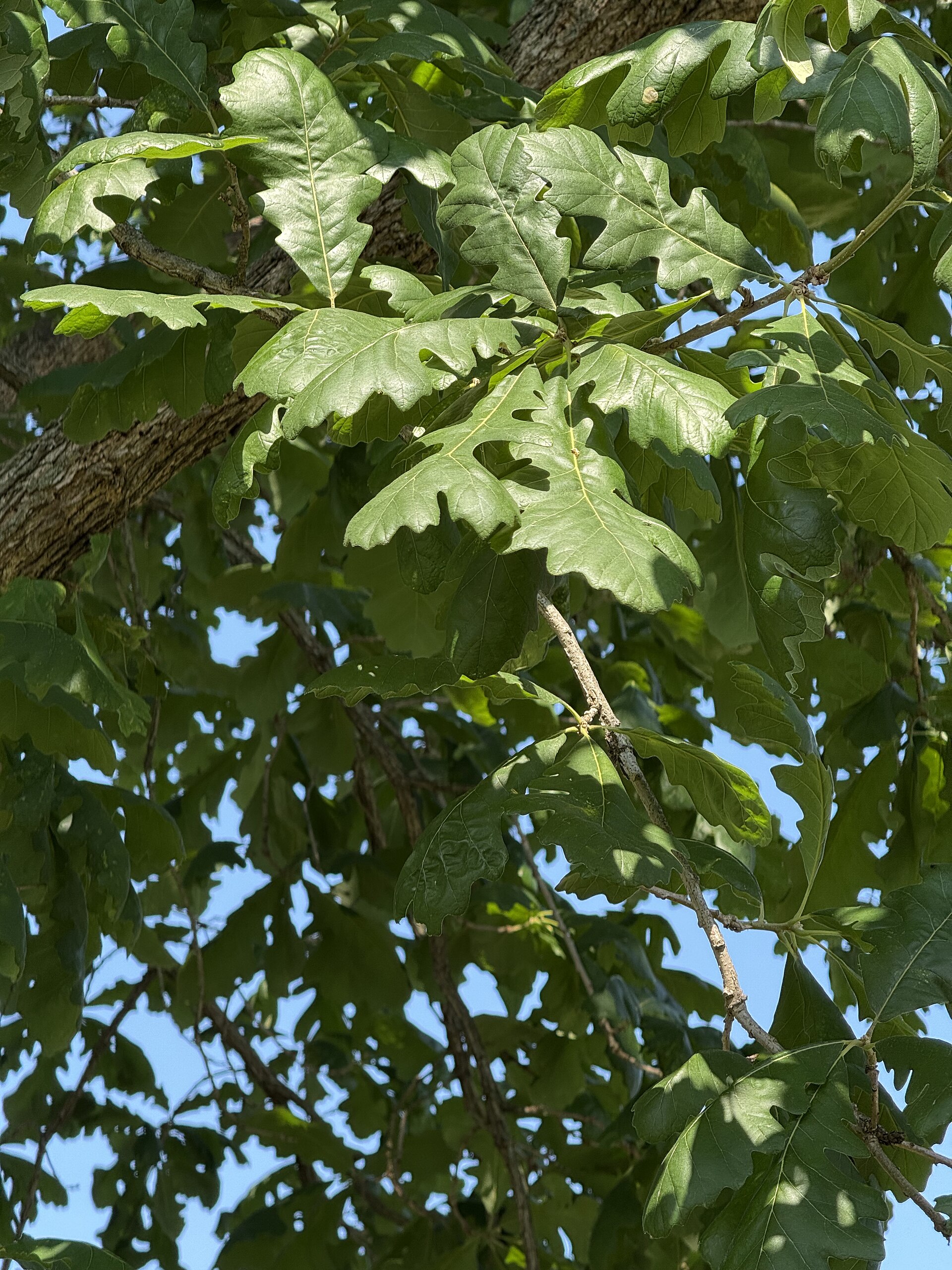
The infected tree was planted in the mid-1980s and is believed to be a hybrid of bur oak and swamp white oak, the DNR said. The property owner noticed unusual symptoms and reported them to the department, which led to the testing, FOX 11 reported.
DNR Forest Health Specialist Bill McNee, based in Oshkosh, said in the release that it is unclear how the fungus reached the county. One possibility, he said, is that oak wilt “has been present in the area at low levels for many years.” Another is that someone recently brought it in through infected oak firewood or logs.
McNee described what to look for. The leaves are not the brown, dry ones of autumn, he said, but are “often partially green and partially bronze.”
The most visible signs show up in mid to late summer, the DNR said. Branches show wilted leaves, and leaves drop earlier than expected.
Oaks Are a Small Share of Manitowoc County’s Trees
The DNR expects the overall impact on Manitowoc County to be limited. Oaks make up under 2% of the county’s forest trees and about 1% of its urban trees, according to the release, and other tree species are not affected.
McNee told FOX 11 there is “no need to panic” for that reason. He also said that when people move infected wood over long distances, the fungus can still spread through beetles.
The finding adds one more county to a long list. Oak wilt has now been found in 67 of Wisconsin’s 72 counties, the DNR said. Calumet, Door and Kewaunee counties have never had a detection.
Jason Petrella, program and natural resource manager for the Brown County Parks Department, told FOX 11 that his staff watch closely for tree problems, especially in oaks. Staff who work outdoors, he said, often notice changes quickly.
Beetles, Firewood and Roots Carry Oak Wilt From Tree to Tree
The fungus, Bretziella fagacearum, blocks the tree’s water-conducting system, according to the DNR’s oak wilt page. Sap-feeding beetles carry spores to fresh wounds and to recently cut oak stumps. Fungal mats form under the bark of dead trees and attract more beetles.
Within a stand, the fungus also moves through connected root systems, which creates expanding pockets of dead oaks. The DNR page says symptoms appear from June through September, most often in July and August.
The species of oak matters. The DNR page says red oaks can die within about a month of symptoms appearing, while bur and swamp white oaks tolerate the disease better and may live several years. An older DNR publication on protecting trees from oak wilt says white and bur oaks are much less susceptible than red oaks and may take months or years to die, or may recover.
The DNR also cautions that other problems can cause similar symptoms, and it recommends laboratory diagnosis before any active management. For urban and residential trees, it points owners to a local urban forestry consultant or arborist, or the UW-Madison Plant Disease Diagnostics Clinic for lab testing.
The DNR’s Advice for Oaks in Yards and Woodlots
The main rule is to leave oaks alone in the warm months. The DNR asks homeowners to avoid pruning or injuring oaks from April through July, the period of highest risk, when beetles are active and fungal mats are fresh. If an oak is cut or damaged in that window, the department says to seal the wound right away with water-based latex paint or pruning sealant.
The same publication advises cutting torn branches or roots cleanly and coating the cut surface right away. It also advises being very cautious and avoiding wounds from April 1 to October 1, since infection after July is possible though uncommon.
November sits well outside the high-risk window. A UW-Madison Extension Dane County post notes that arborists had generally recommended pruning oaks only between Nov. 1 and April 1 in southern Wisconsin. The author, Lisa A. Johnson, added that warmer autumns and winter thaws make a fixed calendar hard to give, and pointed to an online beetle-activity tool built by UW-Madison Extension and the DNR.
Firewood is the other half of the advice. The DNR says to keep firewood local and to leave oak firewood and uncut logs where they were cut for one year, or until the bark loosens naturally. The department says wood from dead trees with loose bark, or from healthy trees without wilting, poses no spread risk. McNee told FOX 11 the fungus cannot survive in wood that is dry enough. Firewood rules are tightening elsewhere over other tree pests too: Michigan will bar untreated out-of-state firewood starting Jan. 1 to keep the maple-killing Asian longhorned beetle out.
Anyone who suspects oak wilt can call the DNR’s forest health staff at 1-888-936-7463, available 7 a.m. to 10 p.m. The department said preventing an introduction is far easier than containing an infection, since stopping underground spread is difficult, expensive and may not work.
This article was produced with AI assistance and edited for accuracy against the sources linked above.
Image: Cossey25 – CC BY-SA 4.0/Wikimedia Commons