Ocala Homeowner Adrian Overby Says a Water Treatment Company Dumped Salt and Water on His New Lawn and Killed It After He Canceled Within Three Days
Liberty Home Water has apologized to an Ocala couple and hired a lawn service to repair their yard, days after a surveillance video of a worker dumping water softener salt on their new sod drew more than 1 million views on News 6’s Instagram page. Homeowner Adrian Overby had told WKMG’s News 6 on Oct. 19 that the company’s crew emptied water and salt onto his lawn when it came to remove equipment, and that it killed a section of the grass.
The couple had canceled their contract within three days of signing it. The original account is Overby’s, and the follow-up report says the company has since met with the family and taken steps to make things right.
What Overby said happened after the cancellation
According to News 6 community correspondent Kayla Lewis, Overby and his wife signed with Liberty Water and canceled within three days after learning, Overby said, that the agreement would not be interest-free as they say they were told. The contract states that customers may cancel without penalty or obligation within three business days of signing.
Overby told the station the company installed its equipment before the paperwork was finished. When workers returned to take it out, he said, they left damage behind, including to the yard and plumbing. He said the workers emptied water and salt onto the new sod and “they didn’t replace any of the sod.” In his words, “they killed the whole section of the ground and have refused to come back and fix it.”
The salt seeped into the ground, so fixing the lawn would mean pulling up the soil and replanting sod, according to the report. The Overbys wanted it repaired before their homeowners association started issuing fines. The article gives no contract price or fine amount.
The station’s attempt to reach Liberty Water
Overby said Liberty Water was not answering his calls. News 6 went to the address listed on Google and found an Ocala storage facility with no one present and no Liberty Water listing among the businesses there. Reporters found a second address and reached a company representative, who asked for patience and promised the Overbys an answer within 24 hours, the station reported.
Most of the claims about the company’s conduct in that first report came from Overby and had not been confirmed by Liberty Water.
The apology and the lawn repair
A second News 6 report, published Oct. 23, says Liberty Home Water, also called Liberty Water, met with the Overbys after the first story, apologized and hired a lawn service company to repair the damage. The work was expected to be finished Monday, Oct. 26. The company also reinstalled the couple’s water treatment system at no charge, the station reported.
In a statement to News 6, Liberty said doing the right thing means more than simply saying the right words. The company described the employee as one of its best, and he was not disciplined. The report says he apologized to the family on camera, saying he had a terrible day, that his wife had been in a car accident and that he “took it out on” the Overbys.
Overby said it was “good to see people try to do the right thing.” The report adds that Ethan King of King’s Water Solutions offered the couple a free water system after the story aired. The article does not say when the dumping occurred, does not mention the homeowners association again and gives no repair cost.
Why salt on a lawn is hard to undo, according to extension specialists
None of the extension documents on salt and turf addresses softener salt dumped on a residential lawn, and none speaks to the Overbys’ yard. They do explain the mechanics. University of Arizona turfgrass specialist David Kopec wrote in a 2001 turf tip that water softeners swap calcium and magnesium for sodium, and that sodium build-up degrades soil structure until it becomes dispersed and flaky, with poor water infiltration that starves roots of oxygen.
Clemson Cooperative Extension’s fact sheet by agent Gary Forrester, written about saltwater flooding, says salts harm grass mainly through an osmotic effect: roots struggle to take up water, and symptoms include slowed growth, thinning and leaf tip burn. Salt in the soil can also prevent seeds from germinating, it says.
The recovery steps are slow and wet. Clemson says to flush the area with fresh water, about 1 inch each time, and notes that roughly 6 inches of irrigation removes 50 to 70% of soil sodium. Gypsum is recommended for high-sodium soils but not for sandy soils with low sodium, and reseeding should wait until the site has been flushed. Virginia Tech’s turf recovery publication says a thorough irrigation with potable water usually dilutes salts and that grasses often rebound quickly once salts are flushed.
Hennepin County Master Gardener Kathy Frederickson, writing about road salt in a post last modified in August 2026, adds that overseeding alone will not fix the problem because it does not reduce the salt in the soil, and that dead areas may need topsoil replacement and re-sodding. That matches the News 6 description of a repair that required pulling up soil and replanting sod.
Get stories like this by email. Sign up for The Parent Diaries Letter.
This article was produced with AI assistance and edited for accuracy against the sources linked above.
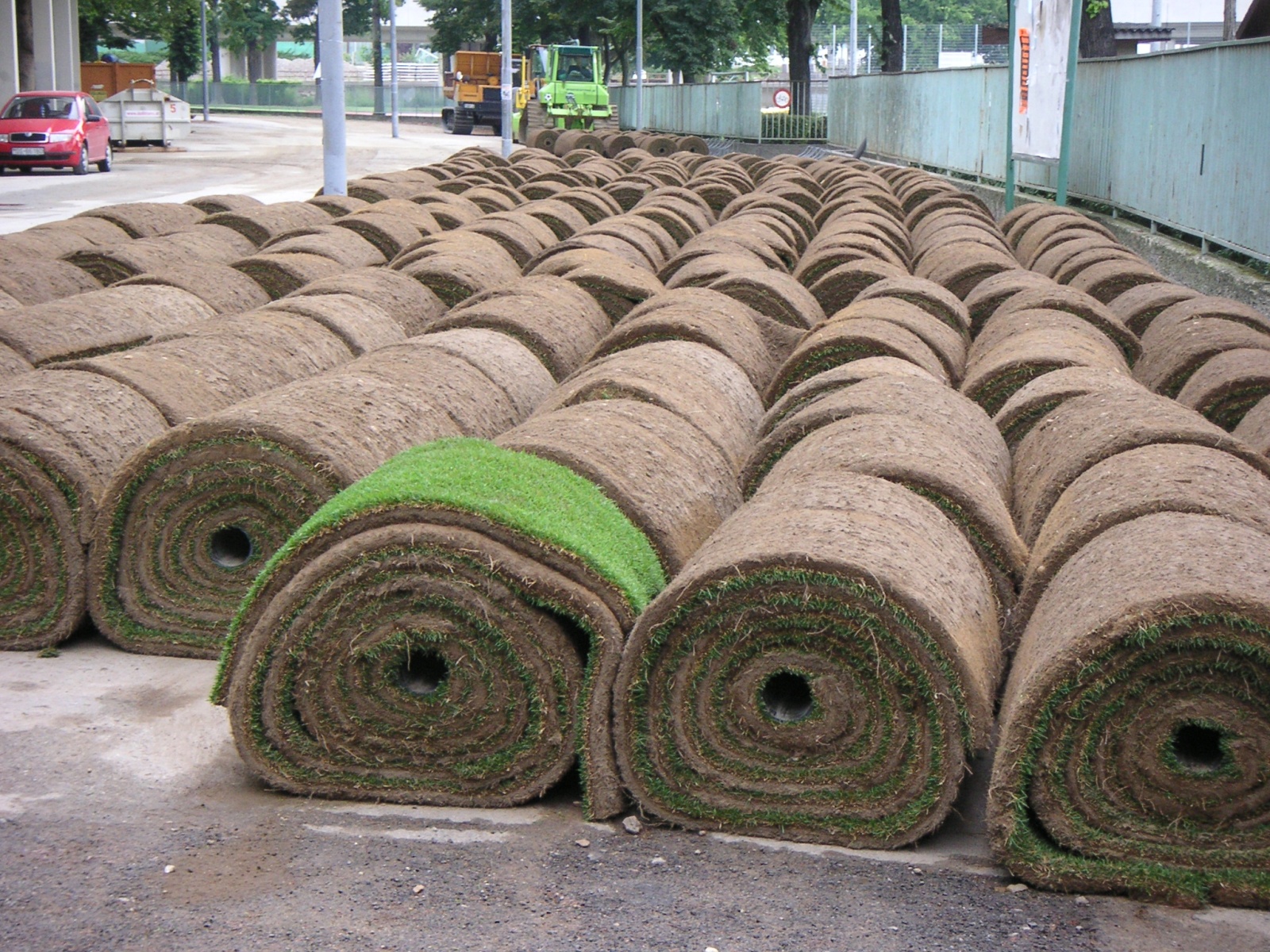
Image: Priwo – Public domain/Wikimedia Commons