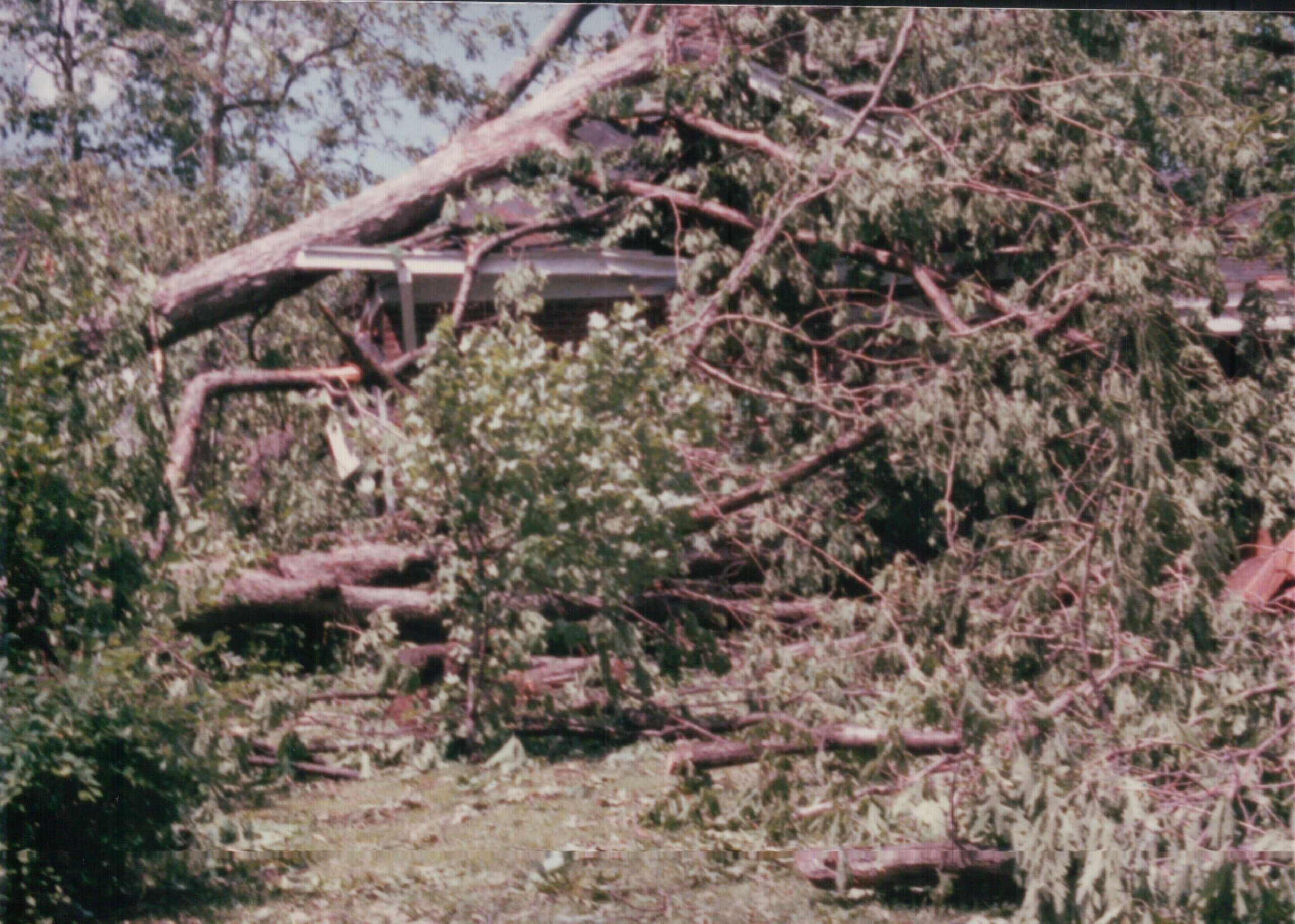
Danielle and Walter Conklin Told Their Ulster Neighbor for Years About a Dead Tree, and Now It Has Wrecked the Home They Paid Off, With Rebuilding Put at Over $500,000
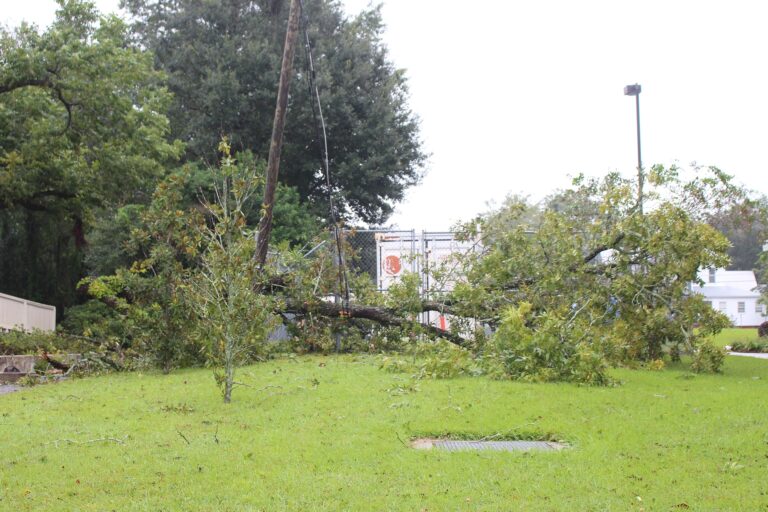
The tree had no leaves, and its decay was plain to see. It stood on a hill on the other side of the street from Danielle and Walter Conklin’s house in Ulster, N.Y. It had been that way for at least five years, Walter Conklin said, before it came down on their home.
The family says they warned the landowner again and again. By early October they had filed a lawsuit and were living in two hotel rooms, facing a rebuild that a public adjuster put at well over $500,000.
A Night in March on Rondout Creek
The tree fell at about 9:30 p.m. on March 12, according to a CBS6 Investigates report by Briana Supardi, published Oct. 5. The family said it narrowly missed them. At that hour, they told the station, they would normally have been upstairs.
The house sits on the waterfront overlooking Rondout Creek. Danielle and Walter Conklin had lived there for about 25 years with their two children and four pets, and they paid off the mortgage in 2018.
The house was their home and it was fully paid for, Walter Conklin told CBS6.
An engineer later concluded the damage and the structural instability made repairs unfeasible, and recommended tearing the house down and rebuilding, CBS6 reported.
Years of Warnings About One Dead Tree
The land across the road belongs to Jonathan “Jay” Morrow, who lives in New York City and uses the 63-acre property as a weekend home, according to CBS6. The station reported the property is worth nearly $2 million.
Walter Conklin told the station he had raised the tree with the landowner, and that it had been dead for at least five years.
The Conklins said they offered to help get it taken down. They also called Ulster County, the utility Central Hudson and tree companies, CBS6 reported, and were told they could not remove a tree on someone else’s private property. Morrow did not respond to the station’s request for comment.
No Insurance, and a Lawsuit That Could Take Years
The family did not have homeowners insurance when the tree fell. They told CBS6 that financial strain had led them to let the policy lapse.
Six months after the fall, the family estimated their hotel bills at about $44,000, according to the report. The public adjuster’s estimate of well over $500,000 covers rebuilding alone.
The Conklins have filed a lawsuit. Greg Rinckey, an attorney not involved in the case, told CBS6 that litigation can take years and that the facts could support a negligence argument, depending on the evidence.
What an owner knew about a tree matters in these disputes. The legal publisher Nolo explains that when a storm brings a tree down and the owner was not at fault, the owner generally owes nothing, and the neighbor files with their own insurer. When the owner was negligent, the owner can be liable. Nolo’s own example is a long-dead branch that neighbors complained about and that was never removed. Notice is often what shows negligence.
Rinckey’s advice for anyone worried about a tree next door was specific, according to CBS6: take photos, give the owner written notice, save every message, contact the municipality and keep homeowners insurance in force.
Fallen trees have upended other families’ homes this fall too, including the Parkers in Lincoln County, whose tree came through the house on a night with no wind.
The Signs Foresters Say Not to Ignore
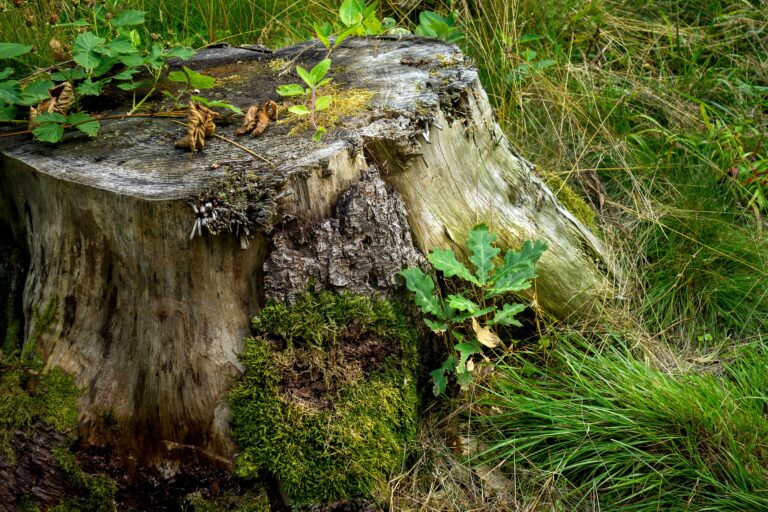
A dead tree near a house is exactly what tree experts flag first. The University of California’s Statewide Integrated Pest Management Program says a damaged tree becomes a hazard when it stands where it could hurt people or damage property. Its warning signs include dead or dying limbs, cavities at the trunk or base, cracks at the trunk or where limbs fork, fungal brackets and mushrooms, soil cracking near the base and a leaning trunk.
The University of Kentucky Cooperative Extension Service’s “Identifying Hazard Trees” fact sheet adds soft or crumbling wood, piles of sawdust at the base and loose bark. In winter, it notes, a missing layer of fine twigs at the ends of branches is one of the easiest clues, because those twigs are usually the first to break off a dead tree. It says trees near houses should be inspected first, and that large cracks running into the wood mean a tree may be failing and needs attention right away.
Not every problem shows. UC IPM notes that internal decay, root damage and lightning injury can be hidden inside a tree that looks sound, which is one reason it recommends regular expert inspections for any tree standing near people or property. It also says protecting trees from injury and construction damage lowers the chance they become hazards in the first place.
Jennifer Behnken, a community forester with the Missouri Department of Conservation, has urged owners to check large trees near homes often and to call a certified arborist at any sign of rot, damage or insects. From a distance, the department’s release says, a lean, dead branches, sections with no leaves or a thin canopy can all mean a tree is dying, and a split trunk should be dealt with immediately. Being proactive and catching a problem early is better, she said.
The UC and Kentucky guides both point owners to an arborist certified by the International Society of Arboriculture for an inspection. For the Conklins, the tree in question was never theirs to inspect or remove. The case will now decide who pays for what it did.
Get stories like this by email. Sign up for The Parent Diaries Letter.
This article was produced with AI assistance and edited for accuracy against the sources linked above.
Image: Nicole Johnson – CC BY 4.0/Wikimedia Commons