A Texas Appeals Court Sided With a Conroe HOA in Its Fight With Army Veteran Tyra Swanson Over Her Bee Colonies, Leaving a $2,500 Fee Order in Place
A Texas appeals court on Oct. 22 upheld the dismissal of a lawsuit that Conroe beekeeper Tyra Swanson filed against her homeowners association, Lake Forest Falls, and left in place a lower court’s order that she pay $2,500 toward the association’s attorney’s fees. The bee colonies at the center of the fight are still where they have been for about five years, on her own lot beside the neighborhood’s Spillway Park.
The ruling did not decide whether her hives break any neighborhood rule. It found that her lawsuit came too early, before the association had formally decided she had violated anything.
Hives Beside a Neighborhood Pavilion
Swanson, a retired Army veteran, has kept bees for roughly a decade, and her colonies have sat in the same spot near Spillway Park for about five years, according to a report published Oct. 31 that drew on KHOU 11’s coverage. She has described the hives as a hobby that helps her relax.
Her property is small, and the trees near the hives give them shade. She told KHOU 11 that her lot has few other suitable places to put them.
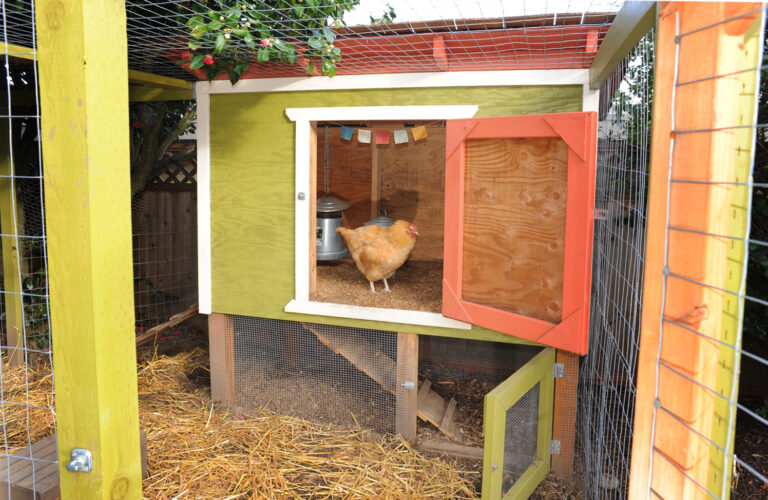
In April 2025, the Lake Forest Falls Deed Restriction Compliance Committee sent her a letter saying her bee boxes were next to a pavilion where families gather and eat. The letter asked her to move the hives farther from the common area, possibly to the other side of her house or to another property. It also raised concerns about chickens wandering toward the park and warned that she could be fined if she did not respond.
An attorney for the association told KHOU 11 that bees near Spillway Park had stung HOA members and board members, and that the association sees the hives’ closeness to the gathering area as a safety concern. It has not been established that Swanson’s colonies were the bees responsible.
What the Appeals Court Decided
Swanson went to court instead of waiting for the association to act. A district court dismissed her lawsuit and ordered her to pay $2,500 toward the association’s attorney’s fees. On Oct. 22, 2026, a Texas appeals court affirmed that decision.
The appeals court’s reasoning turned on timing. Because the association had not yet made a formal determination that she violated the deed restrictions, the court found the suit premature. That leaves the core question, whether the hives can stay where they are, unanswered.
In the meantime, Spillway Park has been closed amid the dispute, and some residents have complained about the closure and the condition of the grounds. As of the latest reporting, there was no confirmed resolution, and Swanson had not moved her bees.
The Steps a Texas HOA Has to Take First
Texas law spells out what an association must do before it can fine a homeowner, which helps explain why the fight could start over. Under Section 209.006 of the Texas Property Code, an HOA must send written notice by certified mail before it fines an owner, suspends common-area rights or sues over most violations.
That notice has to describe the violation and any amount owed, give the owner a reasonable period to cure a violation that can be cured and does not threaten public health or safety, and tell the owner of the right to request a hearing within 30 days. If the owner fixes the problem before the cure date, no fine may be assessed.
A guide to the Texas Residential Property Owners Protection Act from FirstService Residential notes that owners can often ask for a hearing before the board takes final action, under Section 209.007, giving both sides a chance to resolve a dispute before fines start.
Garden disputes with associations have been running hot this fall. In Georgia, an Acworth family’s front-yard vegetable troughs drew $25-a-day fines, and in Tennessee, East Ridge mowed down Chester Perry’s native plant garden after his appeal went astray.
How Texas Beekeeping Guidance Handles Small Lots
Texas has no single setback rule for backyard bees, but the state’s apiary inspectors at Texas A&M have published guidance that speaks to exactly the kind of tension at Lake Forest Falls.
The Texas Apiary Inspection Service’s voluntary best management practices for honey bee health advise beekeepers to keep hives away from the general public and, when hives sit near property lines, to talk with neighbors and consider their concerns. On small lots, or within 200 feet of a developed part of a property, the guidelines call for a flyway barrier, such as a solid fence, wall or dense vegetation at least six feet tall, that forces bees to fly up and over people.
The same guidelines suggest no more than three colonies on a lot of a quarter-acre or less, and a steady water source near the hives so bees do not go looking for pools or hot tubs next door.
The guidelines scale with lot size. A quarter-acre to half-acre lot is suggested for up to six colonies, and a half-acre to an acre for up to 10, with higher temporary limits allowed for no more than 60 days to control swarming. They also advise beekeepers to keep an eye on neighbors’ outdoor activity when deciding when to open a hive, and to fence properties with hives or otherwise control access to them.
None of those practices are binding on their own. Whether they apply inside a particular subdivision depends on its deed restrictions and how the association enforces them, which is the question the Conroe case has not yet reached.
What Happens Next in Conroe
The appeals ruling puts the dispute back where the Property Code expects it to start: with the association. If Lake Forest Falls moves forward, it would need to make a formal finding and follow the notice, cure and hearing steps before any fine could stand.
For Swanson, the ruling means a $2,500 bill tied to a lawsuit that never reached the question she cared about. For the neighbors, it means a park that remains closed while bees keep flying from the lot next to it.
Get stories like this by email. Sign up for The Parent Diaries Letter.
This article was produced with AI assistance and edited for accuracy against the sources linked above.
Image: Velvet – CC BY-SA 4.0/Wikimedia Commons