A Tree Came Down Through the Parkers’ Lincoln County Home on a Night With No Wind, Starting a Stove Fire, and Viola Parker’s Warning Got Her Family Moving
Firefighters in Lincoln County, N.C., say there was no wind and no storm on the Tuesday night in mid-October when a large tree came down through the Parker family’s home. The tree crashed through the roof, started a fire on the stove and trapped two people inside, according to the South Fork Fire Department’s account to WSOC-TV. Viola Parker says she heard it cracking a moment before it fell and yelled for her family to move.
A cracking sound in the dark
Viola Parker told WSOC in a follow-up interview that she first thought the loud cracking noise was her son shooting outside. Then she realized it was coming from the tree, and she shouted a warning to her husband, Robert, and their son, Matthew.
Robert was praying a few feet from where the tree came through the house. Matthew was in another room. The tree crashed through the home, and a fire started on the stove.
Viola was injured and trapped as the family tried to get each other out. Robert found a phone and called 911, afraid his wife would not be able to escape. “100% a miracle,” he told WSOC of how it ended.
Trapped between the porch and the kitchen
Crews were dispatched around 9:19 p.m. to the single-wide mobile home, WSOC reported, and South Fork’s Engine 70 arrived in under two minutes. Fire Engineering, citing the department’s Oct. 14 news release, placed the home on Hestertown Road near Lincolnton, about 30 miles northwest of uptown Charlotte.
Firefighters found two adults and a teenager in the home. One person was trapped between the front door and the porch, and the other near what crews believed was the kitchen. As firefighters worked to free them, a fire ignited in the middle of the structure, and crews ran a hose line to hold it back while the rescue continued. The extrication took about 10 minutes, and Lincolnton Fire Rescue 2 helped South Fork crews free both people.
Both were handed to Lincoln County EMS and taken to a hospital. “It was a miracle that they were able to get out of that house,” South Fork Assistant Chief Isaiah Herndon told WSOC. More than a week later, Viola was still receiving medical care, and WSOC described the home as in ruins.
A tree that fell on a calm night
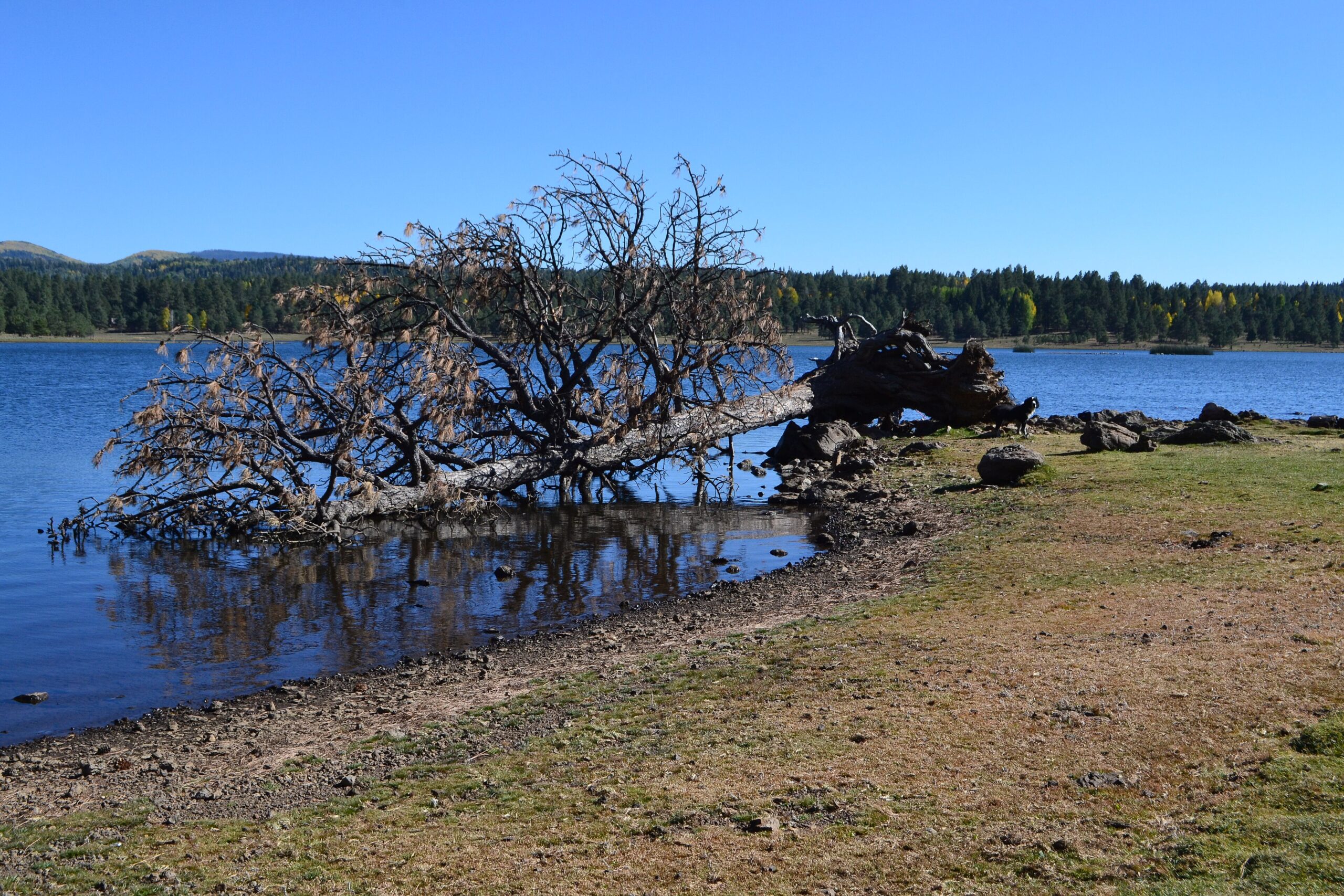
What stands out is the weather. Firefighters told WSOC there was no wind or storm at the time, and the cause of the fall has not been determined. The first report said the large tree uprooted a mound of dirt in nearby woods as it went over, then fell through the roof and knocked out the wall on the far side of the home.
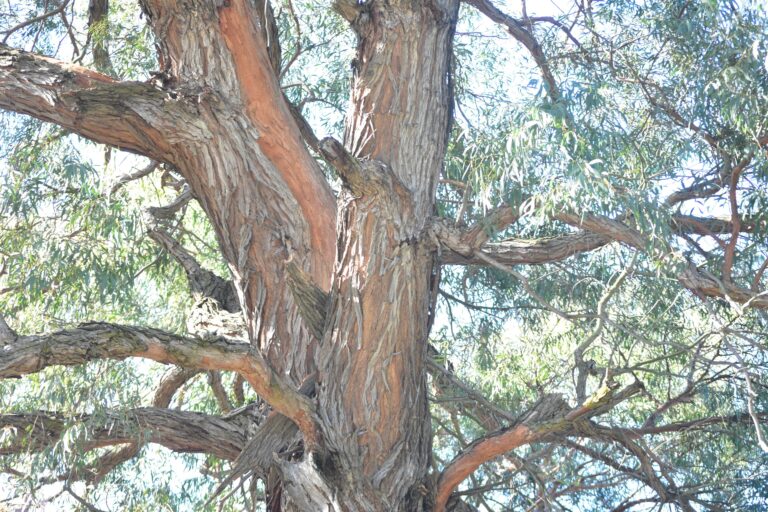
Root problems are among the hardest tree defects to spot. University of Florida extension researchers, in a homeowner guide called “Is my tree safe?”, write that belowground defects are hard to see but can show up as gradual thinning or dieback in the crown, cavities or swelling at the base, mushrooms or conks near the trunk, and broken or cut root stubs at the surface. If the main support roots look dead, decayed or missing, the guide says an arborist should check whether the tree could collapse.
The same guide flags soil heaving around a leaning tree as a high-risk sign that calls for an inspection right away, and warns that a lean that keeps growing over a short period is also high risk. Leaning trees on steep slopes or in saturated soil are more likely to fail. The UF authors also point to problems people create without realizing it: planting a tree too deep or piling soil over its root flare can lead to root dieback and disease, and roots that circle the trunk can girdle it and weaken its anchorage. A lean that appears suddenly, they write, suggests partial root failure and needs attention right away.
Warning signs worth a closer look this fall
Heather Kolich, an agriculture and natural resources agent with University of Georgia Extension in Forsyth County, lists the signs of a hazardous tree in plain terms. A tree leaning 30 degrees or more with something in its fall path is hazardous. Large cracks, cankers or cavities in the trunk point to serious decay. Bare or browning upper branches can signal root failure. “Mushrooms are a sure sign of decay within the tree,” she writes, whether they grow on the trunk or the ground around it.
Alabama Cooperative Extension’s tree assessment guide adds a check that takes a minute: look at the soil on the side opposite a lean. Mounded soil there, especially with cracks, signals serious root damage, and the guide treats a lean with mounding as a reason for immediate removal. It advises calling a certified arborist whenever there are cracks, leans with soil changes or any uncertainty, and to give the highest priority to large trees that could reach a house, power lines or a road.
The Georgia and Florida guides both point homeowners to certified arborists, and the Florida authors recommend an ISA Certified Arborist with tree risk assessment experience. Kolich’s guide notes they can be found at treesaregood.org.
Fallen trees have been a theme across North Carolina this month. Lovely Garden Roots has reported on how Kim Siems helped her northeast Raleigh neighbors clear fallen trees after the Oct. 11 tornadoes. In Lincoln County there was no storm at all, and the only warning the Parkers got was the sound Viola heard.
Get stories like this by email. Sign up for The Parent Diaries Letter.
This article was produced with AI assistance and edited for accuracy against the sources linked above.
Image: Lucario298 – CC BY-SA 4.0/Wikimedia Commons