A Little Haiti Homeowner Is Suing After a Crew Clearing the Next Lot Cut Down the 50-Foot Oak on His Property Line
The call came from a tenant, and the tenant was panicking. A crew clearing the lot next door to Stefan Pizzi’s duplex in Miami’s Little Haiti had cut down the roughly 50-foot oak that stood on the property line. Pizzi, who bought the duplex in 2023 with his girlfriend, Adriana Ocampo, is now suing the neighboring property owner, others involved in the construction and the notary who stamped the paperwork that cleared the way.
At the center of the case is a consent letter submitted to the City of Miami with the couple’s names on it. Pizzi says neither of them wrote or signed it.
A 50-foot oak beside an orange fence
The tree came down last year while crews were clearing the neighboring land for a new single-family home, according to WSVN 7News, which reported on the lawsuit Oct. 20. Several trees on that lot were removed at the same time, and the oak on the shared line went with them.
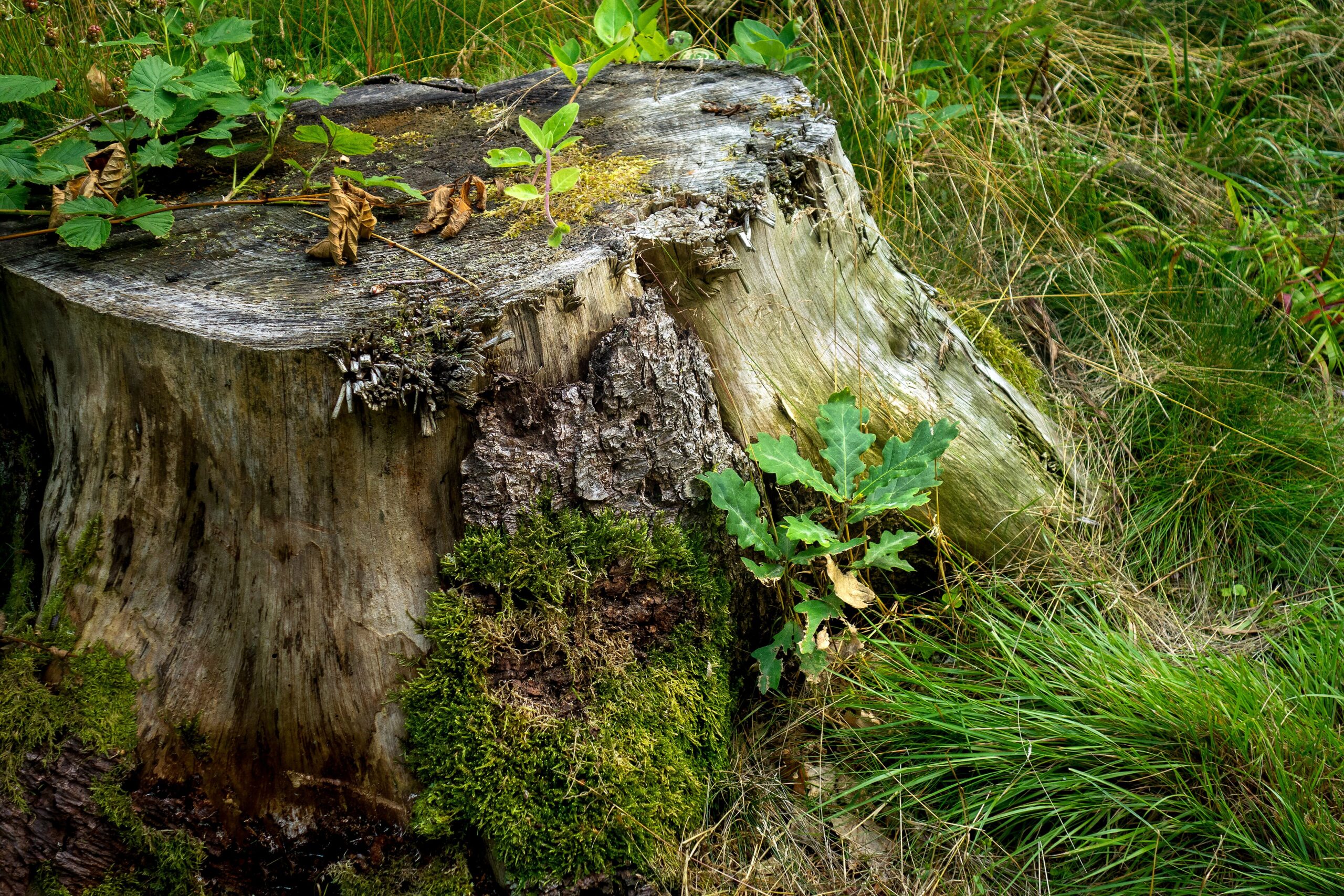
Pizzi told the station the oak was a defining feature of the home, standing out against the orange fence along the property. With it gone, he and Ocampo ground down half of the remaining stump, closed a gap in the fence and planted bamboo to block the view of the new house going up next door.
A consent letter the owners say they never signed
When Pizzi asked how the tree could be taken, the owner of the neighboring property, JF Property Holdings LLC, told him it had a permit and a signed consent letter. The letter, filed with the City of Miami by the developer of the neighboring lot, says Pizzi and Adriana Victoria Ocampo had been informed that the tree was scheduled for removal because of the new house.
Pizzi says they never wrote it. He told WSVN the signatures were completely different from the names on the letter.
A city representative told WSVN that the department processed the permit assuming all parties had acted in good faith. If the submission proves to be fraudulent, the city said, it will follow any investigation and take appropriate action.
What the court has done so far
Pizzi’s lawsuit names JF Property Holdings and three others involved in the construction and tree removal. It originally included counts of trespass, conversion, fraud and forgery. The notary who notarized the consent letter is also being sued, for negligent notarization.
In July, a judge permanently dismissed the fraud and forgery count. The defendants’ attorneys told WSVN that the claims about irregular signatures aimed at their clients have been dismissed, and they called the case a “classic Miami money grab.” The remaining claims are still pending.
Pizzi told the station he wants the city to take the matter seriously, saying the case is about more than one tree being cut down and that the practice needs to stop.
What Florida law asks of a notary
The claim against the notary turns on what notaries are required to do before they stamp a signature. Under Florida Statutes section 117.05, a notary may not notarize a signature unless the notary personally knows the signer or has satisfactory evidence of the signer’s identity, such as a current driver license or passport. The notarial certificate must state whether the signer appeared in person or by approved audio-video technology and what identification was used.
Section 117.107 lists acts notaries are forbidden to commit. One is notarizing a signature when the signer does not appear before the notary, either in person or through authorized audio-video technology. That violation is a civil infraction punishable by a penalty of up to $5,000, and a lack of intent to defraud is no defense. Whether any of that applies here is for the court to decide.
Trees, permits and property lines in Florida
Since 2019, Florida law has limited what local governments can require when homeowners remove their own trees. Under section 163.045, a city or county cannot require a permit, fee or replanting to prune or remove a tree on a single-family residential lot when the owner has documentation from an ISA-certified arborist or Florida-licensed landscape architect that the tree poses an unacceptable risk. That law covers an owner’s own trees. A tree on a shared line, removed by a neighbor’s crew under a city permit, raises a different question: whose permission the city needed before the saws started.
Little Haiti, about 3.5 square miles north of downtown Miami, has seen new building and arts activity spill over from nearby Wynwood and the Design District. The neighborhood, once known as Lemon City, was formally recognized by Miami commissioners in 2016. The lot next to Pizzi’s duplex is one more new house in that mix.
Disputes over trees cut along property lines and in front yards have turned up across the country this fall, including a Nebraska homeowner billed $3,500 after his city cut down a 100-foot oak. In Little Haiti, what remains of the oak is half a stump and a line of new bamboo, and the case over how it came down is still in court.
Get stories like this by email. Sign up for The Parent Diaries Letter.
This article was produced with AI assistance and edited for accuracy against the sources linked above.
Image: W.carter – CC BY-SA 4.0/Wikimedia Commons