Her Neighbor’s Landscapers Blew Leaves Into Her Yard Three Thursdays in a Row, So She Raked 11 Bags and Stacked Them on His Porch
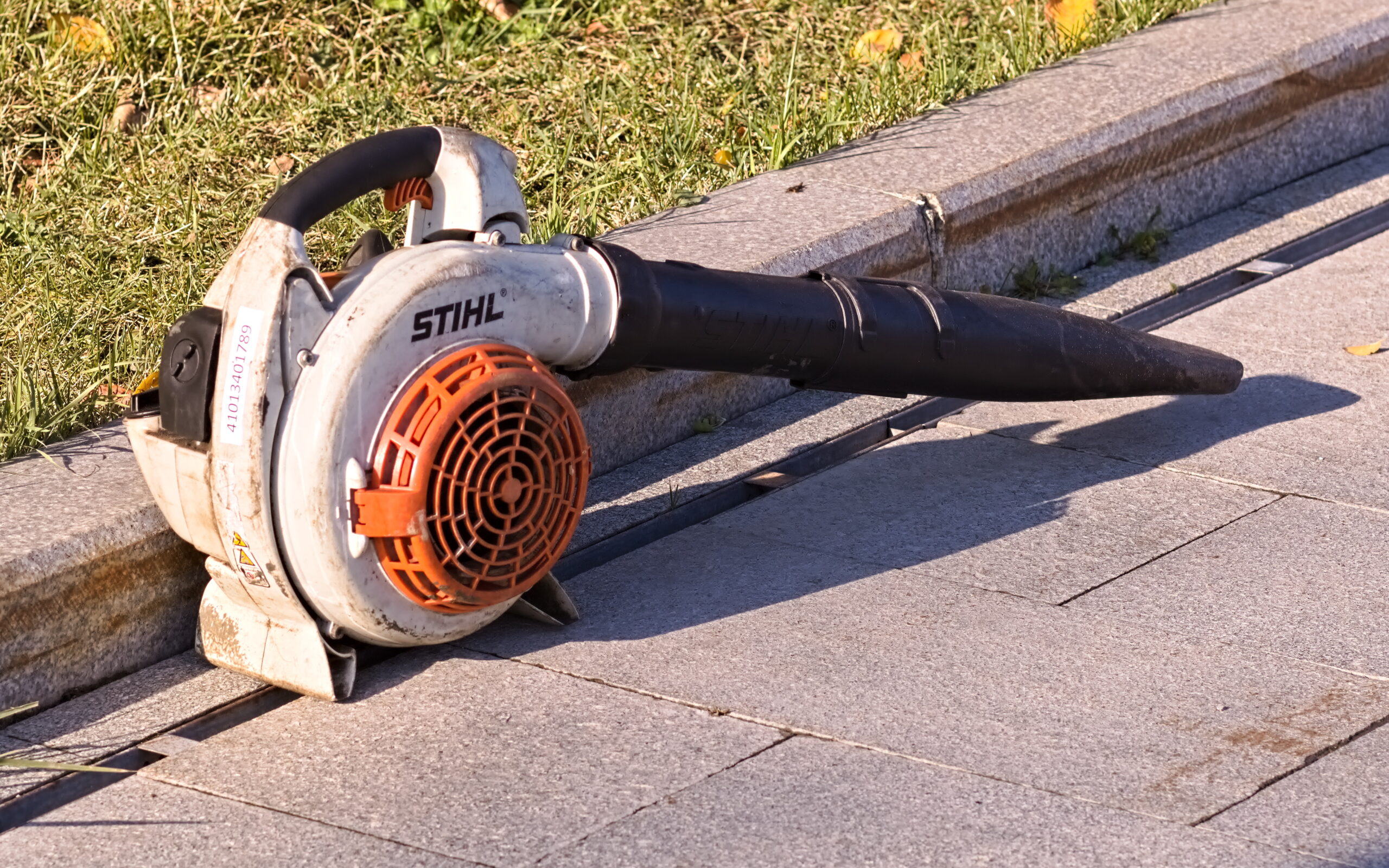
On the third Thursday, she was working from home and watched from her front window as two members of her neighbor’s landscaping crew stood at the property line and aimed backpack leaf blowers at her yard. For about 15 minutes, leaves from his driveway, flower beds and walkway sailed onto her side, and when the machines went quiet his lawn looked immaculate.
What she did next was rake her own property for three hours that Saturday, fill 11 yard-waste bags and stack them at the neighbor’s front door. By Monday he had called her a “leaf Karen” in the HOA Facebook group, according to a write-up by Cata Holmes for Cheezburger’s FAIL Blog, published Nov. 12, 2026.
Two Thursdays of Leaves and a Guess About the Wind
The neighbor’s crew came every Thursday to mow, edge and blow debris. The woman, who is not named in the write-up, says the visits were quick, usually finished in under an hour, with large backpack blowers doing the cleanup.
The first Thursday, she came home from work to find her front yard and driveway covered in leaves. She assumed the wind was responsible and spent about 90 minutes raking and bagging.
The second Thursday brought the same scene. She raked again and said nothing, because she was not sure the crew was the cause.
The Third Thursday and a Conversation at the Property Line
By the third week she had a view of the problem. Watching the two workers, she saw debris move from his driveway, beds and walkway onto her lawn, and afterward leaves were stuck to her car and piled against her front door.
She went out and told the crew leader to stop blowing leaves onto her property. His answer, as she tells it, was that the crew had been hired to clean the neighbor’s yard and that where the leaves ended up was not their problem.
That night she texted the neighbor. He wrote back that they were leaves, that they would have landed on her side anyway because it was November, and then he stopped responding.
Eleven Bags at His Door and a Post in the HOA Group
On Saturday she raked her whole property for about three hours and filled 11 yard-waste bags. She stacked them by his front door.
On Monday the neighbor posted in the HOA Facebook group, describing her as a “leaf Karen” who had dumped garbage on his porch and did not understand wind. A neighbor forwarded her the post.
Her husband, the write-up says, felt she had made her point but asked her to drop it. The crew came back the following Thursday. The FAIL Blog piece sides with her and closes with advice that neighbors set expectations early to keep a repeat from happening next year.
What City Codes and Extension Guidance Say About Blown Leaves
The write-up does not say where she lives, and local rules vary. Some cities spell the issue out. St. Petersburg, Florida, says in a good neighbor guide on power leaf blowing that its ordinances prohibit blowing or depositing leaves, yard clippings and other debris onto a neighbor’s property, the public right-of-way, streets, alleys or storm drains. Violations can bring fines of up to $500 for each occurrence. The same page limits leaf blower hours to 8 a.m. to 8 p.m. Monday through Saturday and 11 a.m. to 7 p.m. on Sundays and holidays, and it does not address who is cited when a hired crew does the blowing.
Tampa’s rule targets the street. A city flyer on blowing leaves says it is unlawful to put leaves, grass clippings or debris into any public drainage system, including streets. Residents face $75 for a first offense, rising to $450 for a fourth or later, while professional landscape companies face $450 for each offense. A business that has received written notice of an employee’s violation is jointly liable for further violations by any employee within 12 months. The flyer points residents to reusing yard waste or the city’s curbside yard waste collection.
Alexandria, Virginia, is taking a different route. Its leaf blower ordinance page says gas-powered blowers are prohibited for everyone in the city from Nov. 17, 2026, and that both a landscape company and the homeowner or property manager can be fined $100 to $500, as this site has reported. Another homeowner’s account of a neighbor’s blower that sent debris into her open garden beds every week is a second case on this site of the same dispute.
The leaves themselves are not the problem for a yard, according to extension specialists. Alison O’Connor, a horticulture professor at Colorado State University Extension, recommends mowing leaves on a high setting so they filter into the turf, and says the mulch layer is fine as long as grass is still visible. She also describes using chopped leaves as a 6- to 8-inch mulch in vegetable beds.
Janet Steele, an area forestry and wildlife agent with Clemson Cooperative Extension, says in a post on leaving the leaves that leaves from small or widely spaced trees can usually stay on a lawn, and that bagged leaves sent to a landfill break down without oxygen and produce methane. She cites EPA figures showing yard trimmings were about 7 percent of U.S. municipal solid waste in 2018.
The two extension sources also agree that a dense mat of leaves is the thing to avoid. Clemson’s Steele says leaves should come off a lawn when they build into a heavy layer, and O’Connor says leaves left piled on turf can smother grass and promote mold and disease. That cuts against both the blowing and the bagging in this story: a thin scatter on a lawn is fine, and a pile against a front door is not.
For one Thursday crew and one homeowner, the practical question is where the leaves go. Under rules like St. Petersburg’s, the answer is not the neighbor’s lawn, and under extension advice the answer for most yards is back into the soil.
This article was produced with AI assistance and edited for accuracy against the sources linked above.
Image: Retired electrician – CC0/Wikimedia Commons