Their Garden-Proud Neighbor Was Seen Digging Through College Renters’ Trash at 1 a.m., Then Left a Bag on Their Step Over Soda Cans in the Recycling
Her roommates saw it first: the woman next door, bent over their trash cans at 1 in the morning. The renter, a 20-year-old college student who also works as a paramedic, had moved into an off-campus house with friends, her first time living on her own. The neighbor, an older woman who takes obvious pride in her manicured garden, had apparently decided that the students’ garbage was her business.
The renter described the situation in a post that TwistedSifter published on Nov. 8. It is a story about trash, recycling and a compost bin, and about how much of a yard one neighbor can claim before it stops being hers.
A Garden on One Side, a Student Rental on the Other
The house sits in a college town where, the article says, 80 to 90 percent of residents are students and many houses are in “pretty bad shape.” Next door, the neighbor’s yard is the opposite: well kept, with gardening supplies and buckets that spill over the property line.
The renter says the neighbor has been coming into the students’ backyard and driveway. She picks items up off the ground and drops them into the students’ trash cans. She moves sticks and leaves from one side of the yard to the other. She has been seen walking the entire perimeter of the house.
A Compost Bin Behind Cinder Blocks
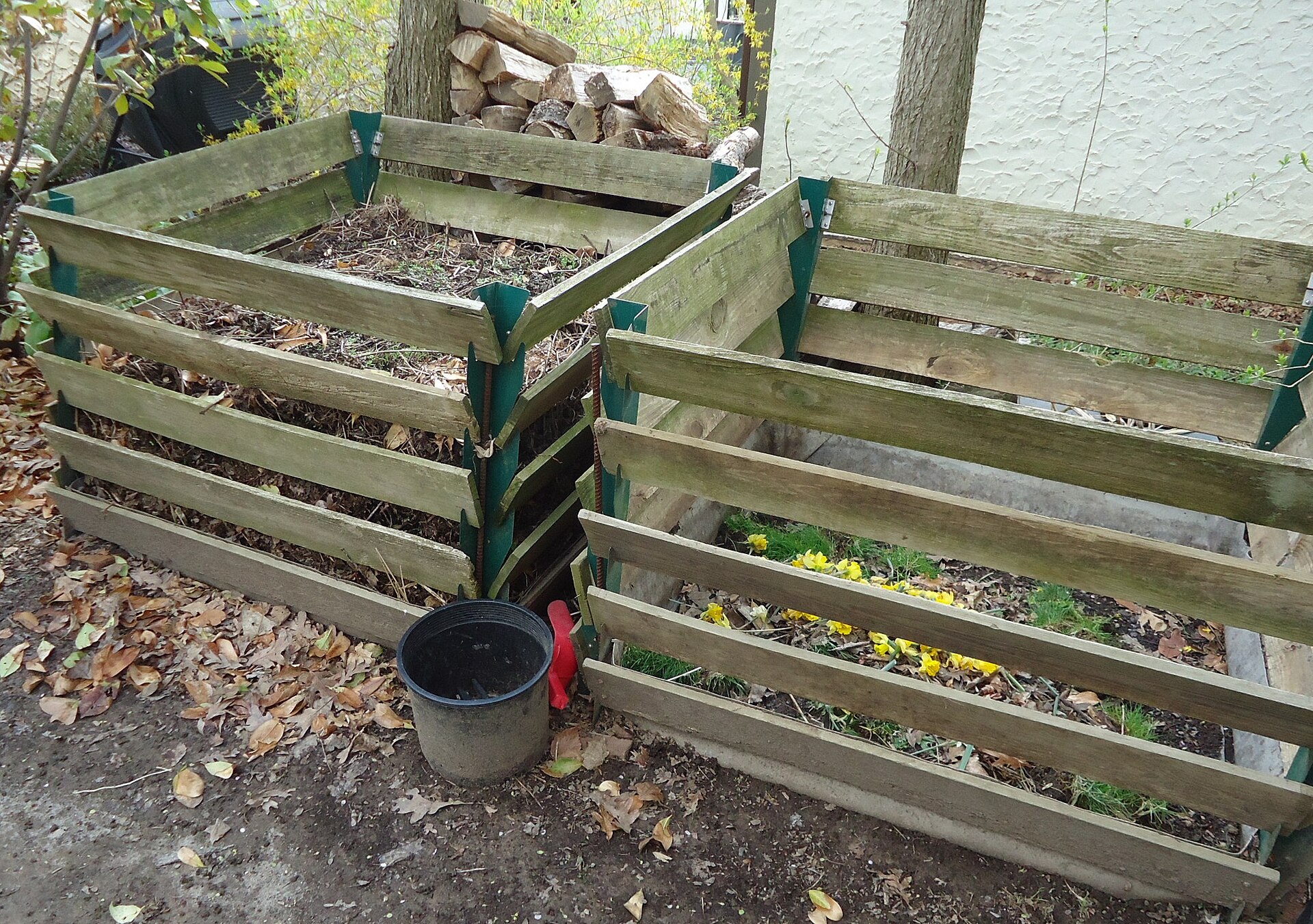
A bin in the wrong place makes everything harder. The city compost bin assigned to the students’ address sits on the neighbor’s property, along with three others, and cinder blocks surround the bins. The students cannot move theirs to their own driveway.
Curbside compost programs are meant to make yard and food scraps easy to drop off. The EPA’s guide to composting at home describes composting as a way to turn leaves, grass clippings and food scraps into material that enriches garden soil, which is exactly the kind of thing a serious gardener next door would care about. A bin that a tenant has to cross a neighbor’s yard to reach is a setup for friction.
The Bag on the Step
The renter says she heard loud banging on her door one day, but nobody was there when she opened it. Later she found a grocery bag of trash on her step. A note inside said the neighbor had found “unapproved items” in the recycling, including soda cans.
Aluminum cans are about as recyclable as household waste gets. The EPA’s guide to common recyclables lists aluminum and steel cans among the materials most curbside programs accept. Sorting through another household’s bins at night is a different matter entirely.
Most of the trash in the bag, the renter says, belonged to the upstairs neighbors in the duplex. She left the bag on their stairs.
Where a Neighbor’s Rights End
Walking into someone else’s yard without permission is generally trespass, which Cornell Law School’s Legal Information Institute describes as entering another person’s land without consent. For renters, the landlord is the other key player. Under landlord-tenant law, tenants have a right to use and enjoy the property they rent, and landlords are usually the ones to sort out problems with the property and its neighbors.
TwistedSifter’s write-up recommended a calm conversation with the neighbor first, documentation of each incident, and help from the landlord or property manager if needed. It also suggested the city should arrange for the compost bin to be reachable without crossing the neighbor’s yard.
Overreacting or Not
The renter ended her post by asking whether she was overreacting. Yard boundary fights like hers are common on this site. One couple’s older neighbors let themselves into a fenced backyard to rake leaves nobody asked them to rake, and another homeowner says a neighbor keeps driving over her grass.
The post did not say how things ended. For now, the students have a compost bin they cannot reach, a recycling note on their step, and a neighbor who seems to treat the line between the two yards as a suggestion.
This article was produced with AI assistance and edited for accuracy against the sources linked above.
Image: Tomwsulcer – CC0/Wikimedia Commons