An HOA Cited His Yard for Weeds He Couldn’t Find, So He Photographed the Community’s Own Overgrown Common Areas and Sent the Board a List
A weed notice sent one homeowner out on his motorcycle with a camera. After his homeowners association cited his yard for weeds he says he could not find, a man named David wrote back demanding that the board either point out the weeds in his photos or withdraw the notice.
David, who posts on TikTok as @davidwbroker, did not stop at disputing the notice. According to Yahoo Life’s Backyard Garden Lover, in a piece by Lauren Wellbank, he rode his motorcycle around the community photographing its common areas, and sent the board a letter listing the problems he found there, including patchy, overgrown ground and rotting grass clippings.
A weed notice he could not match to his lawn
The violation, as David described it, named weeds in his yard. He went looking and came up empty. Instead of accepting the notice, he answered with his own photos and asked the association to point to the weeds in them.
He was careful about where he aimed his camera. The Yahoo Life report says he did not photograph his neighbors’ homes. Instead, he focused on the shared spaces the HOA is responsible for, documenting what he saw as the association’s own maintenance problems.
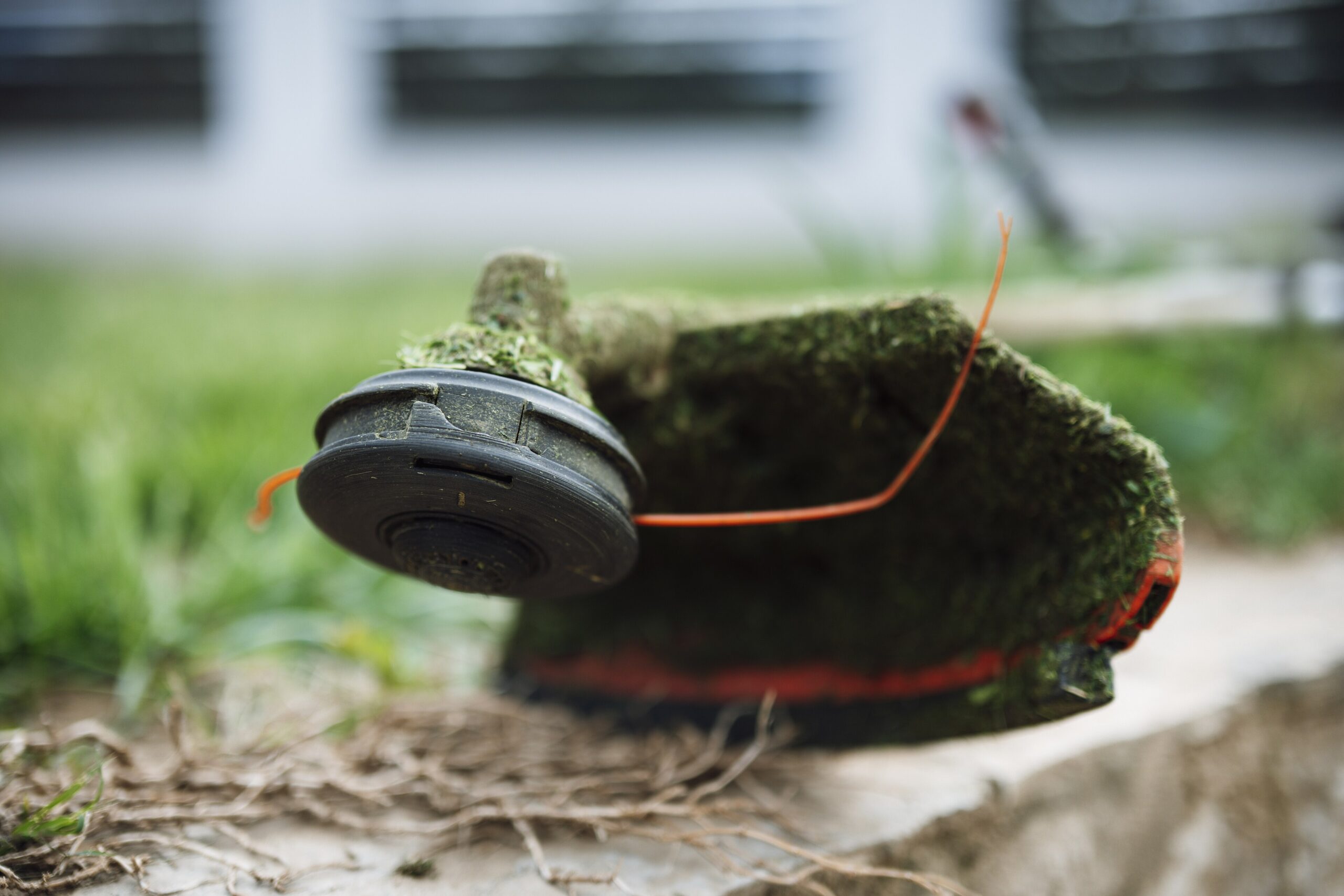
What he found, according to the report, were common areas that were patchy and overgrown, with grass clippings left to rot where they fell.
What rotting clippings say about a lawn
Clippings on their own are not a sign of neglect. Turf specialists generally encourage leaving them. The University of Minnesota Extension says clippings of an inch or less can stay on the lawn, where they filter down and break down quickly, and that leaving them “does not contribute to increased thatch.”
The trouble starts when there are too many. The same extension guidance says longer clippings should be removed because they can shade or smother the grass underneath, and that clippings mat down when the lawn is wet or the grass was too tall when it was cut. It recommends never cutting more than a third of the grass height at once.
University of Georgia Cooperative Extension turfgrass specialist Clint Waltz and coauthor Becky Griffin make a similar point. Properly mowed clippings can break down in less than a week, they write, but clippings that sit on top of the lawn instead of falling into the canopy should be spread out, because the turf can become overwhelmed when “too many clippings are allowed to accumulate.”
At Oregon State University Extension, the advice is to mow about once a week in the growing season and to bag heavy clippings during wet weather or fast growth, then go back to mulching once the grass is under control. Clippings can carry up to 3 to 4 percent nitrogen by weight, the university says, which is why they work as a slow-release fertilizer when they are cut short and left to break down.
Patchy turf matters for weeds, too. Penn State Extension says controlling summer annual grassy weeds “involves creating a dense turf through practices such as fertilization and proper mowing heights,” and stresses cultural practices “that increase the density and vigor of desirable turfgrasses.”
Golf balls, a trash can and a funeral
The weeds were not David’s only complaint. In the same letter, he said golfers have been coming onto his property to hit their balls, and that the HOA told him it had no power to stop them.
He also said he once received a violation notice over a trash can left out while he was out of town burying his mother.
He tied the two together in his video caption, contrasting an association willing to cite a homeowner over a trash can with one that claims “no authority” over golfers walking into a yard.
Ten days to answer
David said the association is supposed to respond within 10 days of receiving his complaint, and he promised his followers updates once it does. The Yahoo Life report did not include a response from the HOA, and it did not name the community or the state where he lives.
Commenters were firmly on his side. One urged him to keep his “foot on their neck.” Another praised it as a “great letter” and said the HOA had “messed with the wrong resident.” At least one person asked whether David would take on their own HOA next.
HOA lawn fights have a way of turning on definitions, as in the case of an HOA president who called a homeowner’s goldenrods weeds before they bloomed, or a Colorado HOA that sent a lawn violation in the middle of a historic drought.
In David’s case, the question he put to the board is a simple one. If the weeds are there, the association can show him where. If not, he wants the notice gone.
This article was produced with AI assistance and edited for accuracy against the sources linked above.
Image: Shixart1985 – CC BY 2.0/Wikimedia Commons