Next Door Wanted a Hot Tub 7 Feet From the Property Line and a Gravel Patio Pushed Against a Homeowner’s Cedar Fence. Code Says 10 Feet, So the Answer Was No.
The request came as a letter to sign. The neighbors next door had plans for their backyard: link their fence to the homeowner’s, set a hot tub 7 feet from the shared property line, and lay a gravel patio right up against the homeowner’s cedar fence. All they needed was a signature saying the homeowner was fine with it.
The homeowner was not. According to the account TwistedSifter published on Nov. 14, local code requires patios and hot tubs to sit at least 10 feet from the property line, and the signed letter would have let the neighbors build closer.
Two Out of Three Were Fine
The homeowner did not object to everything. Linking the two fences was fine. The hot tub’s spot was not the main worry either.
The sticking point was the patio. Earlier, the neighbor had described a gap between the patio and the fence. The plan in the letter put the gravel flush against the cedar boards instead.
A Fence That Would Become a Wall
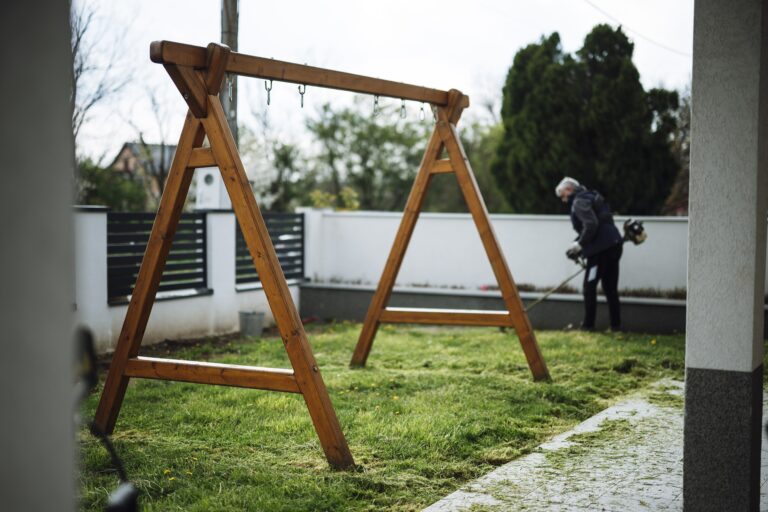
The neighbor’s yard slopes. A significant hill runs from their house down to the fence line. To hold a level gravel patio on that slope, something has to keep the stone from sliding downhill. With the patio pressed against the fence, that something would be the homeowner’s cedar fence.
Fences are not built to hold back soil and stone. A wood fence carrying the weight and moisture of a gravel bed can lean, rot at the base or push over. The U.S. Forest Service’s Forest Products Laboratory, which studies how wood performs, has long documented that wood kept in contact with damp soil and fill decays far faster than wood that can dry out. Even cedar, prized for its natural rot resistance, does not last forever with wet gravel piled against it.
The homeowner said they did not have the construction knowledge to judge exactly how much risk the plan carried, and was not willing to find out on their own fence.
What the Law Says About Holding Up a Neighbor’s Land
Property law has a name for the problem on the other side of this. Cornell Law School’s Legal Information Institute explains the doctrine of lateral support: a landowner has a right to have their soil held in place, and a neighbor who digs or builds in a way that removes that support can be liable for the damage. The flip side is that the burden of holding up a raised patio normally belongs to the person who built it, usually with a proper retaining wall on their own land.
Repeated harm from a structure that pushes against or spills onto a neighbor’s property can also become a nuisance, which courts can order fixed.
The Setback Rules Exist for a Reason
Setback rules for hot tubs and patios are set locally and vary by town, but they serve the same purposes: space for access and maintenance, room for drainage, and a buffer between neighbors. Hot tubs bring their own safety concerns too. The federal Pool Safely campaign, run by the U.S. Consumer Product Safety Commission, urges barriers and covers around pools and spas to keep children out, which is one reason towns care where a hot tub sits.
Signing a letter that waives the setback would not just bless one project. It could make it harder to object later if water, gravel or noise started coming over the fence.
Readers Said Check the Code
Commenters suggested checking local zoning rules, consulting a lawyer, or asking a city inspector to weigh in. TwistedSifter’s write-up said the neighbors could build a proper retaining wall instead of shifting the risk onto the homeowner’s property.
Shared fences keep producing disputes. A neighbor once demanded $2,000 before letting a family tie into her fence, and a California homeowner’s privacy fence drew three or four cameras aimed at it.
The homeowner refused to sign. The neighbors can still build their patio, as long as they hold it up themselves.
This article was produced with AI assistance and edited for accuracy against the sources linked above.