His Neighbor Said ‘I Have No Money’ When Their $4,000 Spruce Bill Came Due. Then the Neighbor Needed Something Only He Could Give.
The neighbor needed a way to get heavy equipment to the dangerous trees on his own lot so he could sell the house, and the only route ran through the yard of the man he had refused to pay. The price for that access was $4,000, the exact amount he had skipped out on the first time. A week later, he showed up with the check.
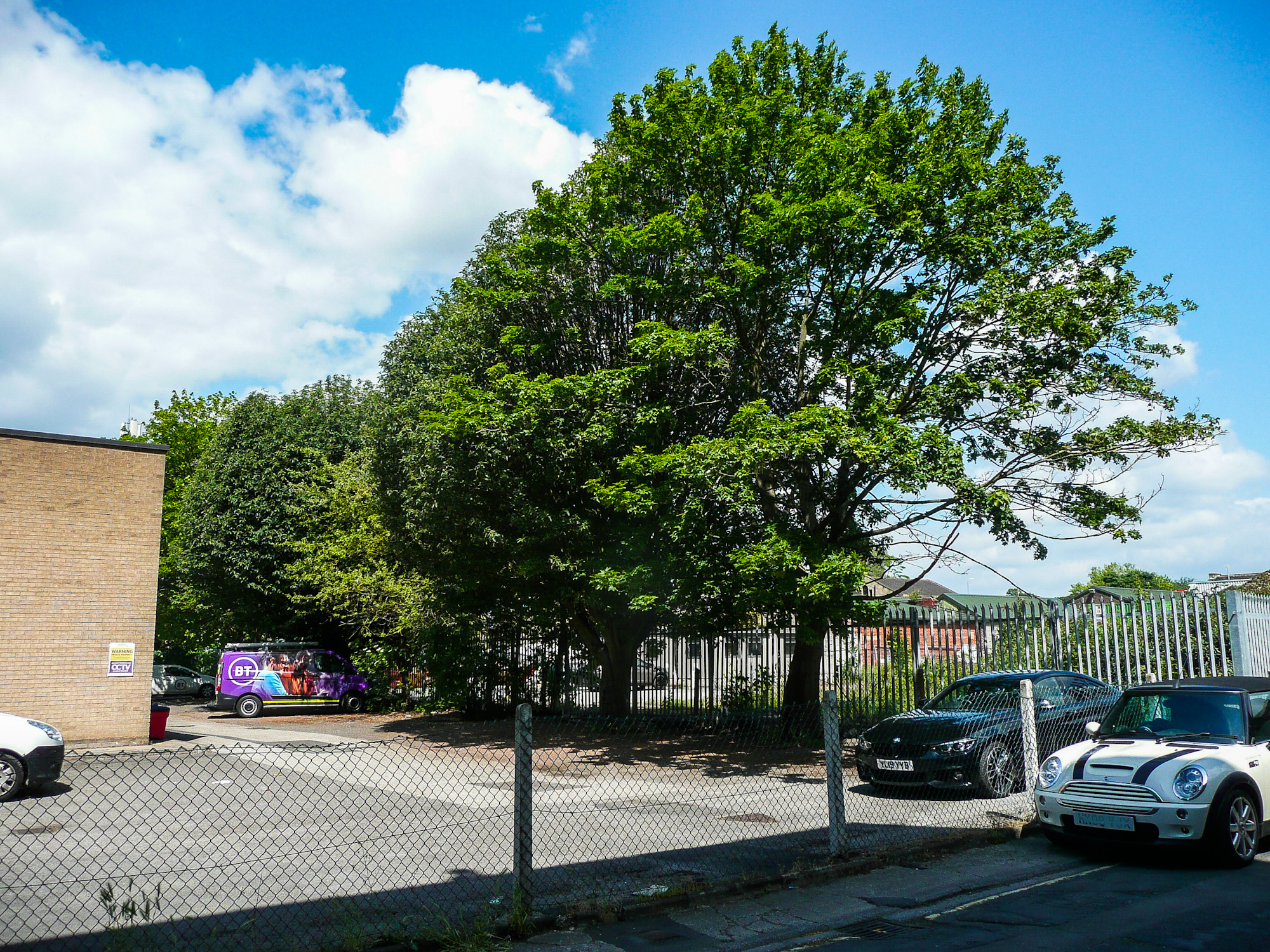
The story, published by TwistedSifter, started with two massive spruce trees growing right on the property line between the two houses. Homedit also recounted the case, describing a landlord who refused to contribute $4,000 toward removing two spruces, then paid that amount when he needed access to sell.
Two Spruces on the Line
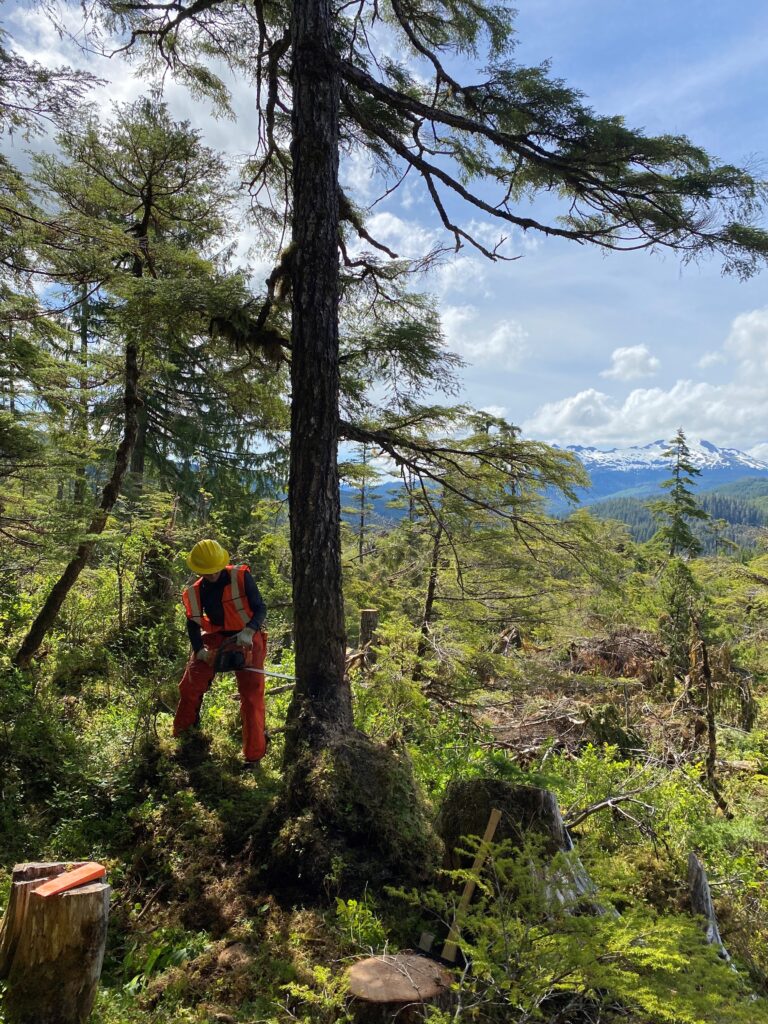
The trees and their roots were damaging the homeowner’s property. Because of their size and how close they stood to buildings, taking them down was no small job. It required cranes and several days of work.
The homeowner said local law splits the removal cost of property-line trees evenly between the two owners. The neighbor’s half came to about $4,000. When the bill came due, the neighbor told him he had no money.
Who Owns a Tree on the Boundary
A tree whose trunk sits on the property line is usually treated as belonging to both neighbors. Boundary trees are jointly owned by the homeowners on either side, with shared rights and responsibilities, according to Rocket Mortgage’s guide to tree law, though the details can vary by state. The same guide notes that a new tree cannot legally be planted on the line without the neighbor’s permission.
Bob Vila’s guide to trees and property lines says both neighbors should agree on how to care for a boundary tree and share maintenance costs, and that both must consent to its removal. Tree service directory GoTreeQuotes says that when a shared tree has to come down, both neighbors are responsible for the cost.
The rules cut both ways. LawnStarter warns that harming a boundary tree without agreement can cost up to three times its replacement value in some places, which is one reason removal is supposed to be a joint decision.
Knowing the rule and collecting on it are two different things. The homeowner weighed suing through an arborist attorney, but the cost of getting the money back would have been higher than simply paying the full bill. So he paid for the whole job himself.
A Sale That Needed His Yard
Later, the neighbor’s tenant died, and the landlord decided to sell. The sale inspection turned up hazardous trees on the landlord’s lot, and the house could not be insured until they were removed.
The lots are small. The only way to get equipment to those trees was through the homeowner’s property. The alternative was tearing down another neighbor’s garage.
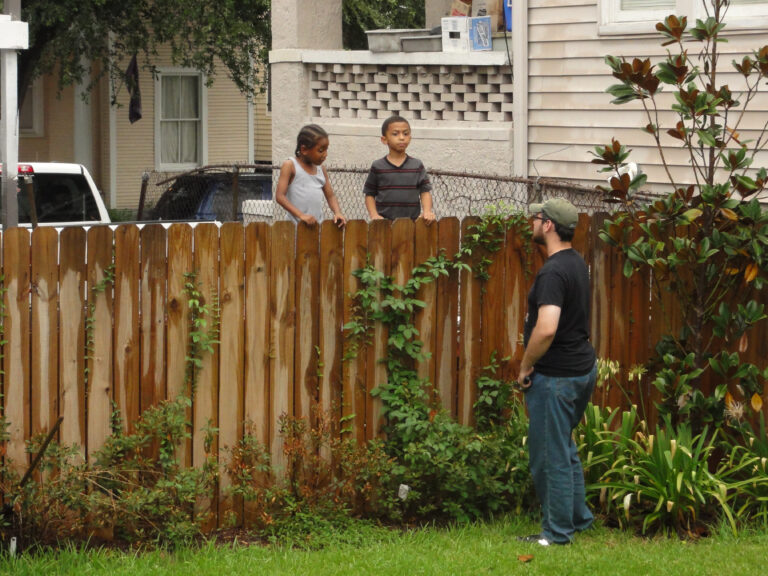
When the landlord asked for permission, the homeowner agreed on one condition: $4,000. The landlord objected that the arrangement could put the sale at risk. The homeowner did not budge.
The Check Arrived a Week Later
The following week, the landlord brought a $4,000 check, and the homeowner gave him written permission to bring equipment through the yard.
Commenters said the homeowner was justified. Some suggested he should have added another $1,000 for the hassle, and others said he could have asked for more.
The first job had taken cranes, several days and the homeowner’s own money. The second took a single week and one check, and it settled the old bill to the dollar.
This article was produced with AI assistance and edited for accuracy against the sources linked above.
Image: Humphrey Bolton – CC BY-SA 2.0/Wikimedia Commons