A Neighbor’s Tree Punched Holes in Jermaine Matthews’ Roof About a Week After He Moved In. His Storm Deductible Is $21,000.
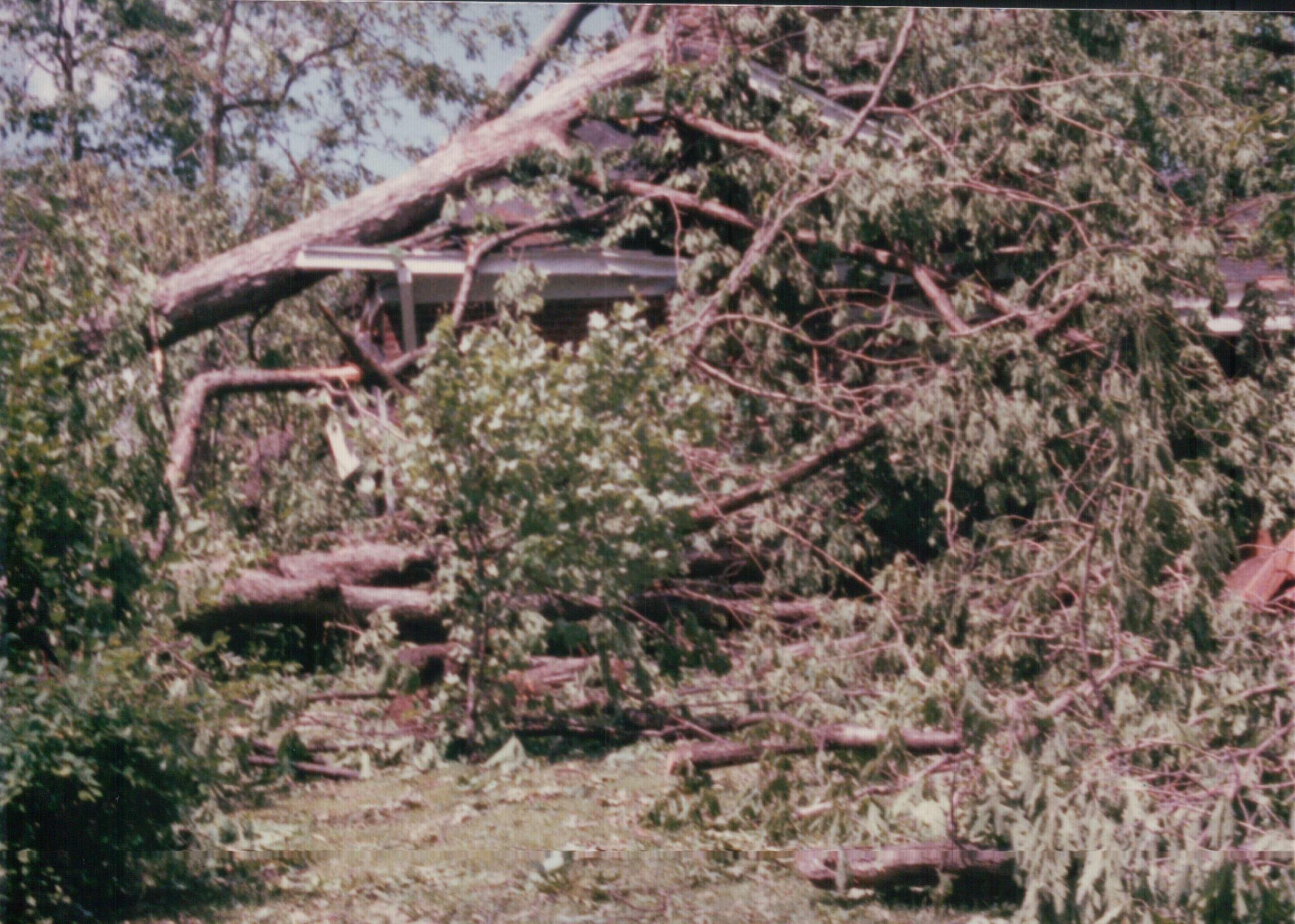
Jermaine Matthews and his wife had lived in their new home in northeast Charlotte for a little over a week when a severe storm pushed a large tree from the neighboring property onto their house. The tree punched three or four holes in the roof, tore down the gutters and came to rest on the patio, WSOC-TV reported.
The couple assumed insurance would handle it. Then they read the deductible. Their policy had a regular deductible of $10,000 and a separate wind and hail deductible set at 5% of the home’s value. For their house, that came to $21,000.
A Second Deductible Most Buyers Never Notice
Matthews told the station his reaction was simple disbelief at the number. According to the paperwork he showed WSOC’s Action 9 team, the storm claim fell under the wind and hail deductible, not the flat $10,000 one.
Percentage deductibles work differently from the flat amount most homeowners picture. Instead of a fixed dollar figure, the out-of-pocket share is tied to the insured value of the house, so it rises with the home’s price. Action 9 attorney Jason Stoogenke noted that some policies carry separate deductibles for wind, hail or named storms, and that these can run as high as 5% of a home’s value.
The couple’s insurer, American Integrity Insurance Group, told the station it handled the claim under the policy in effect at the time of the loss. The company said North Carolina customers choose from several deductible options and that this one was selected when the policy was bought. It added that it understands the stress the situation has caused the family.
The math shows how quickly a percentage deductible grows. A 5% deductible that works out to $21,000 points to a home insured at roughly $420,000. On that same house, the flat deductible was less than half as much. For buyers who just closed on a home and spent their savings on a down payment and moving costs, the gap between those two numbers can decide whether a roof gets fixed right away or waits.
The timing made it worse. A storm claim a week after moving in leaves no room to plan, and the couple had no chance to set money aside for a deductible they did not know they had.
Why the Neighbor Isn’t Paying
The tree came from next door, so many readers would expect the neighbor to cover the damage. Stoogenke explained that it usually doesn’t work that way. What matters is where the tree lands, not who owned it.
State regulators say the same. The Texas Department of Insurance tells homeowners that a neighbor generally isn’t responsible for acts of nature, and that if the neighbor’s policy doesn’t pay, the homeowner can file under their own policy. Its guide to fallen branches adds that a homeowners policy should cover the materials and labor for repairs when a tree hits the house.
There is an exception. Stoogenke said that if the neighbor knew, or should have known, the tree was likely to fall, the insurer may still pursue them. Progressive describes the same split: when a tree falls because of negligence, the neighbor’s insurance may end up paying instead.
What Insurance Usually Covers When a Tree Comes Down
A tree on the roof is a different claim from a tree on the lawn. According to Insure.com, a tree that falls in a yard and damages nothing is usually not covered, and a neighbor’s healthy tree that falls on a house with no warning signs is typically a claim on the homeowner’s own policy.
Removal is often limited too. Many policies pay to remove a tree only when it damaged an insured structure or blocked a driveway, and even then there is often a cap on what they will pay. For the Matthews family, the gutters and the patio landing add more cleanup to a bill that starts at $21,000 before coverage kicks in.
A Roof Still Waiting for Repairs
At the station’s last check, the roof had not been fixed. Matthews said the family is nervous about leaks with more rain on the way. It is a hard start for a couple who had barely unpacked.
Their situation echoes other recent storms covered here, including the 80-foot white fir that crashed through a Pollock Pines roof and the St. Louis home where about 100 volunteers showed up after a tree fell. In each case, the big trees that make a yard feel finished turned into the biggest risk on the property in a single storm.
Checking the Number Before the Next Storm
Stoogenke’s advice applies to any insurer: know the deductible, and know how high it can go. That means looking past the flat amount on the declarations page for any separate wind, hail or named-storm figure, and doing the math against the home’s insured value.
It also helps to keep an eye on large trees near the property line. If a neighbor’s tree looks dead, split or rotten, putting that concern in writing creates a record. That record can matter if the tree later falls and the question becomes whether anyone knew it was a hazard.
This article was produced with AI assistance and edited for accuracy against the sources linked above.
Image: Nicole Johnson – CC BY 4.0/Wikimedia Commons