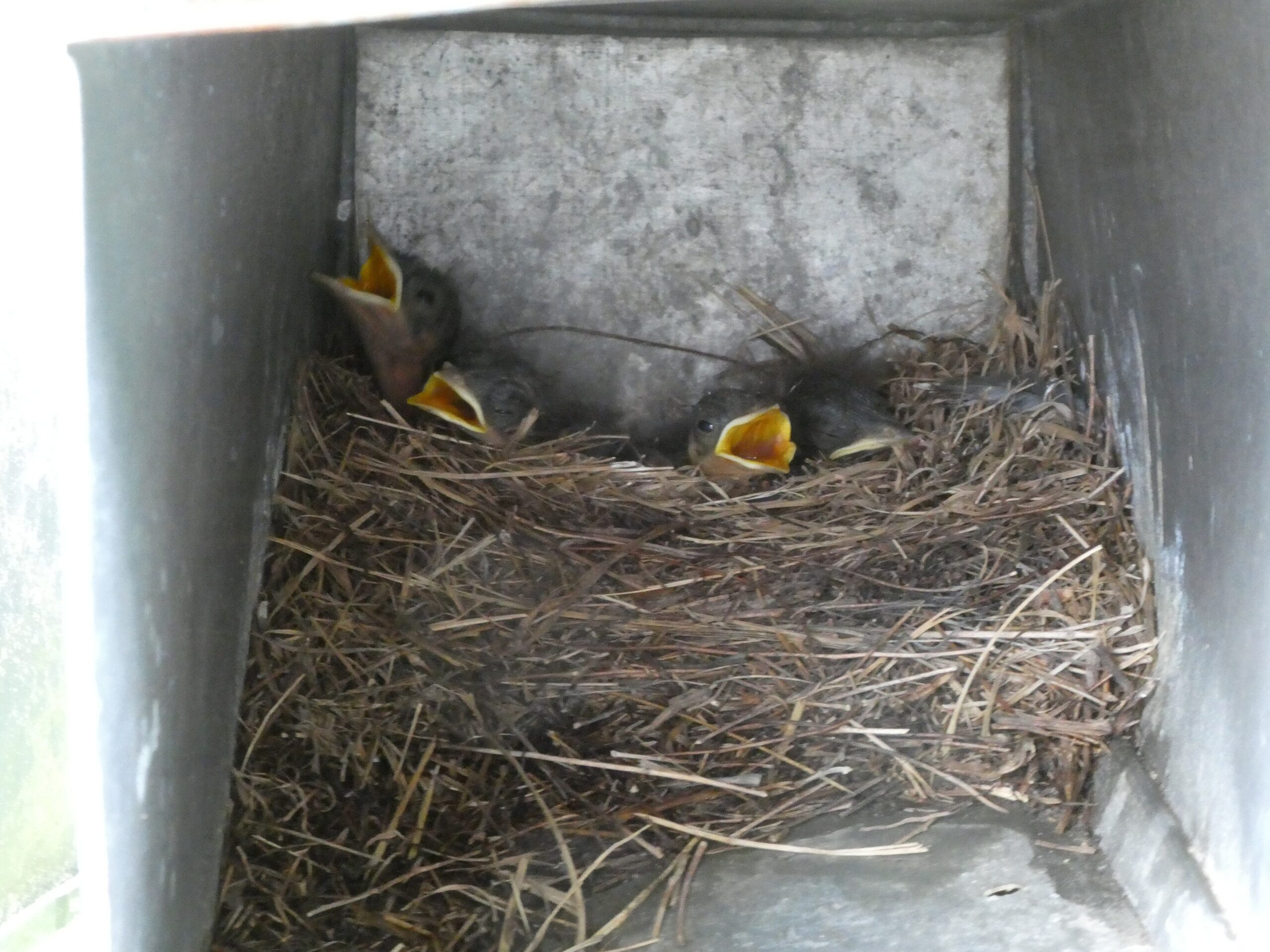
A Gardener Watched Neighborhood Cats Pull Chicks Out of the Birdhouses She Put Up, and Now She’s Weighing Whether to Trap All Five
She put the birdhouses up for bluebirds, cardinals, robins, finches and sparrows. She has watched neighborhood cats pull the chicks out of them.
The gardener, who has lived in her suburban neighborhood for about a year, keeps her own two cats indoors. About five other cats roam through her yard on a regular basis, and she says they cause no damage “other than eating a lot of the birds.” Her story, which TwistedSifter published on Nov. 9, ends with a question she is not proud of: should she trap them?
A Yard Built for Birds
The lots in her neighborhood are about a fifth of an acre. She spends a lot of time gardening and enjoys watching birds at her feeders. The birdhouses were part of the plan, a way to bring nesting birds into the garden she has been building.
For the cats that wander in from the surrounding houses, the setup is a buffet. Feeders draw birds down to the ground. Birdhouses hold eggs and chicks in one predictable spot. A nest box mounted where a cat can reach or wait beneath it is easy pickings.
Cornell Lab of Ornithology’s NestWatch program, which guides people who put up nest boxes, includes a section on dealing with predators, because a birdhouse without protection can become a trap for the birds it was meant to help.
The Numbers Behind Her Frustration
Her experience is a small piece of a very large problem. A study by Scott Loss, Tom Will and Peter Marra in Nature Communications estimated that free-ranging cats in the contiguous U.S. kill 1.3 billion to 4 billion birds a year, with a median estimate of 2.4 billion. Unowned cats account for about 69% of that toll, but pet cats allowed outside contribute too.
The U.S. Fish and Wildlife Service lists cats among the leading threats to birds. The American Bird Conservancy’s Cats Indoors program calls outdoor cats the leading human-linked cause of direct bird deaths in the country and urges owners to keep cats inside or supervised, using enclosed patios, leashes or strollers for outdoor time.
An HOA Rule Nobody Enforces
On paper, the cats should not be there at all. Her HOA’s rules say pets are not supposed to roam free. In practice, she describes the association as “pretty lax.”
That leaves her weighing options she does not like. She has thought about trapping the cats and taking them to a shelter. She has thought about talking to the owner of one of them. She worries that if cats start disappearing, the neighbors will figure out who was responsible. And she feels bad about the whole idea, because she loves cats.
What Readers Told Her
Nobody who responded thought trapping was the answer. TwistedSifter’s write-up called it too extreme and recommended going to the HOA to enforce its own pet rule. Commenters mostly agreed, and one warned her not to take other people’s cats at all. Another pointed out a practical problem with dropping owned pets at a shelter.
The article’s conclusion was that she is lucky to live in an HOA, since its rule against roaming pets gives her a way forward that does not involve a trap.
Cats and gardens collide often. One woman tried to reclaim a garden a neighbor’s cat had turned into a hunting ground, and another homeowner’s raised vegetable beds became a neighbor’s cat’s litter box.
The post did not say what she decided. Spring nesting season is months away, which gives her time to bring the HOA in before the next round of chicks hatches in her birdhouses.
This article was produced with AI assistance and edited for accuracy against the sources linked above.
Image: Jackhill – CC BY-SA 4.0/Wikimedia Commons