New Neighbors Picnicked on a Homeowner’s Field, Ran Through His Family’s Vegetable Beds and Called His Pool ‘Public,’ So He Had the Whole Property Walled Off in Seven Days
The parents said they figured it was a public pool. That was the answer a homeowner got when he confronted them about their children climbing the fence around the pool at the back of his land.
By then, the new family next door had already picnicked on his field and let their kids run through the flower and vegetable beds his wife and daughters tend. He then spent several thousand dollars to wall off the entire property in seven days, according to TwistedSifter’s Nov. 12 write-up of his account.
A Big Lot With an Open Back
The homeowner lives in a non-English-speaking European country where old land divisions left unusual property lines. His land runs back to a stretch of woods and is far larger than the narrow strips his neighbors own.
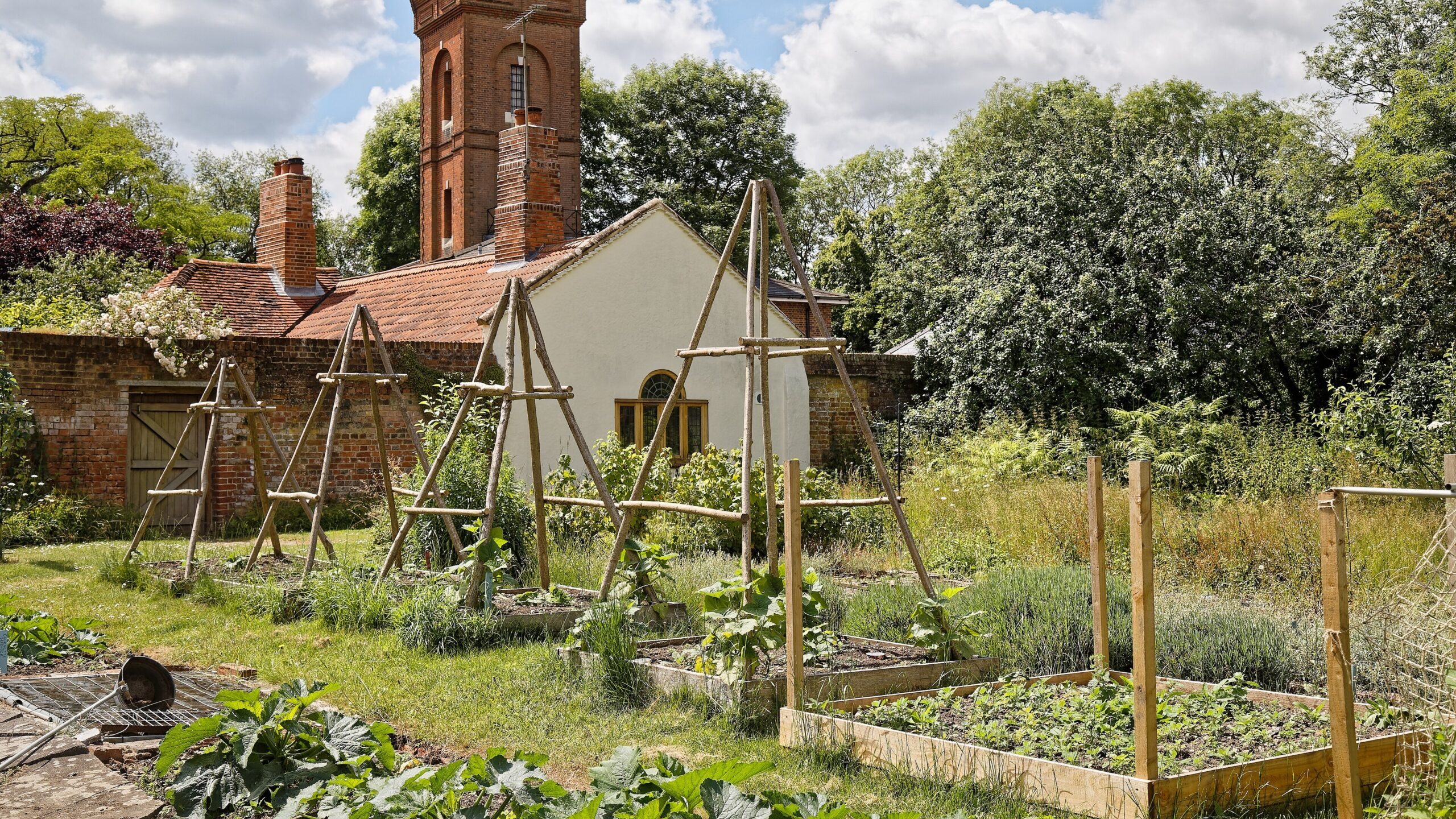
Only the area directly behind the house was fenced. The rest stayed open, and his wife and daughters used much of it for flower and vegetable gardens.
He had even shared it. Local boys liked to play football on the only flat grassland nearby, and when they asked permission, he agreed, as long as they left when asked and did not litter.
New Neighbors Who Treated It Like a Park
That arrangement changed when a new family moved in nearby. They appeared to believe the land was public, he said.
Their children ran through the gardens. The family moved a grill onto the field and held a picnic there. When the homeowner installed a pool at the far back of the property and fenced it, the children climbed the pool fence, and the parents offered the “public pool” explanation.
Then he went away for three days. When he came back, someone had built a fire pit on his land and left empty beer cans around it.
Seven Days and a Brick Wall
The homeowner, who used to work in construction, hired a company run by a friend from those days. He bought the supplies, and the crew walled off the whole property in seven days. The outlet described it as several thousand dollars of masonry, and the homeowner said he came out of it “a lot of money lighter.”
The wall solved one problem and created another. The neighborhood boys lost their football field, and, the homeowner said, they began picking on the new family’s children because of it. He said he feels terrible about that, but believes he gave plenty of warnings first.
Why Open Land Invites Trouble
Unfenced yards and shared paths often lead to the same kind of slow-building friction, much like the neighbors who turned a man’s rose garden into a dog run for three years. In another case this month, a renter found neighbors cutting through his front garden to save about a minute on the walk to the shops, and one woman told him they had always used the path.
And in another case covered the same month, a family found neighbors climbing a step ladder over their backyard fence twice a day so their son could use a new playset.
Long use of someone else’s land can carry real legal weight in some places. In the United States, for example, long-standing use or misplaced fences can support claims such as adverse possession, and California law firm Rogers, Sheffield & Campbell advises that “the earlier legal counsel is sought, the more options are available.”
Before building anything, most guides recommend talking first and keeping records. LawnStarter’s advice on neighbor disputes suggests a calm conversation, then photos and dates, and only then formal steps. It also lists solid fences and privacy hedges among the simplest ways to block what drifts over from next door.
This homeowner skipped the hedge and went straight to brick. His gardens are safe again. The football field, and whatever goodwill the open land once bought him, is gone.
This article was produced with AI assistance and edited for accuracy against the sources linked above.
Image: Acabashi – CC BY-SA 4.0/Wikimedia Commons