When the Neighbors’ Last Working Well Quit, a Couple Let Them Fill 5-Gallon Buckets Morning and Night. Then They Gave the Family 24 Hours to Stop.
In a quiet country-style neighborhood where every house runs on its own well and septic system, one couple said yes when the family next door ran out of water. The neighbors’ only working well had just stopped, and they asked to fill buckets for their animals and garden. After the morning and evening bucket runs added up, the couple told them the water had to stop, and gave them 24 hours.
The homeowner shared what happened in a post that TwistedSifter retold on Nov. 23, and asked other readers whether cutting off a family with eight children made him the bad guy.
Two Wells, and Only One Still Working
The poster lives in a house built in the 1990s. Next door is an original 1960s ranch, home to two adults and eight kids, a large garden and a lot of chickens and turkeys.
Each property has two low-yield wells, he wrote. One of the neighbors’ wells had been dry since before they bought the place. The other, their good well, quit the week before he posted.
The neighbors came over and asked if they could fill buckets for the animals and the garden. His wife agreed.
Buckets at Breakfast and at Dusk
The family started carrying multiple 5-gallon buckets over every morning and every evening. By the poster’s estimate, each fill-up took roughly 20 to 30 gallons.
A well company came out and worked on both of the neighbors’ wells, but the work stopped and no update followed. The neighbors told the couple several companies had given them the runaround and that they did not have time to keep chasing it.
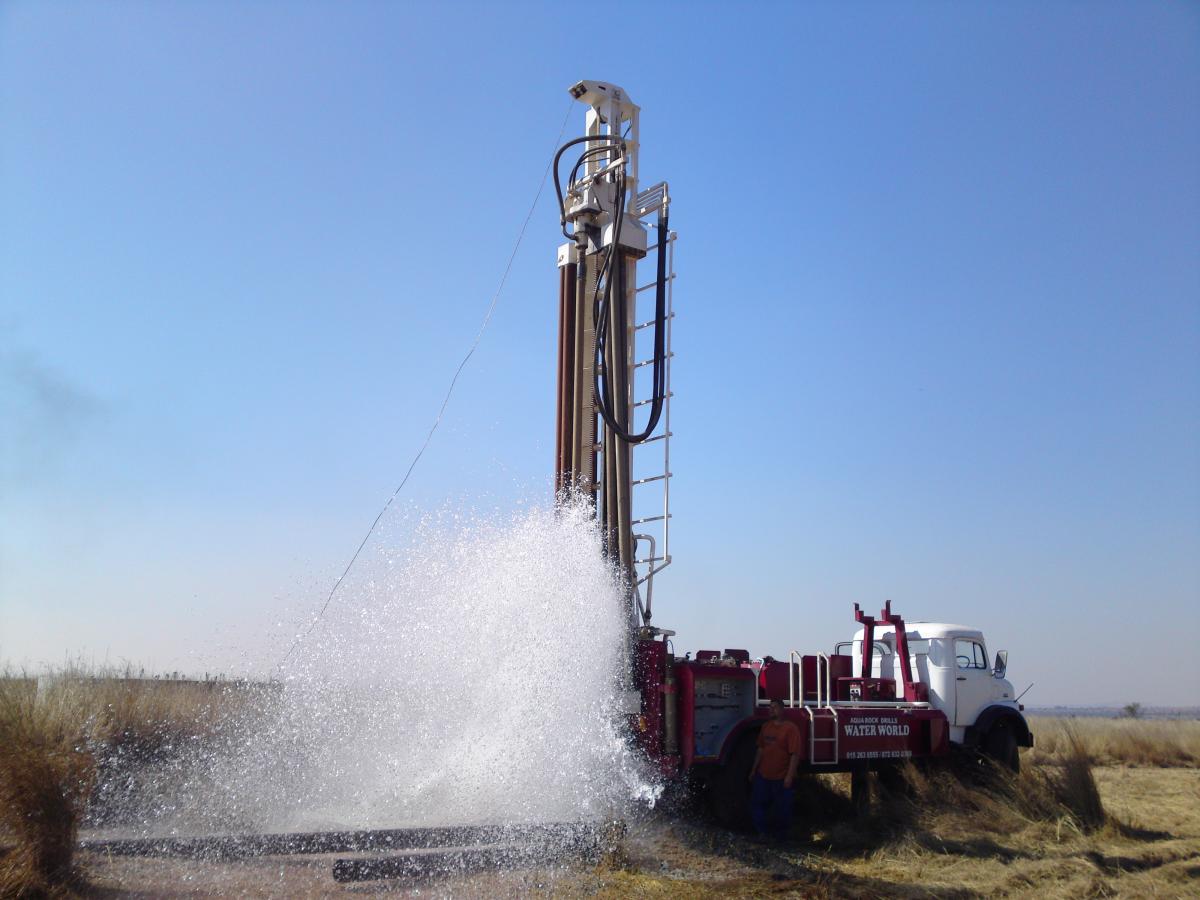
Low-yield wells refill slowly, and the poster said he began to worry about his own supply. Every private well draws from groundwater, which the U.S. Geological Survey explains is water held underground that a well pumps up from below the water table. When several houses sit on the same aquifer, heavy pumping at one can matter to the others.
The Prayer That Ended It
The poster said his irritation had been building over the amount of water going out the door. What finally pushed him, he wrote, was hearing one of the neighbors pray loudly for the wells to open back up. He called it the “last straw.”
His wife went next door and told the neighbor mom they could no longer provide water. She offered 24 more hours. The mom got upset and walked away in the middle of the conversation.
Other neighbors on the street turned the family down too, the poster said, largely over the family’s roosters.
He wrote that the family had “clearly brought this on themselves with heavy irresponsible water use,” and that the reaction from others on the street made the couple feel better about the decision.
Who Is Responsible for a Private Well
The dispute lands in a gap many rural homeowners only learn about when something breaks. The Environmental Protection Agency says it does not regulate private wells, and that owners are responsible for the safety and upkeep of their own water supply.
The Centers for Disease Control and Prevention likewise tells private well owners that testing, maintenance and repairs fall to them, not to a utility. There is no water company to call when a household well runs dry.
Houses that rely on wells usually rely on septic systems too, as this neighborhood does. The EPA’s septic program notes that how much water a household uses affects how those systems hold up, one more reason neighbors on wells tend to watch water closely.
Where It Stands
As of the post, the neighbors’ wells were still not fixed and the 24-hour window had been offered. TwistedSifter sided with the couple, and it closed its retelling with a simple line: “Goodwill is not an endless well.”
Earlier on this site, a gardener described a similar slide when she let a neighbor use her hose after his well ran low, only to watch him start watering his whole lawn. Another homeowner told of a neighbor who blamed his irrigation for the water table, then drilled a well six feet from the line.
This article was produced with AI assistance and edited for accuracy against the sources linked above.
Image: Unknown author – CC BY 4.0/Wikimedia Commons