Las Vegas-Area HOAs Have Until Dec. 31 to Replace Decorative Grass Before Colorado River Water Is Cut Off for It on Jan. 1, 2027
Eight weeks remain on a hard lawn deadline in Southern Nevada. Under a 2021 Nevada law, the Southern Nevada Water Authority had to set deadlines for removing decorative grass “before December 31, 2026,” and starting Jan. 1, 2027, Colorado River water can no longer be used to irrigate it. Homeowners association common areas across the Las Vegas Valley are squarely inside the rule, while the grass in a family’s own front and back yard is not.
For HOA boards, that means the strips of lawn along entrances, medians and walkways that nobody plays on are running out of time.
What the Nevada Law Actually Says
The provision sits in Section 39 of the Conservation of Colorado River Water Act, passed by the Legislature in 2021 as Assembly Bill 356 and later amended. It states that, beginning Jan. 1, 2027, Colorado River water distributed by the Southern Nevada Water Authority or one of its member agencies “may not be used to irrigate nonfunctional turf.” The ban covers parcels “not used exclusively as a single-family residence.”
The same section ordered the water authority’s board to set deadlines for existing customers to remove that turf before Dec. 31, 2026, and to phase the removal by type of water user. The general manager can approve an extension or a waiver.
The Southern Nevada Water Authority’s own explanation spells out the HOA piece directly. The law covers “turf managed by a homeowner association that does not provide a recreational benefit to the community or that otherwise does not qualify as functional turf, regardless of property zoning.” It also covers maintenance and common areas on property not zoned only for single-family homes.
Which Grass Counts as Decorative
Functional turf is grass people use: a park lawn, a sports field, a play area. Nonfunctional turf is the ornamental kind. The Nevada Real Estate Division’s guidance for associations gives streetscape turf along public or private streets and HOA landscape areas with no recreational benefit as the plain examples.
The division’s advice to boards is practical. It tells associations to inventory every patch of grass they manage, sort out which areas are nonfunctional, get cost estimates from landscaping professionals and, if the money isn’t already set aside, update the reserve study. Nevada’s common-interest community law already requires associations to keep reserves for major repairs and replacement.
Single-family homeowners are in a different spot. The authority states plainly that the law “does not apply to grass in single family residences, such as grass in front and back yards.” Separate local rules, such as watering-day schedules and limits on new lawns, can still apply at home.
What Conversion Pays
The authority’s Water Smart Landscapes rebate currently pays business, HOA and multifamily properties $5 a square foot for the first 10,000 square feet of grass converted to desert landscaping, then $1.50 a square foot beyond that. Single-family homeowners who choose to convert get $5 a square foot for the first 10,000 square feet and $2.50 after that, limited to one property per fiscal year.
There is a $100 bonus for each qualifying new tree, up to full canopy coverage. The Las Vegas Valley Water District adds $2 a square foot for its customers, and the City of Henderson adds its own incentives.
The rules on the rebate are strict. A pre-conversion site visit has to happen before any lawn comes out, and starting early makes the project ineligible. The finished landscape needs plants that cover at least half the area at maturity and a drip system with a filter and pressure regulator. HOA and multifamily projects larger than a quarter acre need written approval from the local planning department, and a conservation easement is signed after the final inspection.
Other Western water agencies have leaned on lawns this year too, including Denver, where sprinklers have been banned since Oct. 1.
The Fight Over Trees
The push has drawn a legal challenge from people who say the shade is dying along with the grass. A lawsuit filed in January, reported by KSNV News 3, alleges that enforcement of the provision against “useless turf” has led to the deaths of more than 100,000 trees in Southern Nevada and seeks $300 million in damages. “This valley-wide turf removal is killing trees,” the complaint states. A water authority spokesperson declined to comment at the time.
In August, plaintiffs in Clark County District Court filed a 40-page motion asking the court to certify three classes, covering residential owners, HOAs and golf courses, and religious institutions, according to a second News 3 report. They argue the authority is acting beyond its power and want the court to treat the dispute “as a valley-wide class action” before the Dec. 31 deadline arrives. They are not seeking individual money damages in that motion.
For now, the deadline in the statute stands. Any change would have to come from the court or from a waiver granted by the authority’s general manager.
What Residents Can Check Now
Homeowners who live in an HOA can ask their board whether the community’s turf inventory is finished and which areas are slated for conversion. The authority’s conservation staff take questions about business, HOA and multifamily waivers at 702-862-3740, and single-family waiver questions at 702-862-3760.
Trees deserve a close look during any conversion, since the lawsuit’s central complaint is that trees lose water when lawn sprinklers are shut off. The rebate already requires a drip system in the finished landscape, and the authority pays a bonus for new trees.
HOA lawns have been a flashpoint elsewhere as well, including in Colorado, where one homeowner got a lawn violation during a drought. In Southern Nevada, whatever the courts decide, HOA common areas have until the last day of 2026 under the law as written.
Get stories like this by email. Sign up for The Parent Diaries Letter.
This article was produced with AI assistance and edited for accuracy against the sources linked above.
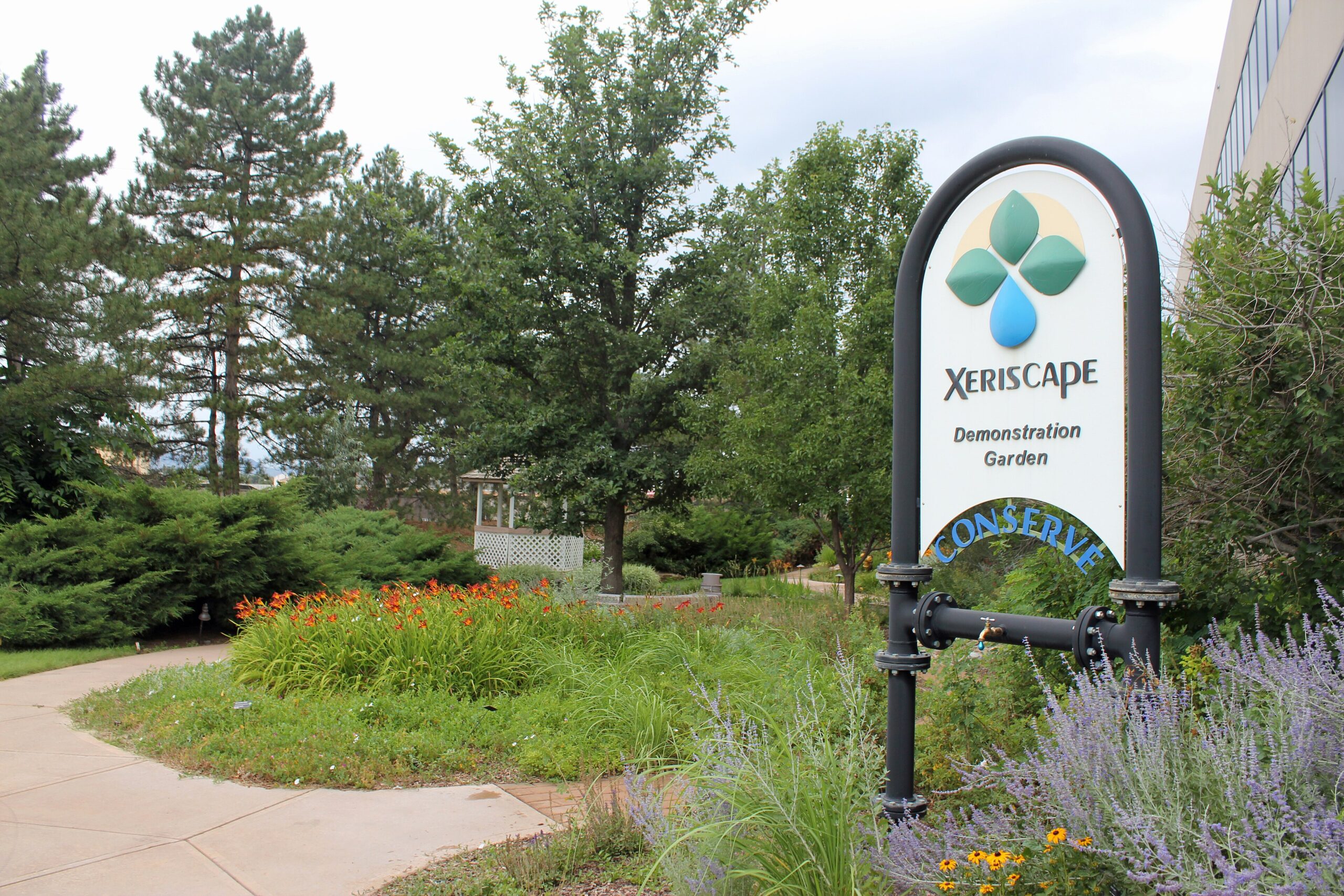
Image: Jeffrey Beall – CC BY 3.0/Wikimedia Commons