A New Neighbor Strung a Rope and a Sign Across the Trail Beside Her Rural Yard and Claimed the Path Was His
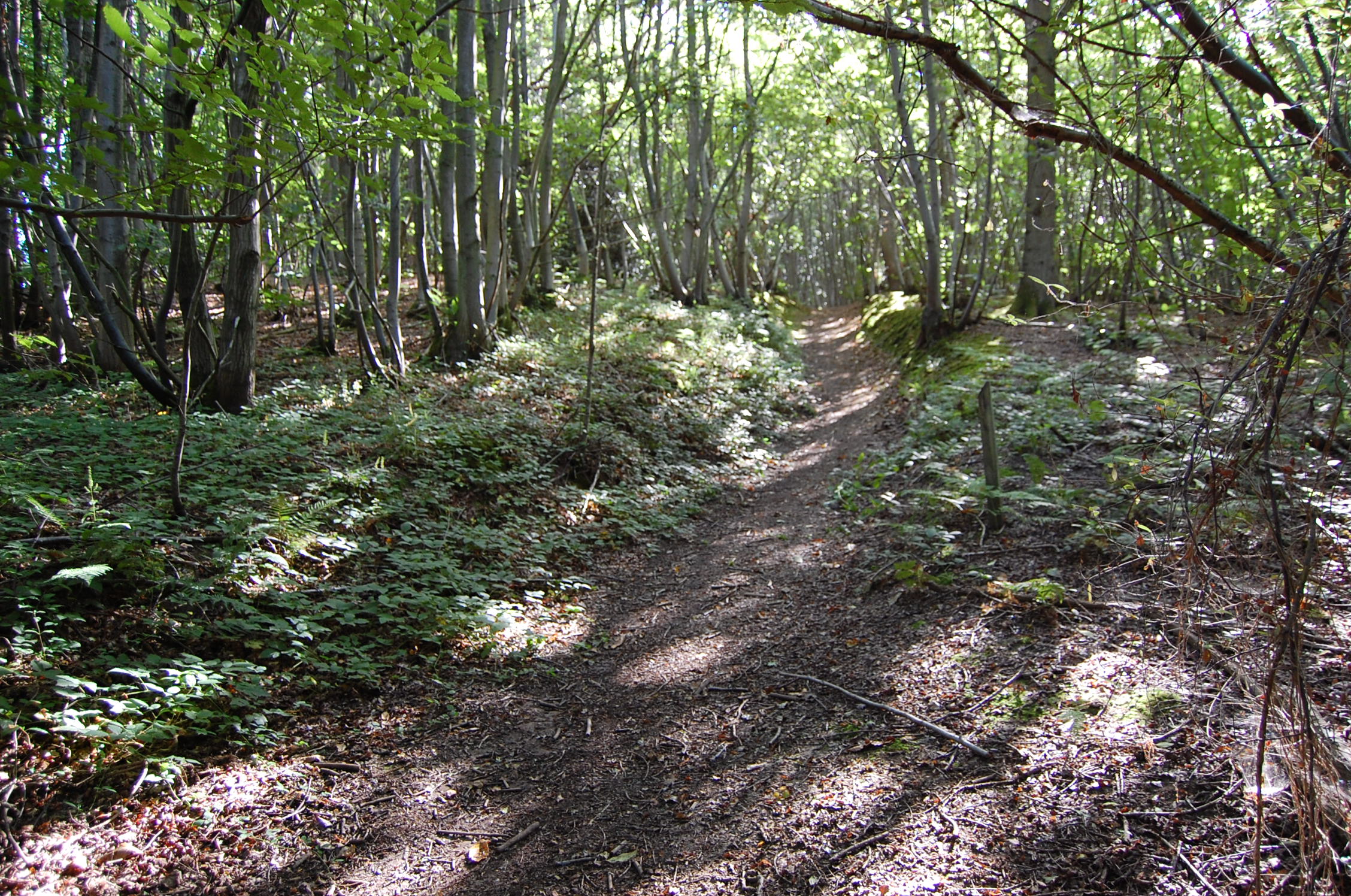
In a tiny rural town, a trail runs past one family’s property, crosses a new neighbor’s yard and ends almost at someone else’s driveway. The family likes the trail. The new neighbor, who moved in from a city area, put a rope and a sign across it and said it was his, according to a Nov. 5 report by TwistedSifter.
The woman who shared the story said he has the same trouble with her yard. “He’s got a real issue with understanding where his property ends,” she wrote.
A rope, a sign and a path into the yard
TwistedSifter contributing writer Jayne Elliott described the dispute from the homeowner’s own account. Besides roping off the trail, the neighbor blocked a path that leads into another yard. The homeowner said he seems to believe that parts of her property belong to him, and that it is “working my nerve.”
The town is small and the article does not name it or the state. It also does not describe any fence the neighbor built. The rope and the sign were his barriers, and the homeowner’s family and readers began talking about fencing their own land instead.
Trees, toys and an angry phone call
The trail was not the first flashpoint. The homeowner said the neighbor once called her family in a rage about trees that fell during another neighbor’s tree cutting. Those trees landed on her yard, not his.
She also said her family keeps returning his kids’ toys and soccer balls when they end up on her property. She was weighing whether to go to the town council, the article said, and wondered whether that would be going too far.
What a survey can settle
Readers who weighed in mostly gave one piece of advice: get a survey and bring in the town. The article does not report that a surveyor or town official has been involved yet.
A professional boundary survey is the tool built for exactly this kind of question. The Kansas Society of Land Surveyors explains that a surveyor reviews a property’s description, gives a professional opinion on where the records and the evidence on the ground place the boundaries, flags encroachments, sets marked monuments at the property corners and provides a signed and sealed plat. The surveyor can also serve as an expert witness if the dispute goes further. The group warns owners never to move or replace a survey monument, and to set any fence post beside it instead.
The New York State Education Department’s Office of the Professions advises owners whose survey conflicts with a neighbor’s to make sure the survey was done for them and not a former owner, have the two surveyors talk, try to negotiate, and consult an attorney to put any agreement in writing.
Why long-used trails can carry legal weight
Trails and paths that people have used for years can raise questions of their own. Cornell Law School’s Legal Information Institute explains that a prescriptive easement is a right to use someone else’s land gained through long, open use without the owner’s permission, continuous for a period set by state law. Oregon, for example, requires 10 years.
A stronger claim, adverse possession, can transfer ownership itself, but it requires possession that is actual, open, continuous, exclusive and without permission for the statutory period. The institute notes that a typical statute runs 7 years with color of title or 20 years without it, and that California requires 5 years and New York 10. A neighbor who moved in recently, as this one did, would not meet those periods on his own, which is part of why readers urged the family to find out exactly where the lines fall.
For now, the rope and the sign are still the neighbor’s answer, and a survey is the family’s best way to find out whose trail it really is.
This article was produced with AI assistance and edited for accuracy against the sources linked above.
Image: Julian P Guffogg – CC BY-SA 2.0/Wikimedia Commons