A North Carolina Homeowner Says Her Raised Island Rental Is Worth About $250,000. The County Valued It at $324,000, Then Dismissed Her Appeal.
Linda Scarborough raised her Ocracoke Island rental house up off the ground. Then the county raised its value. When she asked Hyde County commissioners to bring the number back down, they voted to dismiss her appeal.
Scarborough believes the house is worth about $250,000. The county’s appraiser put it at $373,000, then lowered the figure to $324,000, according to the Albemarle Observer. The board said state law left it no room to do more.
The Land Didn’t Change. The House Did.
The land under the home is valued at $127,500, the same as before. The increase was all in the building, which had recently been elevated.
Elevating a house is one of the main ways coastal owners protect a home from flooding, as FEMA’s guide to retrofitting explains. On a barrier island like Ocracoke, it is a common and expensive project. In Scarborough’s case, it also came with a higher assessed value.
County appraiser Tommy Taylor first set the value at $373,000. He later lowered it to $324,000, still about $74,000 above what Scarborough says the house is worth.
Two Smaller Houses and a Shared Septic Tank
To support his figure, Taylor pointed to two 2022 sales of smaller Ocracoke houses. Scarborough’s home has double the square footage of those homes.
A neighbor, Jenny Scarborough, spoke to the board about why she thinks the value is off. She cited the property’s lack of vehicle access and its shared septic tank as factors that should pull it down.
The way the house is used came up too. Rentals on the island can be year-round or short-term, and the question was whether that should change how the county values a home like this one.
What State Law Allowed the Board to Do
County officials said their hands were tied. Tax Administrator Donnie Shumate told the board that state law bars valuing year-round and short-term rentals differently. County Manager Kris Noble said state statutes don’t allow a county to value property based on the income it brings in.
North Carolina law requires property to be appraised at its true value in money, the price a willing buyer would pay a willing seller, under G.S. 105-283. County boards that hear appeals work under G.S. 105-322, which sets out how boards of equalization and review handle owners’ complaints.
Chairman Randal Mathews said state law leaves the board no room to act. Commissioners then voted to dismiss the appeal at their meeting in Swan Quarter, the county seat.
Scarborough’s challenge was one item at a busy meeting. Commissioners also took up new state cost shifts for food assistance and approved grant applications for flood protection design at the island’s north end.
Where an Owner Can Go From Here
A county board’s decision is not always the last word. The North Carolina Department of Revenue oversees the state’s property tax system, including the Property Tax Commission, which hears appeals from county decisions. The Observer did not report whether Scarborough plans to take that step, or how much the higher value adds to her yearly tax bill.
Owners on the island can find county assessment and tax information through Hyde County.
Property tax fights after a rebuild are not unusual. In Chicago, Randy Temple’s bill doubled after he rebuilt his two-flat following a fire, and his appeal was denied, too.
For Scarborough, the gap is about $74,000 between what she thinks her raised house is worth and what the county says it is. The board heard her out, heard her neighbor, and voted to dismiss.
This article was produced with AI assistance and edited for accuracy against the sources linked above.
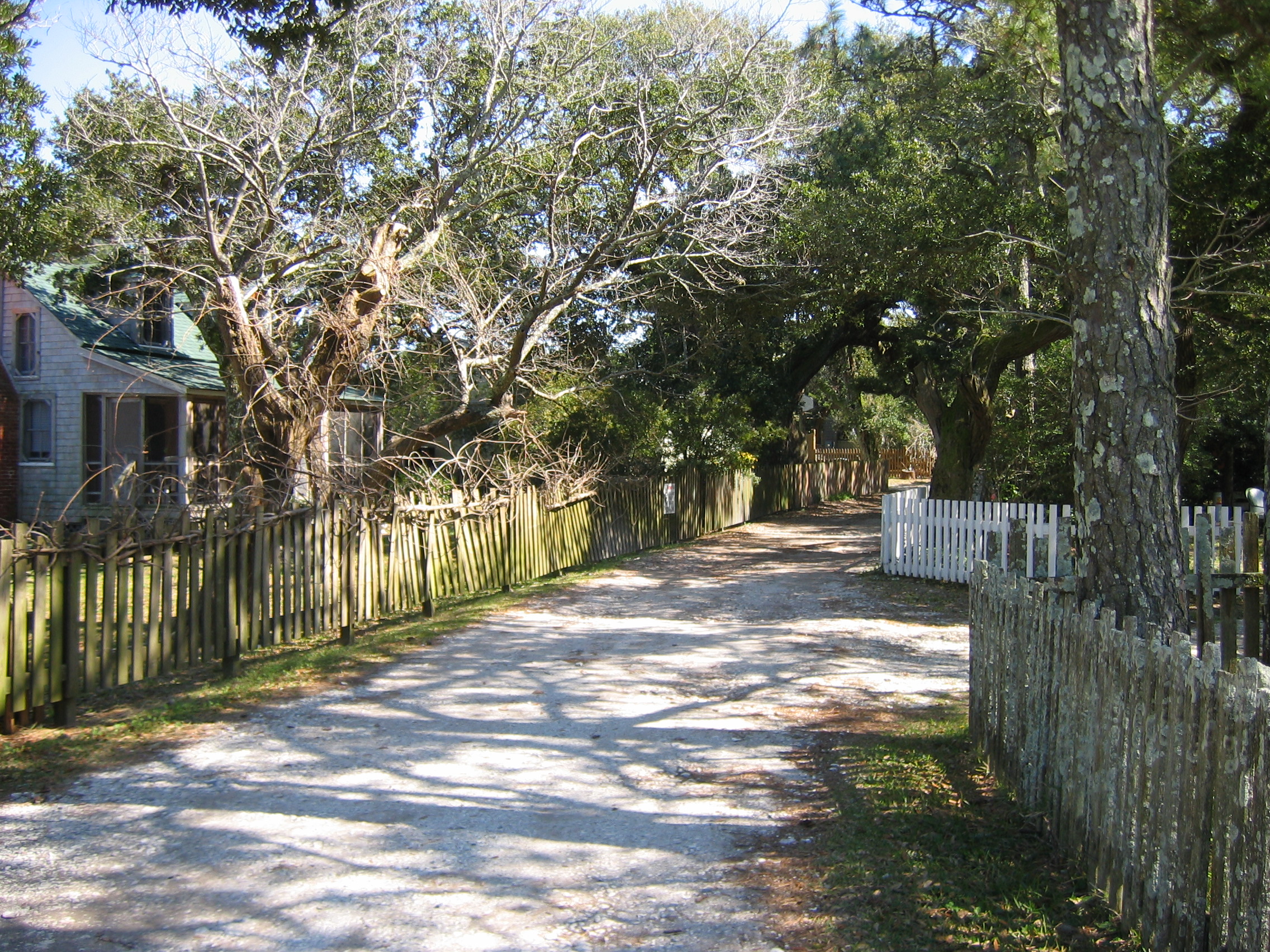
Image: Unknown author – Public domain/Wikimedia Commons