Ornamental Kale Survives Down to 5 Degrees Once Acclimated, Wisconsin Extension Says, and Its Color Deepens as Nights Fall Below 50 Degrees
Ornamental kale and cabbage keep their color long after most fall flowers have quit. Susan Mahr of the University of Wisconsin-Madison Extension writes on the Wisconsin Horticulture site that the plants can survive temperatures as low as 5 degrees Fahrenheit once they are acclimated, which is why they often last into November and December. Other extension programs describe the same pattern: the colder the weather, the better the foliage looks.
Five Degrees, Once the Plants Have Acclimated
The Wisconsin page, revised on Aug. 13, 2026 and reviewed by Allen Pyle and Bruce Spangenberg, draws a line between a plant that has been through a few cool nights and one that has not. The 5-degree figure is stated for plants that have acclimated, and the page does not give a survival temperature for plants that have not.
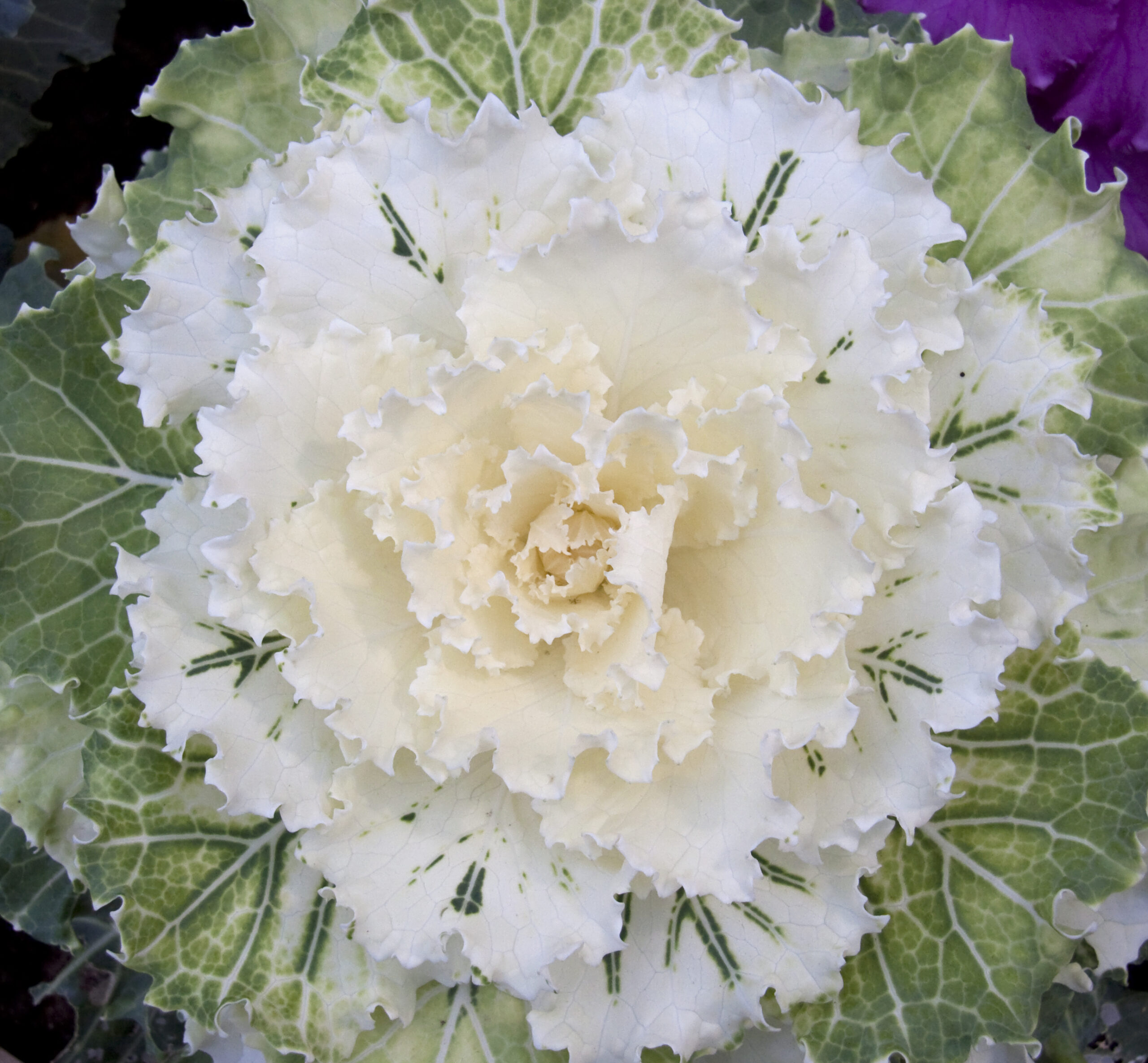
The same page describes the foliage in white, pink, purple and red, and says the plants are grown for their leaves rather than their flowers. A typical plant is about 1 foot wide and 15 inches tall, though cultivars vary. Examples listed include ‘Color Up’ at 10 inches tall and 12 inches wide, and Yokahama at 5 to 7 inches tall and 8 inches wide.
Heather Zidack of the UConn Home and Garden Education Center makes the same point in a fall-color column, noting that the colder ornamental kale and cabbage get, the more vibrant their foliage becomes. She also lists them among the plants that can outlast flowering annuals, a lower-maintenance option than covering frost-sensitive flowers on a cold night.
Why Cold Nights Bring the Color, and When to Plant
Wisconsin Horticulture says the colors become most vivid below 50 degrees. The UMass Extension Greenhouse Crops and Floriculture Program gives the timing: color develops after several days of night temperatures below 50 degrees, and it typically takes 2 to 4 weeks to become intense. The sheet, updated on June 22, 2026, says the plants hold that color until the first December snowfall in the region, unlike many flowers that fade after several frosts.
Wisconsin Horticulture adds that the pigments become more pronounced with frost and cold weather. The sheet also explains why feeding matters. UMass states that excess nitrogen during the coloring period prevents good color, and the sheet’s greenhouse fertilizer schedule drops to 50 parts per million in September.
Wisconsin Horticulture says growers should set plants out or sow seed in mid-summer, since spring-planted ones often bolt or decline in heat. Seed germinates at 70 to 75 degrees, but seedlings do best at 60 to 65 degrees or cooler, and the page recommends starting seed in a controlled greenhouse about 12 weeks before the first fall frost. Pest problems are usually minor late in the season, according to the same page.
For a home gardener buying plants already in pots, the timing question is simpler, because the 12 weeks have already been spent. The UConn column, written about extending fall color beyond mums, notes that mums bloom from late August to late October.
Choosing Large, Compact Plants and Burying the Stem
For buyers choosing plants this month, Wisconsin Horticulture advises large, compact plants that are already nearly or fully colored, because they will not grow much after planting. Mahr’s guidance is to plant in a sunny spot with moderately moist, fertile soil and to bury the stem so the lowest leaves sit at soil level, with plants kept well watered.
Spacing depends on how the plants will be used. The UMass sheet is written for greenhouse growers, and it sets 4-inch pots on 6-inch centers and 6-inch pots on 12-inch centers. A window box is a different setting, and the Backyard Garden Lover article by Kelsey McDonough, published on Yahoo Life on Nov. 4, 2026, recommends setting plants shoulder to shoulder in a box, with no bare soil between them.
Containers Freeze Harder Than Garden Beds
Barb Ryan, a Master Gardener in Lehigh and Northampton Counties, explains in a Penn State Extension article updated on Oct. 12, 2026 why a window box is a harsher home than the ground. A plant’s USDA zone rating assumes it is growing in soil, but container roots can match the winter air temperature. Her advice is to go two zones colder with containerized plants, and she notes that larger pots offer more insulation.
The site has covered the same rule for perennials spending winter in pots, and for the way unglazed terra-cotta cracks when soaked clay freezes.
Ryan also says to water thoroughly before the soil freezes, because dry soil freezes faster than moist soil. She cautions against overwatering, which can cause root rot. The Backyard Garden Lover article lists letting a box dry out before a hard freeze among the common mistakes, along with fertilizing in fall.
Edible but Bitter, and a Plan for After the Kale Fades
Wisconsin Horticulture says both types are technically edible but more bitter than edible cultivars, and that their colors turn grayish when cooked. Leaves are sometimes used as a garnish in place of parsley.
The UMass sheet instructs growers not to apply the growth regulator B-Nine if the crop is going to be marketed as an edible one. McDonough’s article connects the two points, warning that ornamentals may be treated with chemicals not meant for food and listing eating window-box kale among the mistakes to avoid.
The kale does not last forever, and the Illinois Extension blog Hort in the Home Landscape describes a way to keep the box useful. Its author cut evergreens to size and pushed the stems into the leftover soil at different angles, some vertical, some horizontal and some hanging over the edge. The post used two kinds of spruce as the base, white pine as filler and magnolia branches for a brown accent, with pinecones, ribbon or birch branches as alternatives. The arrangement was meant to last through winter and be removed in spring.
Get stories like this by email. Sign up for The Parent Diaries Letter.
This article was produced with AI assistance and edited for accuracy against the sources linked above.
Image: Tony Hisgett from Birmingham, UK – CC BY 2.0/Wikimedia Commons