Perennials Spending Winter in Pots Need to Be Hardy Two Zones Colder Than the Yard, Penn State Master Gardeners Say
A perennial that sails through winter in the ground can die in a pot on the same patio. Penn State Extension Master Gardeners say the reason is the roots: in a container, they can drop to the same temperature as the winter air, so plants meant to stay outdoors in pots should be hardy two zones colder than the yard around them.
For gardeners with pots of hostas, grasses or coneflowers still sitting on the deck, early November is the time to decide where each one spends the winter.
Why Pots Freeze Harder Than Beds
Hardiness zones describe plants growing in the ground. Barb Ryan, a Penn State Master Gardener in Lehigh and Northampton counties, explains in an October 2026 guide that a plant’s zone rating applies to the plant in the ground, while roots in a container can match the winter air temperature. That leaves them far more exposed, which is why she advises going “two zones colder” for container plants.
Illinois Extension horticulture educator Ken Johnson makes the same point in a piece on overwintering potted plants: “Most plants’ roots are far less cold-hardy than their above-ground parts.” Soil in the ground insulates them, he writes, while the small amount of growing medium in a pot gets much colder. In central Illinois, which sits in zone 5 or 6, he says perennials left outdoors in pots should be hardy to zone 3 or 4.
Option One: Bury the Pot
The simplest fix is to put the ground back around the roots. Ryan suggests burying the pot in the garden and covering it with soil or mulch. Iowa State University Extension’s Aaron Steil calls it heeling in: dig a hole, set the pot in and backfill around it as if planting. “Soil is a good insulator and will protect the plant’s roots from extreme cold,” he writes in an Iowa State answer on perennials that can’t be planted before winter.
Timing matters. Steil says to heel in plants after they go dormant but before the soil freezes, typically within a few weeks after the first frost, and to dig them back up once the extreme cold has passed and the soil has thawed, usually several weeks before the last spring frost.
Colorado State University’s PlantTalk recommends sinking the pot in a protected spot and mulching 6 to 12 inches deep with straw, leaves, hay or shredded bark, with a monthly moisture check through winter.
Option Two: An Unheated Garage or Shed
Moving pots indoors works only if indoors stays cold. Johnson says unheated garages, sheds and cool basements work well, but because many perennials need a cold dormancy, temperatures should stay between 20 and 45 degrees. Steil gives the same 20-to-45 range in an Iowa State answer on container trees and shrubs, noting that many unheated structures swing more widely and should be monitored.
Ryan’s caution is about water. Pots stored inside still need checks for soil moisture, but overwatering can rot the roots of a dormant plant.
Option Three: Group and Cover
When there’s no garden space or garage room, pots can huddle. Ryan suggests grouping them in a sheltered spot, watering them, and covering them with straw, compost, shredded leaves, bark mulch, evergreen boughs or a thermal blanket. Johnson recommends the north or east side of a building, out of strong wind and intense sun, mulched heavily. Colorado State adds a detail: put the larger pots on the outside of the cluster and smaller ones inside, surround the group with mulch or hay bales, and check moisture every two weeks.
The Pot Matters Too
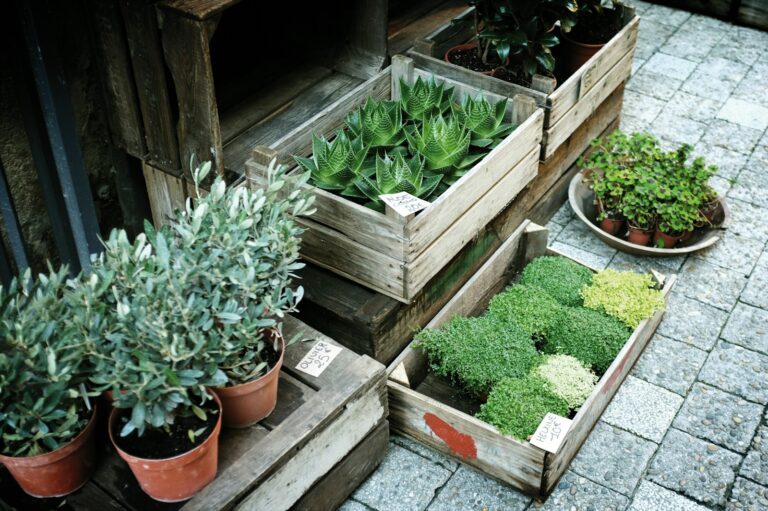
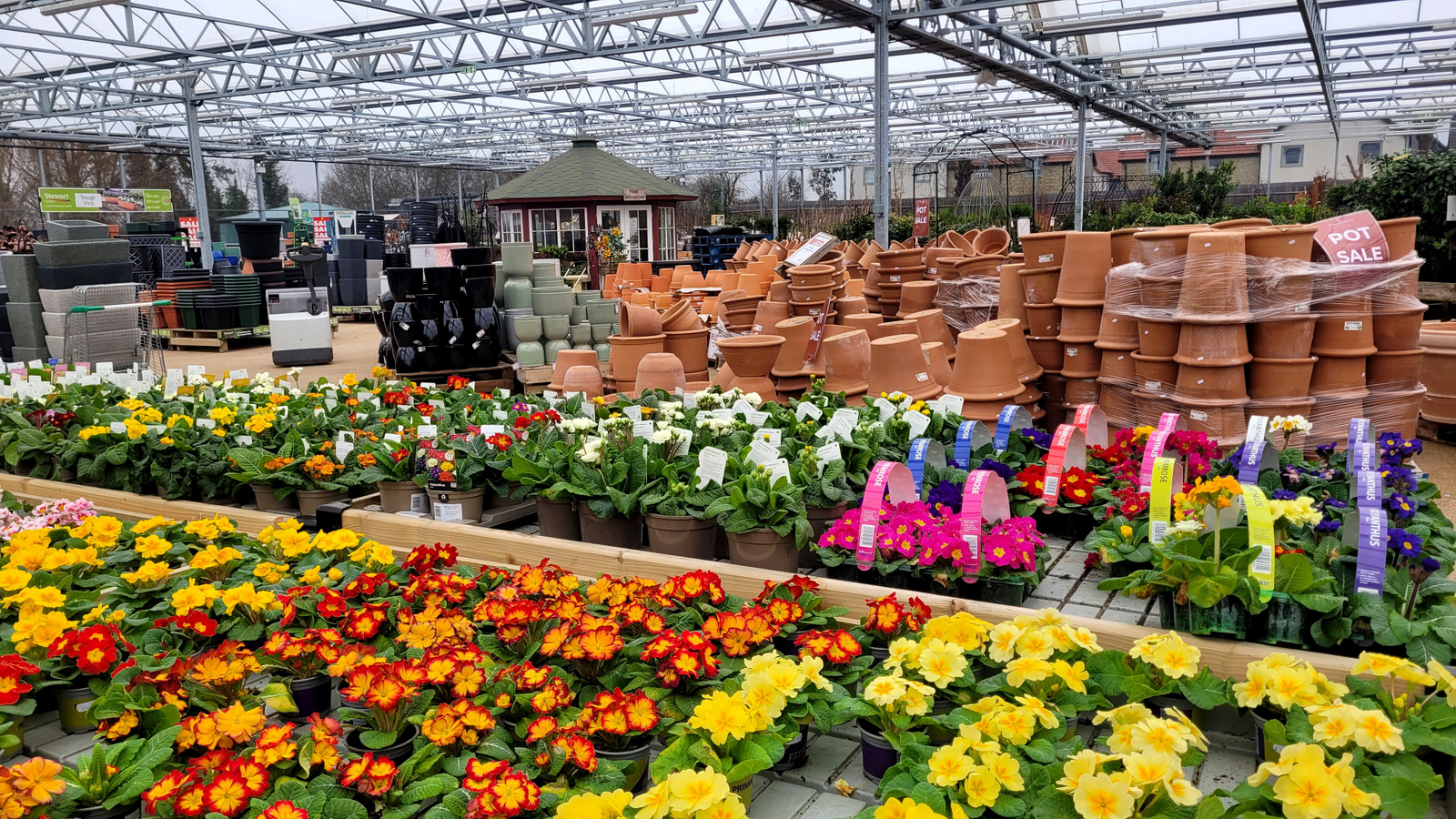
Containers themselves can be casualties. Ryan notes that large wooden or concrete planters can usually stay outside, while clay, ceramic and glazed pots may crack and should be wrapped in bubble wrap or other insulation and covered with plastic. Larger pots in general give roots more insulation.
Water ties it together. Ryan says to water thoroughly before the soil freezes because dry soil freezes faster than moist soil, and Johnson notes that moist media freezes more slowly than dry. The site has also covered why unglazed terra-cotta pots crack when soaked clay freezes. In spring, Ryan says to remove covers gradually so plants can readjust to the open air.
Get stories like this by email. Sign up for The Parent Diaries Letter.
This article was produced with AI assistance and edited for accuracy against the sources linked above.
Image: Jonathan Billinger – CC BY-SA 2.0/Wikimedia Commons