Frost Could Coat Portland-Area Gardens Early Saturday, and the Weather Service Has a Freeze Watch Out for the Willamette and Tualatin Valleys
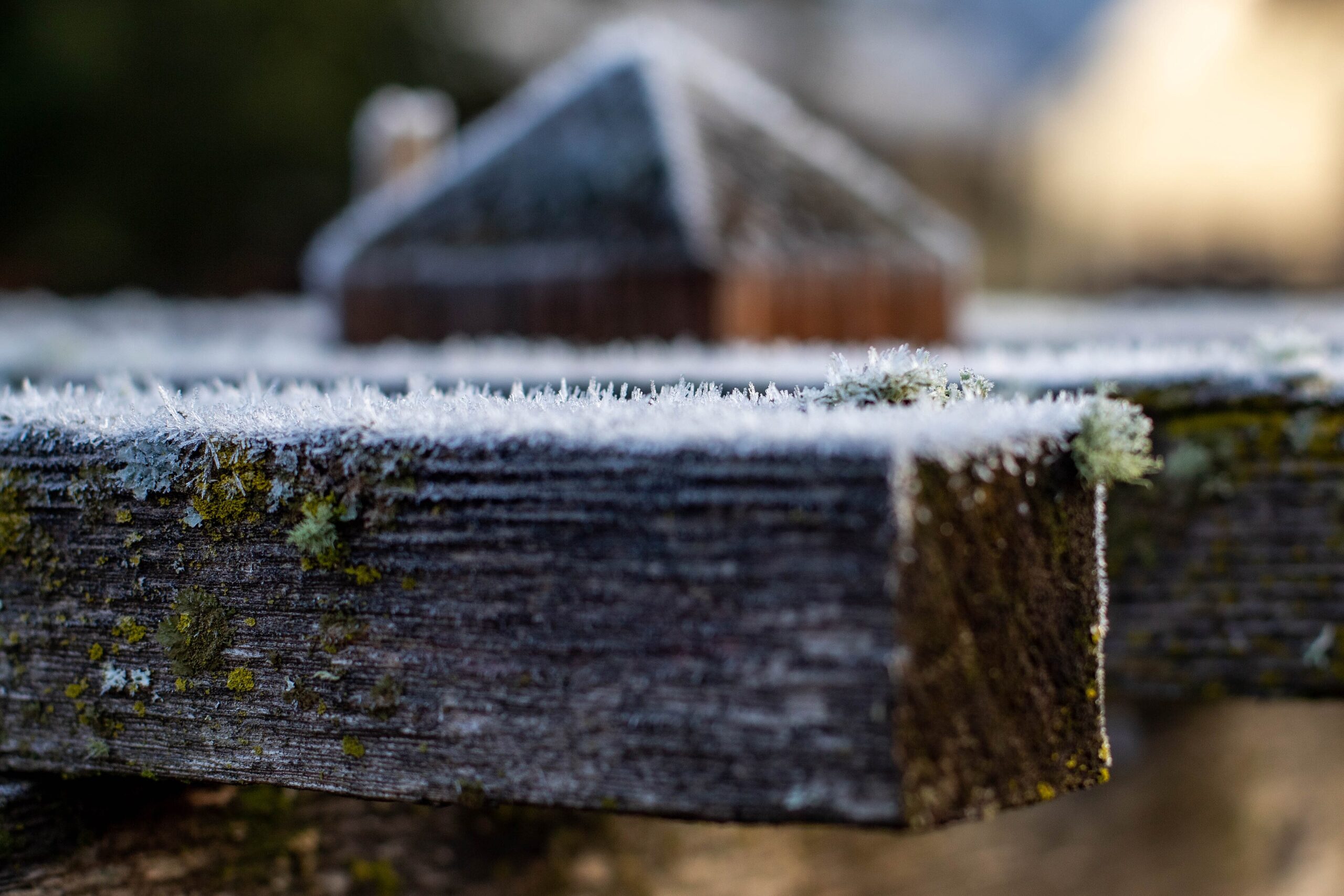
From midnight Friday until 9 a.m. Saturday, Oct. 31, the National Weather Service in Portland has a frost advisory out for the Portland metro area and a freeze watch for the Tualatin Valley and the central Willamette Valley. The office’s Thursday alert warned that frost could harm sensitive outdoor plants and that tender plants may die if they are left uncovered. It will also be the last frost or freeze alert the office issues this year.
Which counties and valleys are covered
The frost advisory, issued at 11:14 a.m. Thursday, covers a wide sweep of northwest and west-central Oregon and southwest Washington. That includes the Oregon coast, the Central Oregon Coast Range, the Lower Columbia River, the Portland metro area, the Columbia River Gorge above 500 feet, the Cascade foothills of Marion, Linn and Lane counties, the Willapa Hills, and the Cowlitz and Clark county lowlands. The office set the threshold plainly: temperatures of 36 degrees or lower will produce frost.
The freeze watch, for the same overnight window, is aimed at the places most likely to dip to 32 degrees or below. It covers the Clackamas County Cascade foothills, the East and West Central Willamette Valley, the Tualatin Valley and the Central Oregon Coast Range lowlands in Oregon, plus the North Clark County lowlands in Washington. A republished copy of the watch lists the same zones and says a freeze could kill crops and other sensitive vegetation and could damage unprotected outdoor plumbing.
Forecasters were confident in the setup. The office’s late Thursday forecast discussion, issued at 10:58 p.m., said clear skies and nearly calm winds should let temperatures fall sharply by Saturday morning. It put the chance of frost at 50 to 90 percent across most of the forecast area, and the chance of below-freezing temperatures at 50 to 85 percent in most inland valleys outside the Portland metro. The discussion said similar cold mornings are likely Sunday and Monday, though cloud cover makes Sunday less certain.
The last frost alert of 2026
The Portland office issues frost and freeze headlines only during the growing season, from April 1 through Oct. 31. In its discussion, the office said no more frost or freeze headlines will be issued after Saturday, even if the same cold returns next week.
Some areas have already dropped off the list. According to the alert, parts of the Upper Hood River Valley, the southern Willamette Valley, the south Washington Cascade foothills and the north Oregon Coast Range already had a hard freeze in October and will get no more frost or freeze headlines this season. On the coast, Tillamook County Emergency Management passed the frost advisory along to residents Thursday with the same note about the season ending Nov. 1.
For gardeners, that changes how to read the forecast from Sunday on. A cold, clear night in early November will not come with a headline. The National Weather Service’s office in Charleston, W.Va., explains on its frost and freeze information page that frost advisories are typically issued for forecast lows of 33 to 36 degrees on clear, calm nights, freeze warnings for 29 to 32 degrees, and hard-freeze conditions at 28 degrees or lower for more than an hour. Once the program ends, gardeners have to watch those numbers in the regular forecast themselves.
Bedsheets over the beds, pots on the porch
The Portland office’s own advice for Friday night is short: move sensitive potted plants indoors, and cover tender plants outdoors with lightweight cotton fabric such as bedsheets or thin blankets.
Extension horticulturists elsewhere add a few rules that apply on any frosty night. University of Georgia Extension guidance says covers should go on before sunset to hold in the soil’s warmth and come off in the morning, that plastic sheeting should never be used because it can trap heat and scorch plants, and that watering a day or two ahead helps because moist soil holds more heat than dry soil. Small plants can also be buried under dead leaves or straw overnight and uncovered once the air warms. Outdoor faucets and drip lines in the freeze-watch valleys are worth draining or covering, since the watch specifically warns about unprotected plumbing.
What survives a Willamette Valley frost
Many fall vegetables will come through Saturday morning without help. Oregon State University Extension’s guide to cold-hardy vegetables lists spinach, onions, garlic, leeks, broccoli, kale, cabbage, Brussels sprouts, arugula, fava beans and radishes as able to tolerate heavy frost below 28 degrees. Beets, carrots, lettuce, chard, cauliflower and celery handle a light frost between 28 and 32 degrees, though the tops of carrots and beets may die back while the roots survive.
OSU vegetable breeder Jim Myers summed up the season in that guide: “Winter gardening is a risky business.” The extension guide says heavy rain is a bigger problem than cold for most Oregon winter gardens, and recommends hoop tunnels with clear plastic, row covers or cloches, and mulch to warm the soil. Summer crops are another matter. The Georgia extension guidance lists tomatoes, cucumbers, beans, melons and squash as very susceptible to frost damage, and those are the kinds of sensitive plants the Portland advisory warns may die if left uncovered.
Other parts of the country reached this point sooner. Lovely Garden Roots reported on how Rapid City’s first freeze arrived more than two weeks late this month, and how Middle Tennessee gardeners won’t see another frost warning until April.
Get stories like this by email. Sign up for The Parent Diaries Letter.
This article was produced with AI assistance and edited for accuracy against the sources linked above.
Image: David Geitgey Sierralupe from Eugene, Oregon – CC BY 2.0/Wikimedia Commons