Apple and Pear Trees Can Be Pruned Starting in November, but Plums and Cherries Should Wait for Summer, Homes & Gardens Says
Pruning a plum or cherry tree in winter is among the most common home-orchard mistakes, because the fresh cut can let in silver leaf disease, according to the Royal Horticultural Society. Apples and pears are the opposite case. Homes & Gardens, in a Nov. 1 guide by Drew Swainston published on Yahoo, says their pruning window opens in November, while plums and cherries should wait for summer.
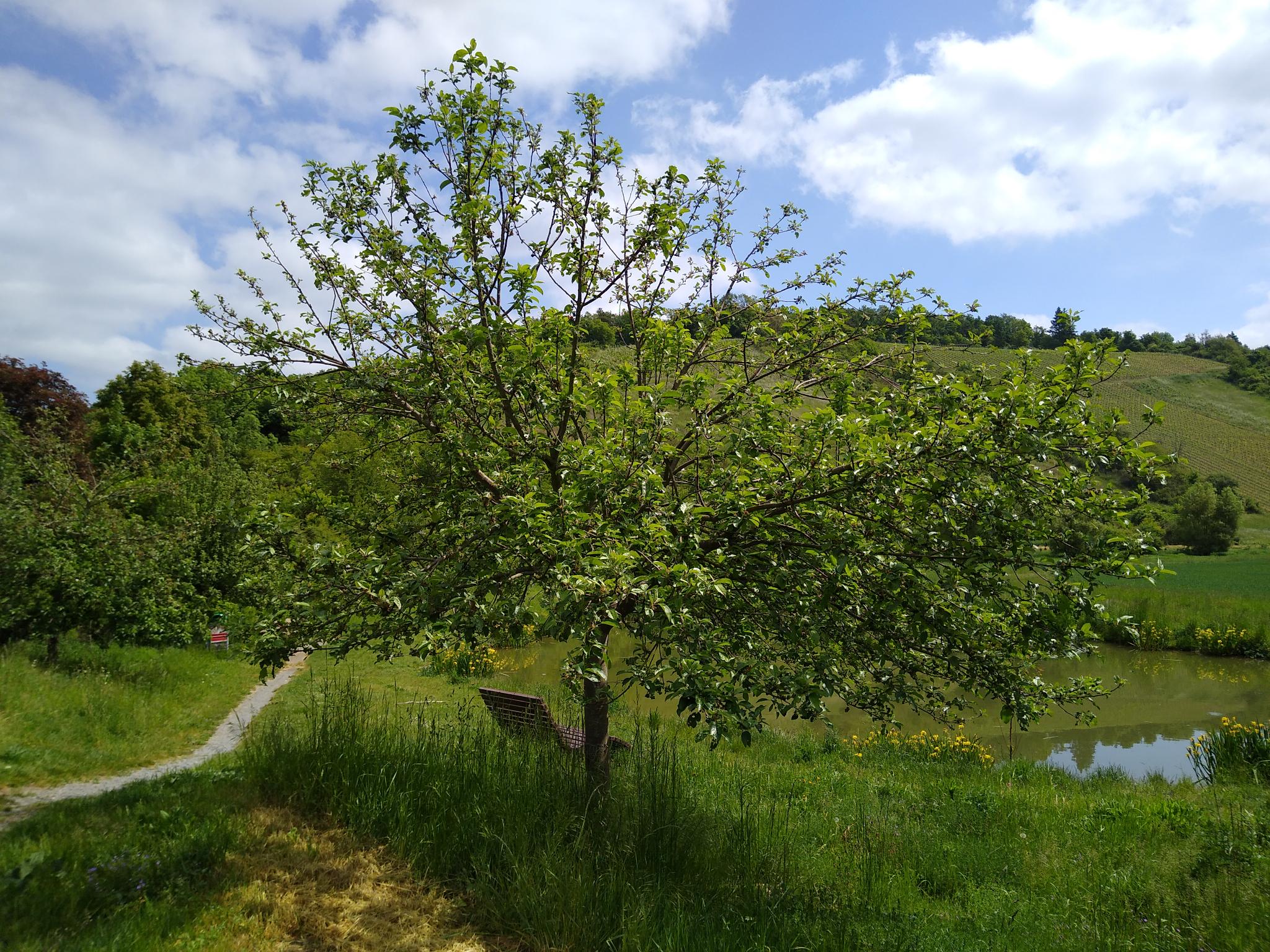
Apple and Pear Trees: Dormant Cuts Start in November
Swainston lists apples, pears and quince among the trees to prune while dormant. The first cuts go to dead, damaged or diseased wood, followed by branches that cross or grow inward. The guide adds a warning for both fruits: removing too much wood from a pear or apple tree in winter can bring a flush of watershoots the next year.
Timing within the dormant season varies with climate. A UGA Extension Fulton County post calls late winter the best time to prune dormant plants, and advises removing about one-third of an apple or pear tree’s volume each year for airflow. It recommends training apples and pears to a central leader, a Christmas-tree shape with shorter branches higher up, and cutting out cankered or burned branches, which may carry fire blight.
Weather matters as much as the calendar. The Homes & Gardens guide says to prune on dry days and to avoid cutting before a severe or deep freeze, since frost entering a fresh cut can cause dieback. Clean, sharp tools are advised, and the guide suggests checking forecasts, especially in colder northern zones.
Plums and Cherries: Summer Pruning Avoids Silver Leaf
Swainston says stone fruit, a group that also includes peaches and apricots, should not be pruned in winter and should be pruned in summer instead. The Royal Horticultural Society explains the reason. Its silver leaf page says the disease is caused by the fungus Chondrostereum purpureum, which enters through wounds, mainly pruning cuts, and affects plums, apples, apricots, almonds, cherries and related trees.
The fungus spreads on spores that are mostly released in damp autumn and winter weather and are most active from September to May, the RHS says. Its advice is to carry out routine pruning of susceptible plants in summer, when fewer spores are around and wounds heal faster.
The society’s plum pruning guide says plums are pruned in early spring or mid-summer, with spring usually best for young trees and mid-summer for established ones, and it quotes April or July as the quick-reference months. The page states directly that winter pruning of plums increases the risk of infection by silver leaf disease. For an established bush-form plum, it says to remove crossing, weak, vertical and diseased wood, with any further thinning done in July.
Regional advice differs. The UGA Fulton County post covers peaches and plums in its late-winter advice, recommending an open-center, vase-like shape because Georgia humidity makes those trees disease-prone. That sits against the RHS and Homes & Gardens guidance to leave plums and cherries for summer, so gardeners in humid or cold climates are better served checking local extension advice before cutting.
White Ash and Mountain Ash: Leaf Drop, Then Light Cuts
For white ash, the Homes & Gardens guide says to prune only after leaf drop, while the tree is dormant, to avoid emerald ash borer activity. Cuts should be minimal, and no more than 25 percent of the canopy should be removed in one year.
Oregon State University Extension backs the dormant-season timing. In an Ask Extension answer, assistant professor Dan Stark writes that pruning is generally best in late fall and early spring, when the tree is dormant and insects are not flying, and he suggests roughly March or after September. He adds that ash wood, especially firewood, should not be moved to other counties because that is one of the main ways the beetle spreads.
Mountain ash, also called rowan, is a separate case. Swainston notes it is not a true ash but belongs to the genus Sorbus, and says it can be pruned during dormancy from November to February.
Northern Red Oak: Why Winter Is the Safe Season
Northern red oak grows fast, and the Homes & Gardens guide says it should be assessed every three to five years. Pruning during dormancy, typically starting in mid-November, lowers the risk of oak wilt, and red oaks are the most susceptible, according to the guide.
The Minnesota Department of Natural Resources makes the same point in a news release on pruning oaks. It says pruning or cutting oaks is safest from late fall through February and that wounding or pruning from April through July should be avoided, when the risk is highest. Oak wilt is an invasive fungal disease that is fatal to all Minnesota oak species, and sap-feeding beetles spread its spores to fresh wounds in warm weather, the agency says.
Forest health consultant Brian Schwingle said in the release that treating oak wilt is very expensive, while prevention is often effective and much less costly.
American Elm and Sycamore: Deadwood First
American elm can take light pruning in November, Swainston writes, because the beetles that spread Dutch elm disease are inactive from late fall to early spring. Dead wood should be removed promptly, since it attracts those beetles.
American sycamore gets a wider dormant window, from late fall to early spring, for removing dead, diseased or damaged branches. Large trees may need professional climbers, while a pole pruner can handle smaller trees or lower limbs, the guide says.
Taken together, the sources describe a single pattern. Fruit trees and shade trees do not share one pruning month, and the Royal Horticultural Society’s silver leaf warning is the clearest reason plums and cherries wait while apples, pears and several shade trees go ahead in the dormant season.
Get stories like this by email. Sign up for The Parent Diaries Letter.
This article was produced with AI assistance and edited for accuracy against the sources linked above.
Image: Tiptikz – CC0/Wikimedia Commons