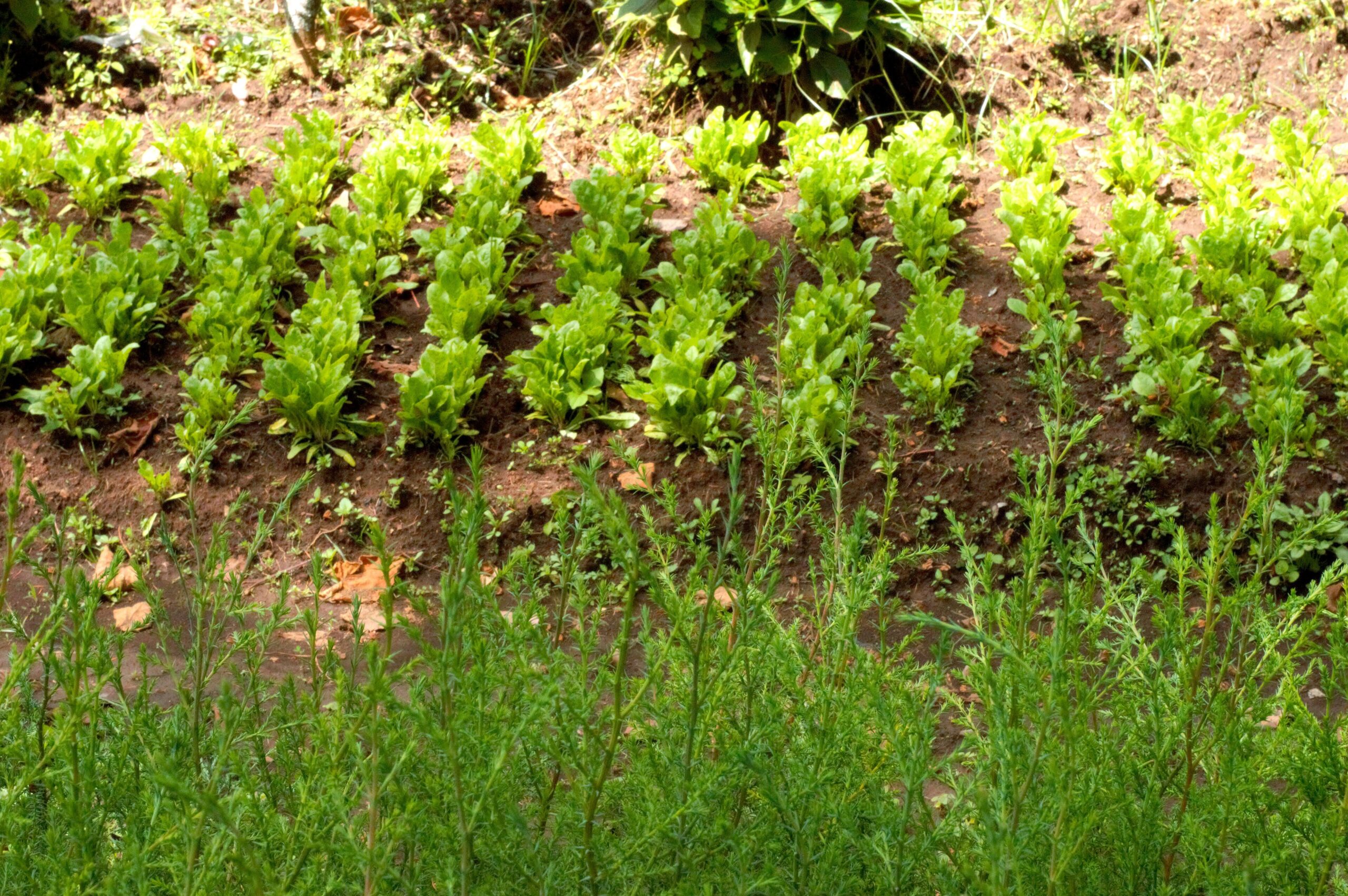
Young Spinach Can Handle 15 to 20 Degrees, and Penn State Master Gardeners Say a Plastic Cover Can Stretch the Harvest Into Late Fall
Frost on the lettuce doesn’t have to mean the end of the salad bed. Young spinach seedlings can tolerate temperatures as low as 15 to 20 degrees, according to Penn State Extension, and a plastic cover over the bed can keep the growing area warm enough to harvest into late fall or, in a lucky year, early winter.
That makes spinach one of the last crops worth protecting as November nights get colder.
How Much Cold Spinach Can Take
Lew Palka, a Penn State Master Gardener in Butler County, writes in the extension’s guide to growing spinach that the crop’s optimum growing temperature is 50 to 60 degrees, but young seedlings can tolerate 15 to 20. For a fall crop, the guide says to plant about six to eight weeks before the average first fall frost.
Master gardeners in Virginia report even tougher plants. The Fairfax County Master Gardeners Association, trained through Virginia Cooperative Extension, describes spinach as “hardy to 15 degrees or less,” and notes that snow adds soil moisture.
What a Cover Adds
Cold tolerance keeps plants alive. A cover keeps them growing. Penn State’s guide says plastic covers can keep the growing area warm enough to extend harvest into late fall or, “with luck, early winter.”
Floating row cover is the lighter option. Petra Page-Mann, writing for the Cornell Small Farms Program, describes the finely spun polyester fabric as creating “a mild greenhouse environment” in fall that helps plants grow and regrow faster while protecting them from frost. Draped over hoops so it sits above the leaves, she writes, it gives “a surprising degree of frost protection.” Spring-steel hoops need only about an inch in the soil to hold the fabric up.
Ohio State University Extension in Greene County has taught the same approach in its fall gardening series, covering fall planting under row covers to keep crops going after frost kills warm-season vegetables, and building a porch-size cover so leafy greens can last through winter.
Picking Leaves So Plants Keep Producing
How spinach is harvested matters as much as how it is covered. Penn State recommends snipping outer leaves at the base so the plant keeps producing.
Page-Mann gives the same advice for fall greens generally: take outer leaves rather than whole plants so the plant keeps photosynthesizing. Growth slows to a stop when days drop below about 10 hours of light, a stretch she calls the Persephone Period, which at her farm runs from mid-November to mid-February. During that time, the important thing is to leave the growing point intact so the plant can regrow in spring.
A Fall Bed Can Become a Spring Crop
Spinach that makes it through winter often pays off again. Cornell’s Page-Mann lists spinach among the cold-hardy greens likely to overwinter for spring harvests, and notes that cold-hardy plants less than two-thirds mature when short days begin are the most likely to survive.
UMass Extension’s vegetable program tested the idea in a low-tunnel variety trial. Spinach seeded Sept. 9 and transplanted Oct. 11 went under a row cover on Nov. 2, around the first frost, with greenhouse plastic added on Dec. 13. Winter survival averaged 97.3% across varieties. The covers came off March 21, and the first cut five days later yielded about 1.5 to 2 pounds per 10 feet of row. The authors noted one hazard: wind burned leaf tips after uncovering, so they suggest removing the two layers in stages.
Fairfax’s master gardeners say a fall-planted bed can be harvested from late February or early March through May, well ahead of a March planting that isn’t ready until April. They recommend Bloomsdale Long Standing and Noble Giant, and say plants should have two to six leaves by Thanksgiving to winter well.
What to Do This Week
For gardeners with spinach still in the ground, the steps are simple. Keep harvesting outer leaves while the plants are growing. Put hoops and a row cover or plastic over the bed before the hardest cold arrives, following the UMass trial’s pattern of row cover first and plastic later in the season. Leave the center of each plant alone.
Then, once the days get short and growth stalls, let the bed rest. With a little luck and some cover, the same plants that gave a few late salads this fall can be producing again by early spring.
Get stories like this by email. Sign up for The Parent Diaries Letter.
This article was produced with AI assistance and edited for accuracy against the sources linked above.
Image: Cut angles – CC BY-SA 4.0/Wikimedia Commons